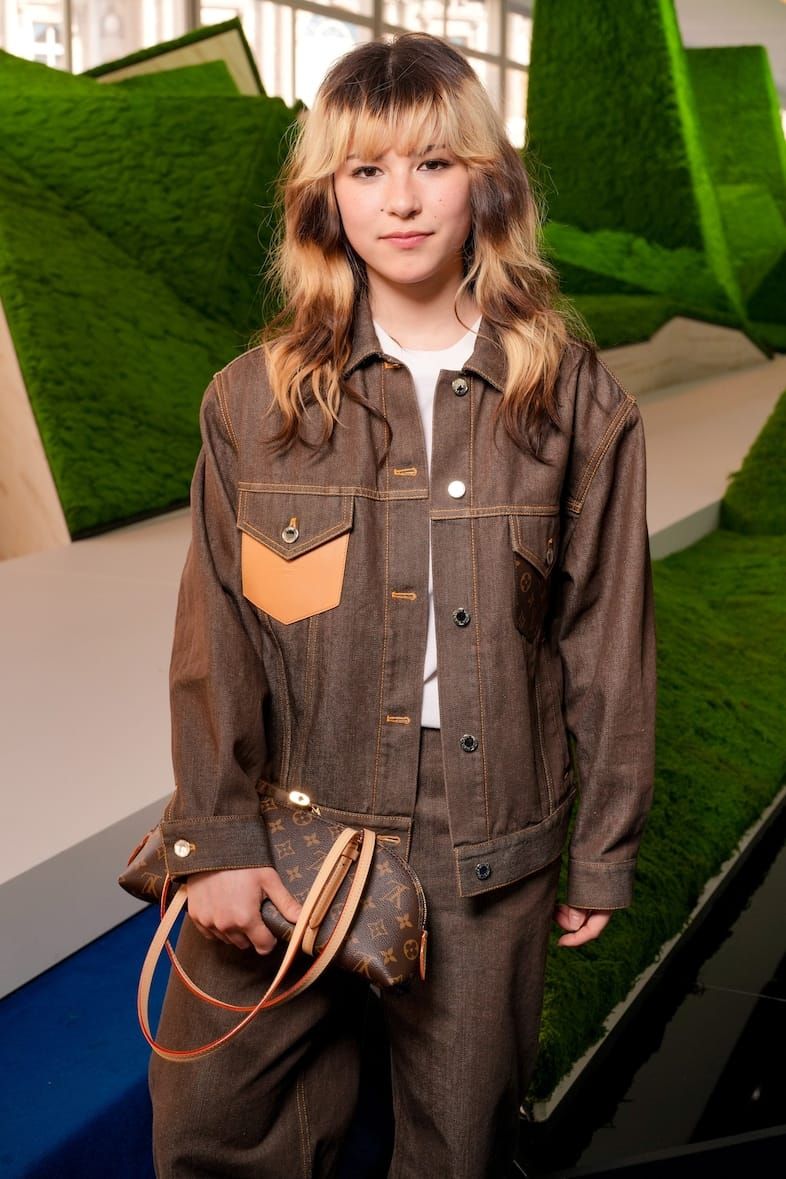
Alysa Liu sat front row at Louis Vuitton's Fall/Winter 2026 show during Paris Fashion Week with bleached halo hair and the kind of relaxed confidence that only comes from having already won an Olympic gold medal three weeks earlier. The 20-year-old figure skater, who charmed audiences at Milano Cortina skating to PinkPantheress's "Stateside," made her Fashion Week debut wearing Nicolas Ghesquière's designs alongside the usual constellation of actresses, musicians, and influencers. It wasn't a surprise appearance. It was a strategic deployment.
Louis Vuitton didn't book Liu because figure skating suddenly matters to fashion. They booked her because Olympic athletes have become luxury's most efficient celebrity acquisition. They deliver youth credibility, global recognition, and cultural momentum at a fraction of what it costs to secure an A-list actor or musician. Liu's gold medal performance went viral not just for athletic excellence but for her song choice, her aesthetic, and her refusal to perform the usual Olympic solemnity. She skated like someone who understood internet culture from the inside, and luxury brands noticed.
The economics are straightforward. An Olympic gold medalist commands significantly lower appearance fees than a film star with comparable name recognition. They come with built-in narratives about discipline, achievement, and aspiration that align perfectly with luxury brand messaging. And crucially, they're available. Actors are locked into film schedules and studio contracts. Musicians tour. Athletes have defined competitive seasons followed by months of open calendar. For a brand like Louis Vuitton, which stages multiple shows per year and needs a rotating cast of faces to fill front rows and generate press coverage, Olympic athletes are ideal inventory.
Liu's Fashion Week debut follows a pattern that's been building for years but accelerated significantly post-pandemic. Luxury brands used to treat Olympic athletes as novelty bookings—a calculated risk during Games years, then forgotten. Now they're being recruited as permanent fixtures in the brand ecosystem. Eileen Gu became the face of multiple luxury campaigns before she even competed in Beijing. Simone Biles has appeared at fashion shows for years. Naomi Osaka's brand deals rival any actor's portfolio. What changed is that luxury brands stopped seeing athletes as niche and started recognizing them as a distinct celebrity tier with specific advantages: they're younger than most Hollywood talent, more culturally fluent than legacy stars, and significantly more cost-effective.
The shift also reflects a broader recalibration of what "celebrity" means in 2026. Traditional film and music stars still command premium rates, but their cultural impact is increasingly fragmented. A blockbuster film reaches a large audience once. An Olympic performance reaches a global audience in real time, generates immediate social media response, and creates a built-in story arc that brands can extend for months. Liu skating to PinkPantheress wasn't just athletic performance—it was a cultural moment that positioned her as someone who understands how aesthetics, music, and internet culture intersect. That's exactly the kind of fluency luxury brands want associated with their products.
For Liu, the Louis Vuitton appearance is a standard next move in the athlete-to-brand pipeline. Olympic success converts to commercial opportunity faster than ever, and fashion has become the most visible first step. It's lower commitment than a long-term endorsement deal, higher profile than a sponsored Instagram post, and establishes the athlete as someone who belongs in luxury spaces. The front row seat is both reward and audition. If Liu photographs well, generates press coverage, and demonstrates comfort in high-fashion contexts, she becomes a candidate for campaigns, collaborations, and ambassador roles. If not, the brand moves on to the next gold medalist.
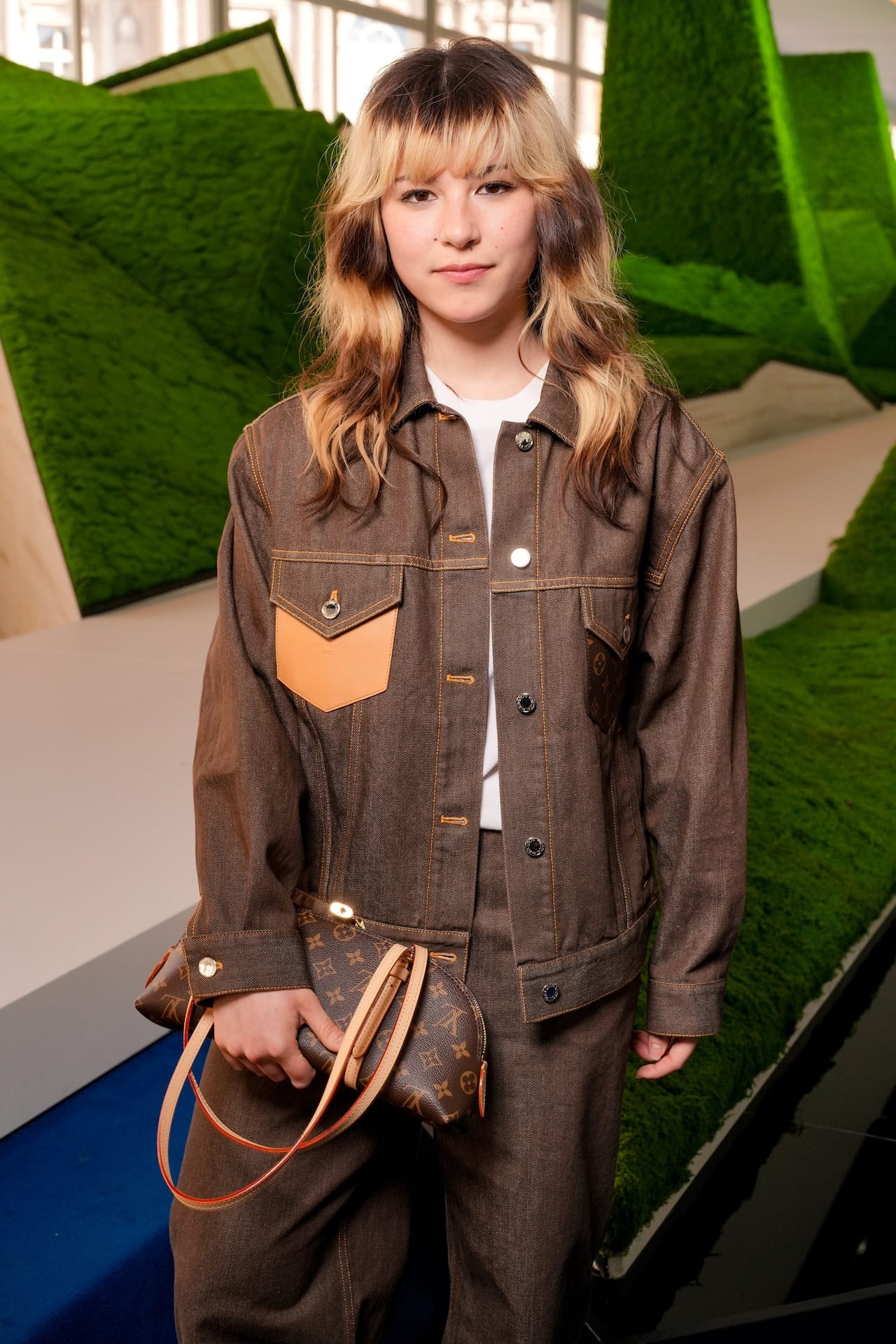
The strategy works because it's mutually beneficial in the short term. Athletes gain access to fashion industry networks and brand partnerships that extend their earning window beyond competitive careers. Luxury brands gain access to a celebrity class that's younger, cheaper, and more available than traditional Hollywood talent. The risk is that it flattens what Olympic achievement means. When a gold medal becomes primarily valuable as a credential for brand partnerships, the athletic accomplishment becomes secondary to the commercial opportunity it unlocks.
What luxury brands have figured out is that Olympic athletes aren't just cheaper than actors—they're better suited to the current media environment. They come with built-in narratives, they generate real-time cultural moments, and they understand how to perform for cameras because they've been doing it their entire competitive careers. Liu's Paris Fashion Week debut wasn't a one-off celebrity sighting. It was a signal that luxury has found its next generation of front row talent, and they're recruiting them straight from the Olympic podium.