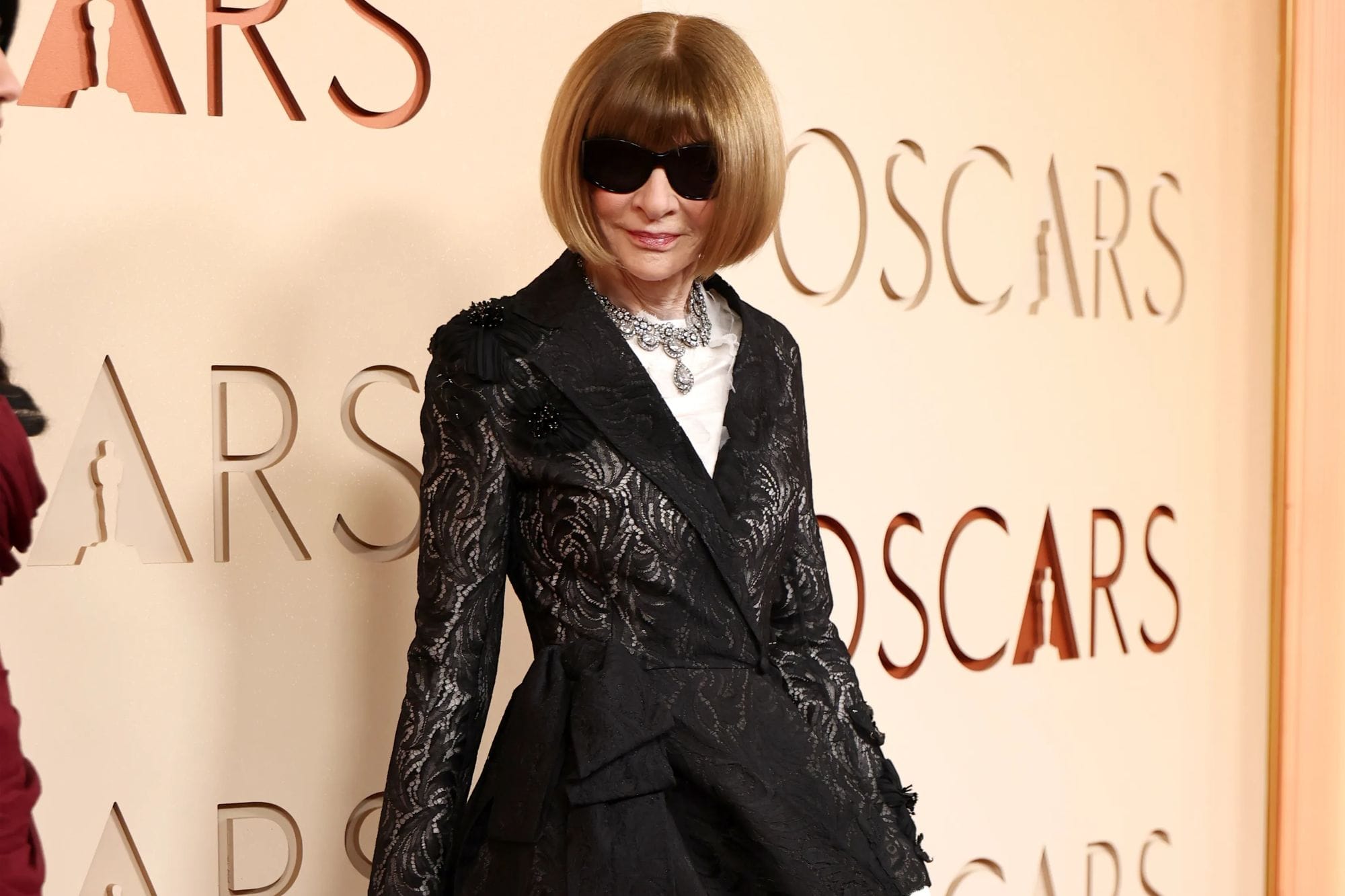
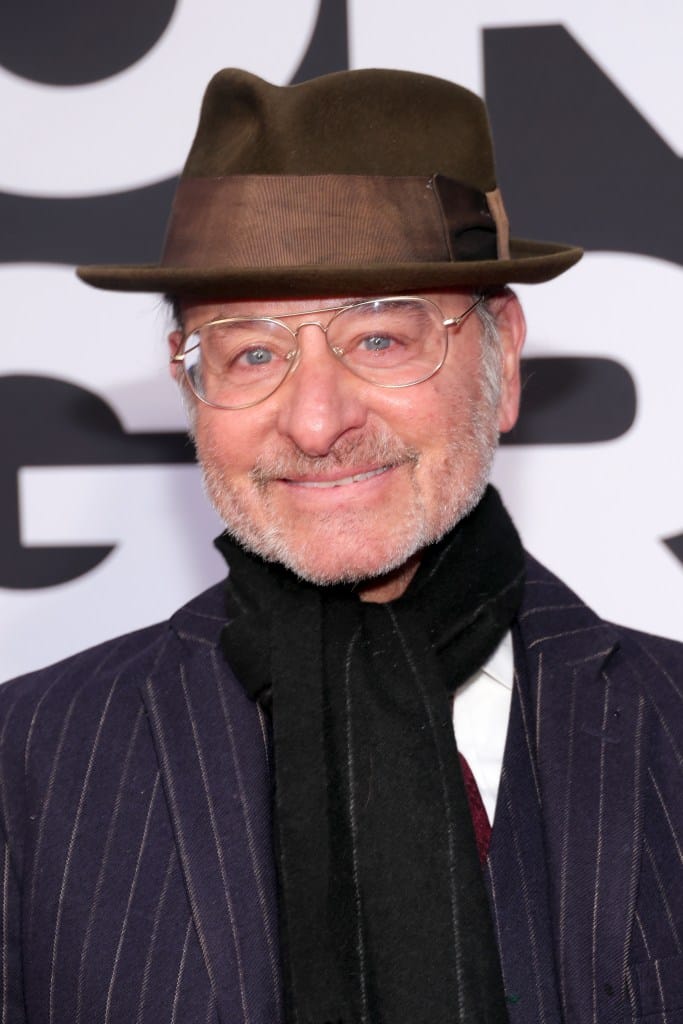
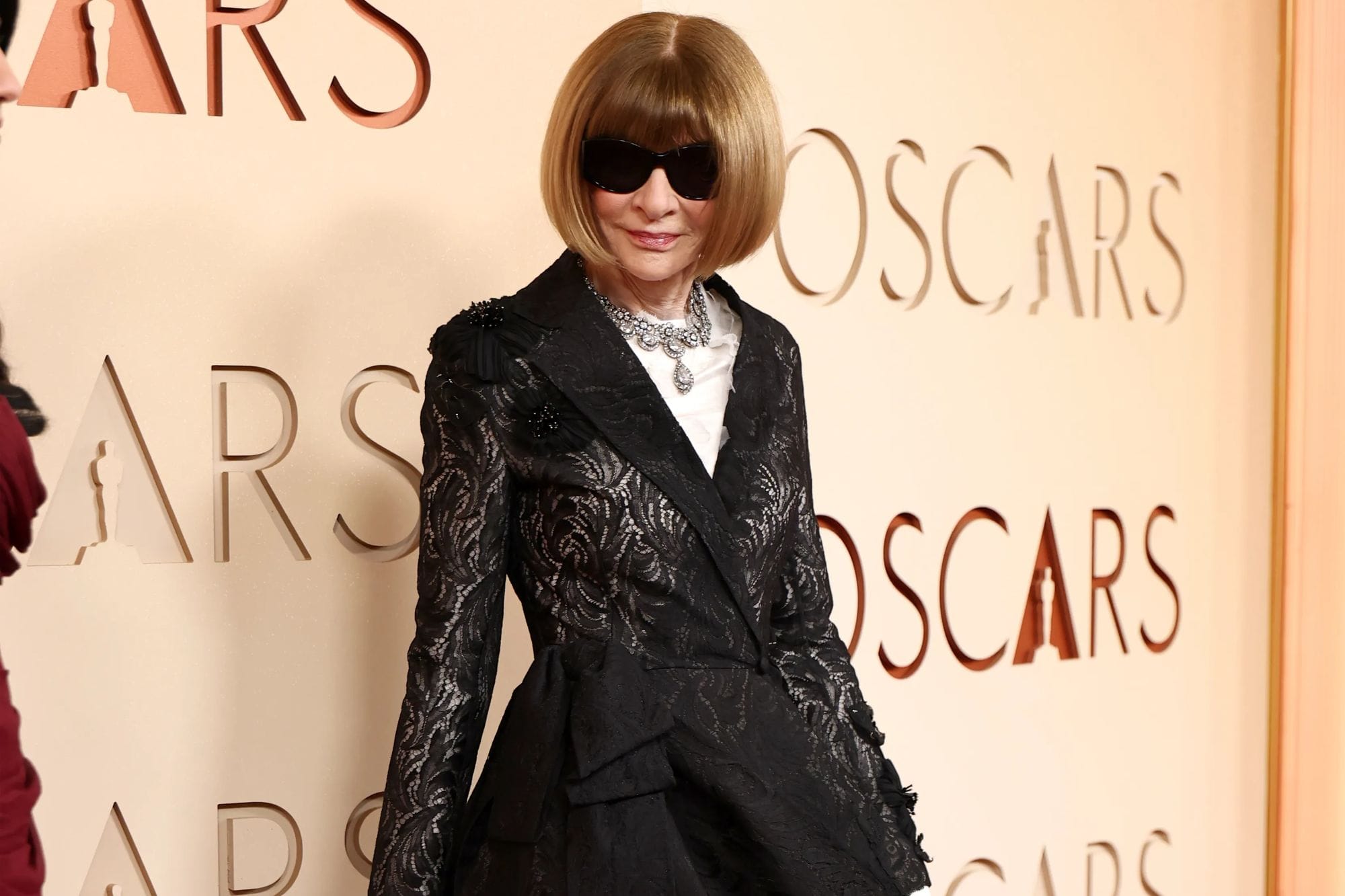
An Oscar-winning filmmaker has been recruited to direct a documentary about Vogue, according to sources who spoke to Page Six. The identity of the director has not been disclosed, but the project marks a significant shift for Anna Wintour, who has spent decades controlling Vogue's public image with the same precision she applies to its September issue.
Wintour's relationship with documentary cameras has been complicated. The September Issue in 2009 offered a rare glimpse inside the magazine's operations, but it was tightly managed — the kind of access that revealed process without compromising mystique. Since then, Vogue has largely retreated behind the controlled narratives of its own video content and carefully curated social media presence. A new documentary, especially one helmed by an Oscar winner, suggests that calculation has changed.
The timing is telling. Fashion media is in crisis. Print advertising has collapsed, digital traffic is increasingly dependent on platform algorithms, and the cultural authority that once made Vogue the final word on taste is now distributed across thousands of influencers, stylists, and niche publications. The refusal to perform that once defined editorial prestige now reads as irrelevance. A documentary is not just access — it's a strategic repositioning of Vogue as a subject worth studying, not just a publication worth reading.
Hollywood has figured out that institutional archives are content gold. Entertainment IP has become emotional infrastructure, and legacy institutions with decades of material are sitting on untapped libraries. A Vogue documentary offers not just behind-the-scenes access to the magazine's current operations, but the potential to mine decades of archival fashion imagery, celebrity shoots, and industry relationships. It's a brand extension that turns editorial history into prestige content.
The Oscar-winning director detail is also strategic. This is not a puff piece produced by Condé Nast's in-house team. An Academy Award-winning filmmaker brings credibility and distribution power — the kind of cultural weight that positions the documentary as serious cinema, not corporate propaganda. It signals that Wintour understands the difference between content and narrative journalism, and that she's willing to cede some control in exchange for the legitimacy that comes with a real filmmaker's perspective.
But there's a tension here. Documentaries work best when they reveal something the subject didn't intend to show. The September Issue succeeded because it captured Wintour's exacting standards and Grace Coddington's creative resistance in equal measure. A documentary that feels too controlled risks becoming an expensive advertorial. If Wintour has truly opened the door, the question is how much autonomy the filmmaker will actually have — and whether the final product will challenge Vogue's mythology or simply repackage it.
The project also arrives as legacy media institutions are scrambling to understand the creator economy they spent years dismissing. Fashion magazines once functioned as gatekeepers — the arbiters who decided what was worth covering and who deserved a platform. That power has eroded. TikTok stylists and Instagram fashion accounts now break trends faster than any glossy editorial team. A documentary about Vogue is a way of reasserting the magazine's historical importance while acknowledging that its future influence may depend more on storytelling than on editorial authority.
What remains unclear is whether this documentary will interrogate Vogue's role in shaping — and sometimes limiting — fashion's cultural narrative, or whether it will function as a carefully managed tribute to an institution that still believes its own mythology. The difference between those two outcomes will determine whether this project is a genuine piece of cultural documentation or just another example of a legacy brand trying to stay relevant by turning its own history into content. Either way, Anna Wintour has decided that letting cameras in is less risky than being left out of the conversation entirely.