
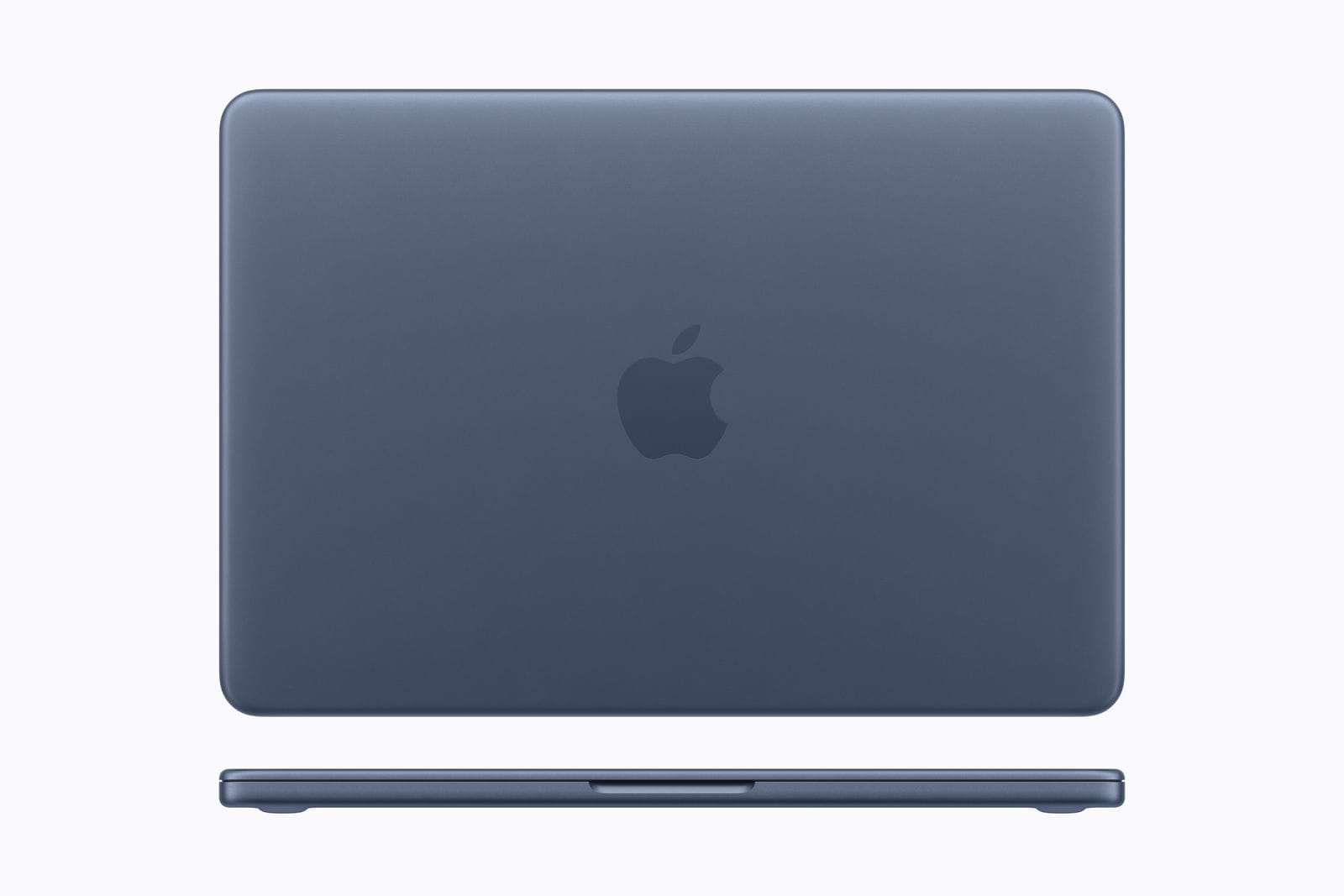
The MacBook Neo launches at $599, making it the cheapest laptop Apple has ever sold. It comes in the same vibrant colors that defined the 2021 iMac redesign—purple, blue, green, yellow, orange, pink, silver—a palette that felt like permission to stop taking Apple so seriously. That color strategy wasn't just aesthetic. It was tactical. Those iMac colors signaled joy, accessibility, a break from the aluminum austerity that had calcified into Apple's visual identity. On a $1,499 desktop, that worked. On a $599 laptop, it's a different message entirely.
Apple has spent two decades building a brand architecture where price equals value equals identity. The company doesn't compete in the budget tier because the budget tier undermines the premise. A $599 MacBook doesn't just open a new customer segment—it redefines what an Apple product signals. For years, owning a MacBook meant you valued design, performance, and status enough to pay for it. The Neo changes that equation. Now it means you wanted a laptop and Apple made one you could afford.
That shift has consequences. The MacBook Air starts at $1,299. The Pro starts at $1,999. Those prices are justified by materials, performance, and brand. But if Apple can make a functional laptop for $599, the premium models stop being about capability and start being about signaling. The Air isn't twice as good as the Neo—it's twice as expensive. That's a different value proposition, and it's one that makes the entire product line legible as a status hierarchy rather than a performance ladder.
The color palette is doing heavy lifting here. By reviving the iMac's playful aesthetic, Apple is framing the Neo as a deliberate creative choice rather than a cost-cutting compromise. It's not a cheap laptop—it's a joyful one. That's smart brand management, but it's also a tell. Luxury brands face a similar tension when they expand into accessible price points: how do you grow the customer base without diluting the brand? Apple's answer is to make the budget product visually distinct. The Neo doesn't look like a MacBook Air that costs less. It looks like a different kind of Apple product entirely.
But visual distinction only works if customers accept the premise. The iMac colors succeeded because they marked a design reset after years of sameness. On a budget laptop, they risk becoming discount signifiers—bright plastic instead of brushed aluminum, accessible instead of aspirational. Apple is betting that playfulness can coexist with premium identity. That bet depends on whether the Neo is perceived as an addition to the lineup or a dilution of it.
This isn't Apple's first attempt at affordability. The iPhone SE exists. The original iPad was positioned as a $499 gateway product. But those devices were always tethered to their premium siblings. The SE is a smaller, older iPhone. The iPad is a tablet, not a computer. The Neo is different. It's a full laptop running macOS, priced below the threshold where Apple has historically drawn the line. It's not a compromise product—it's a category redefinition.
The education market is the obvious target. Apple dominated schools in the 1990s, lost ground to Chromebooks in the 2010s, and has been trying to reclaim that territory ever since. A $599 MacBook makes Apple competitive in institutional purchasing again. School districts that couldn't justify $1,299 per student can now equip entire classrooms with Apple hardware. That's not just revenue—it's ecosystem capture. Students who grow up on macOS are more likely to buy iPhones, subscribe to Apple services, and stay in the Apple universe as adults. The Neo isn't a budget play. It's a long-term retention strategy.
But the education market comes with its own brand implications. Chromebooks are functional, ubiquitous, and forgettable. They're tools, not status objects. If the Neo becomes the laptop students are issued rather than the laptop they aspire to own, it risks being categorized the same way. Apple has always positioned its products as objects of desire, not institutional necessity. A $599 MacBook in every classroom could shift the brand perception from aspirational to utilitarian. That's a trade-off Apple has never had to make before.
The risk is that it works too well. If the Neo sells, it proves that Apple can make a competitive laptop at a fraction of the cost of its flagship models. That's good for revenue. It's less good for the brand mythology that justifies those flagship prices. Apple has always positioned itself as the company that refuses to compete on price because it competes on value. A $599 MacBook complicates that narrative. It suggests that value is negotiable, that premium is a choice rather than a necessity, that the brand can stretch further down the price ladder than it ever admitted.

The comparison to celebrity brand extensions is instructive. When a premium brand moves downmarket, the question is always whether the expansion brings new customers into the ecosystem or whether it simply cannibalizes existing demand at a lower price point. Apple is betting on the former. The Neo is positioned as a different product for a different customer—students, first-time Mac buyers, households that couldn't justify the Air. But product positioning and consumer behavior don't always align. If existing customers start choosing the Neo over the Air because it's good enough at half the price, Apple wins the sale but loses the margin. That's a dangerous precedent for a company built on premium pricing.

The Neo might be the smartest product decision Apple has made in years. It opens the Mac ecosystem to students, schools, and price-conscious buyers who were never going to spend $1,299 on a laptop. It positions Apple as a company that can compete across the market, not just at the top of it. But it also introduces a tension that Apple has spent decades avoiding: the tension between accessibility and aspiration, between growth and exclusivity, between being a brand everyone wants and a brand everyone can have. The Neo doesn't resolve that tension. It just makes it visible.
For more, see the creator economy explained and nichecasting and the end of monoculture.