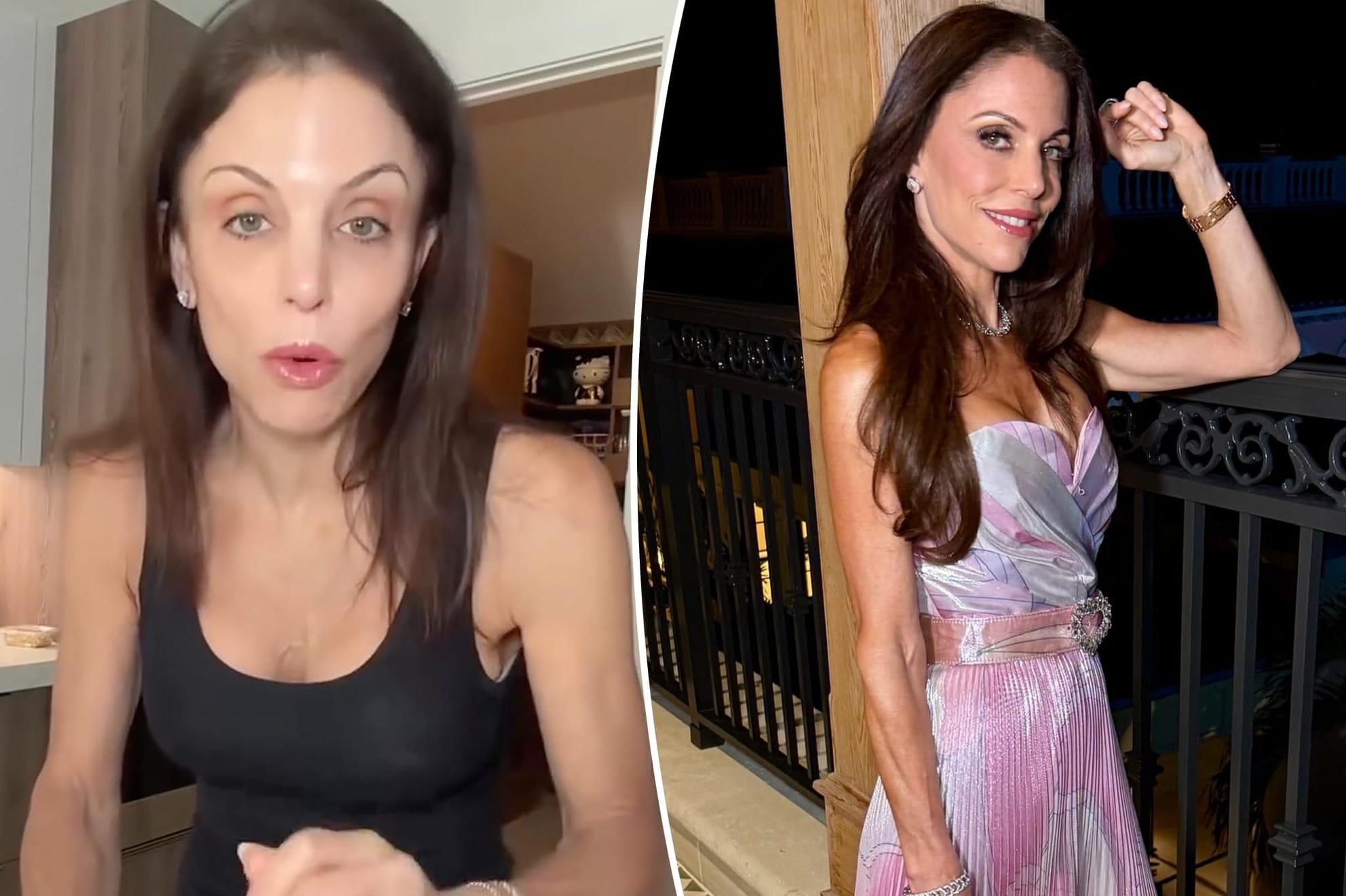
Bravo wanted all five original Real Housewives of New York City cast members for Golden Life, a nostalgia-driven reboot centered on the franchise's legacy stars. According to Page Six, four said yes: Dorinda Medley, Sonja Morgan, Luann de Lesseps, and Ramona Singer. Bethenny Frankel said no.
The economics of who accepted and who declined tell the real story. Frankel walked away from RHONY in 2019 with a Skinnygirl empire, a production company, and a public platform built on criticizing the reality TV industrial complex. She spent five years building a post-Bravo identity that explicitly rejects the compensation structures and creative constraints that made her famous. She's positioned herself as an advocate for reality TV participants' rights, publicly calling out the network's pay scales and the psychological toll of franchise participation. Returning to a reboot built entirely on nostalgia would collapse that narrative. She can't be both the person who escaped the machine and the person who walked back into it for a paycheck.
Medley, Morgan, de Lesseps, and Singer remain tethered to Bravo in ways Frankel hasn't been since her exit. They've done the spinoffs, the guest appearances, the Peacock specials. Their public identities are still primarily defined by their time on RHONY. Frankel's isn't. She built a business empire that exists independently of Bravo's infrastructure, which gives her leverage the others don't have. She doesn't need the visibility or the paycheck. The rest of the cast can't make that calculation the same way, and Bravo knows it.
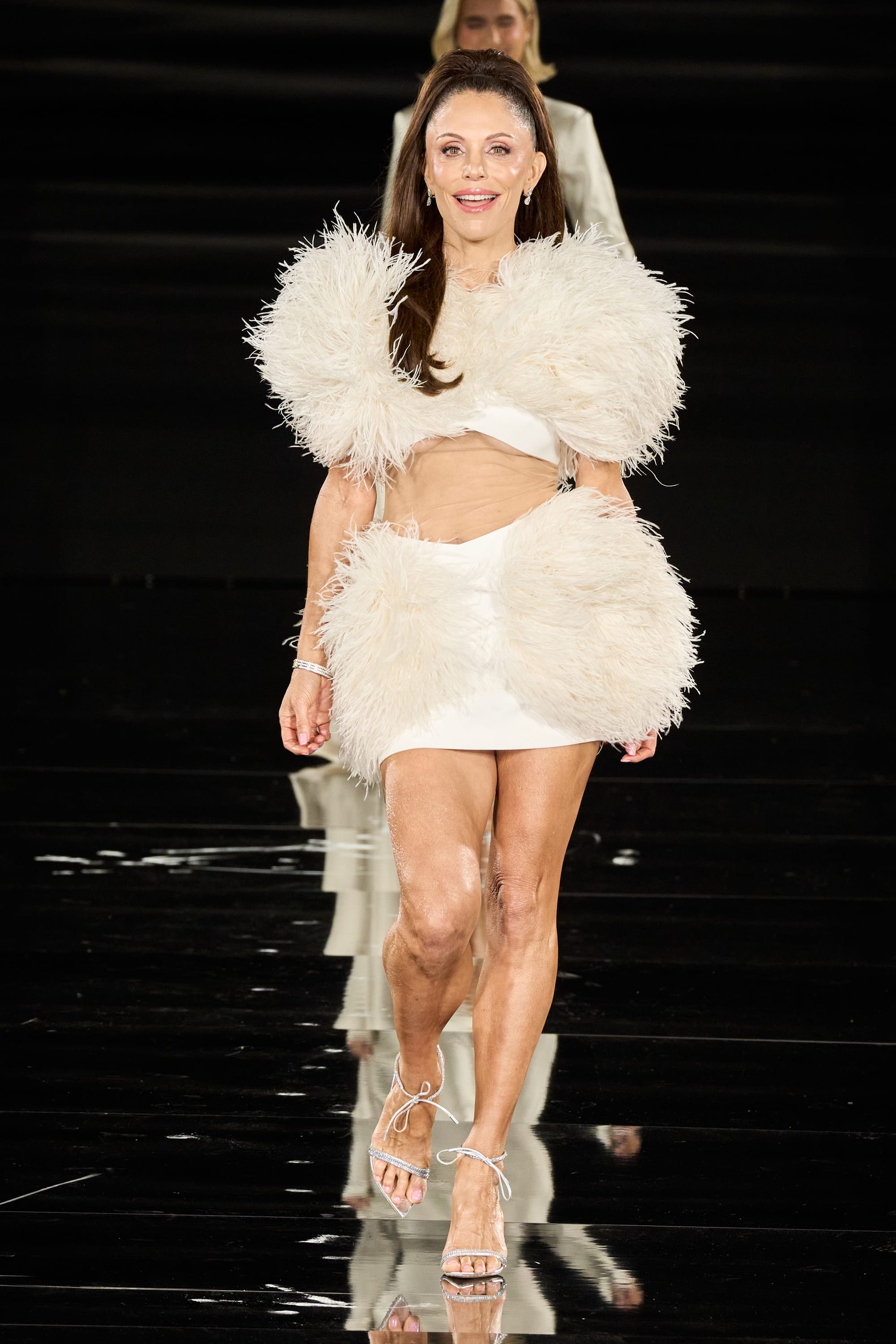
Bravo's bet on Golden Life follows a familiar playbook: when a franchise falters, bring back the originals. The strategy worked for The Real Housewives Ultimate Girls Trip and drove short-term engagement for Vanderpump Rules' scandal-fueled recent seasons. But the model only functions when the talent still needs the platform. When someone has successfully monetized their exit and built a career around critiquing the system, there's no incentive to return. Frankel's absence exposes the structural weakness in Bravo's nostalgia strategy: the cast members who defined the franchise's most successful era are also the ones who no longer need it.
The timing reveals how desperate the retreat actually is. Bravo rebooted RHONY in 2023 with an entirely new cast after the original iteration had grown stale and ratings had declined. That reboot was supposed to be a fresh start—younger, more diverse, less reliant on the same interpersonal dynamics that had calcified over a decade. It didn't land. Now, less than three years later, the network is pivoting back to the original cast, repackaging them under a new title that acknowledges their age while banking on their familiarity. Golden Life isn't a strategy. It's an admission that the 2023 reboot didn't work and that Bravo is out of ideas for how to move the franchise forward.
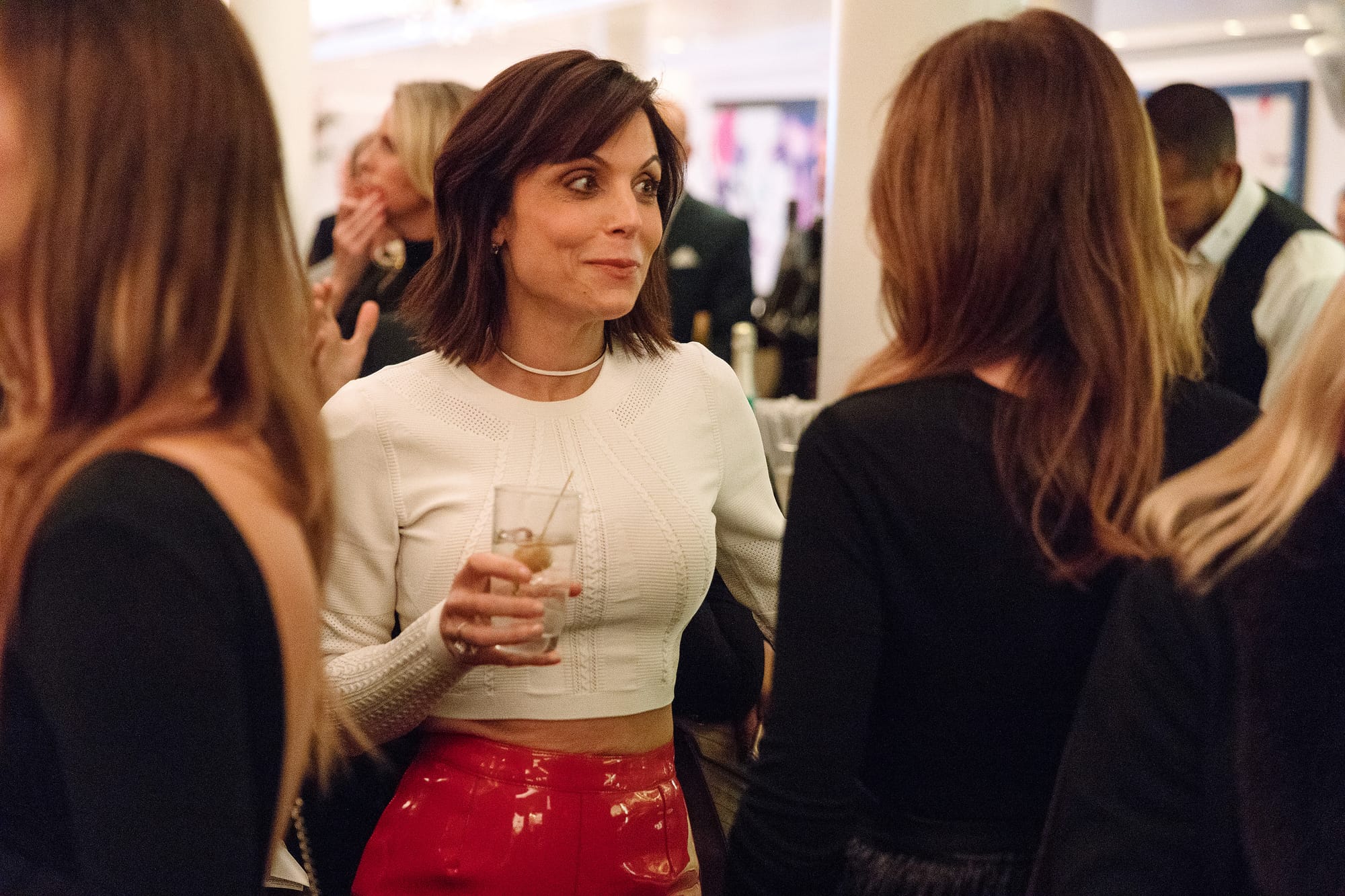
The four-out-of-five lineup will probably drive curiosity for the premiere. Viewers will tune in to see these women back together, and the first few episodes will benefit from novelty. But as Tinsel has covered, nostalgia plays have diminishing returns in a fragmented media market. Without Frankel, the show becomes a reminder of what's missing rather than a restoration of what worked. Every episode will be shadowed by the absence of the cast member who defined the franchise's most successful era. The show won't fail because Frankel isn't there—it will fail because her absence confirms that the most valuable alumni have moved on.
What Frankel's refusal actually reveals is a power shift Bravo can't reverse. The network has spent years building a business model that depends on talent staying dependent. Cast members are paid less than their market value because the platform provides visibility that theoretically compensates for the gap. It's a trade that only makes sense when the visibility is worth more than what you're giving up. Frankel proved it's possible to flip that equation—to use the platform to build something bigger, then leave with the leverage intact. Her absence from Golden Life demonstrates that Bravo's most successful graduates now understand they don't need to keep making that trade.
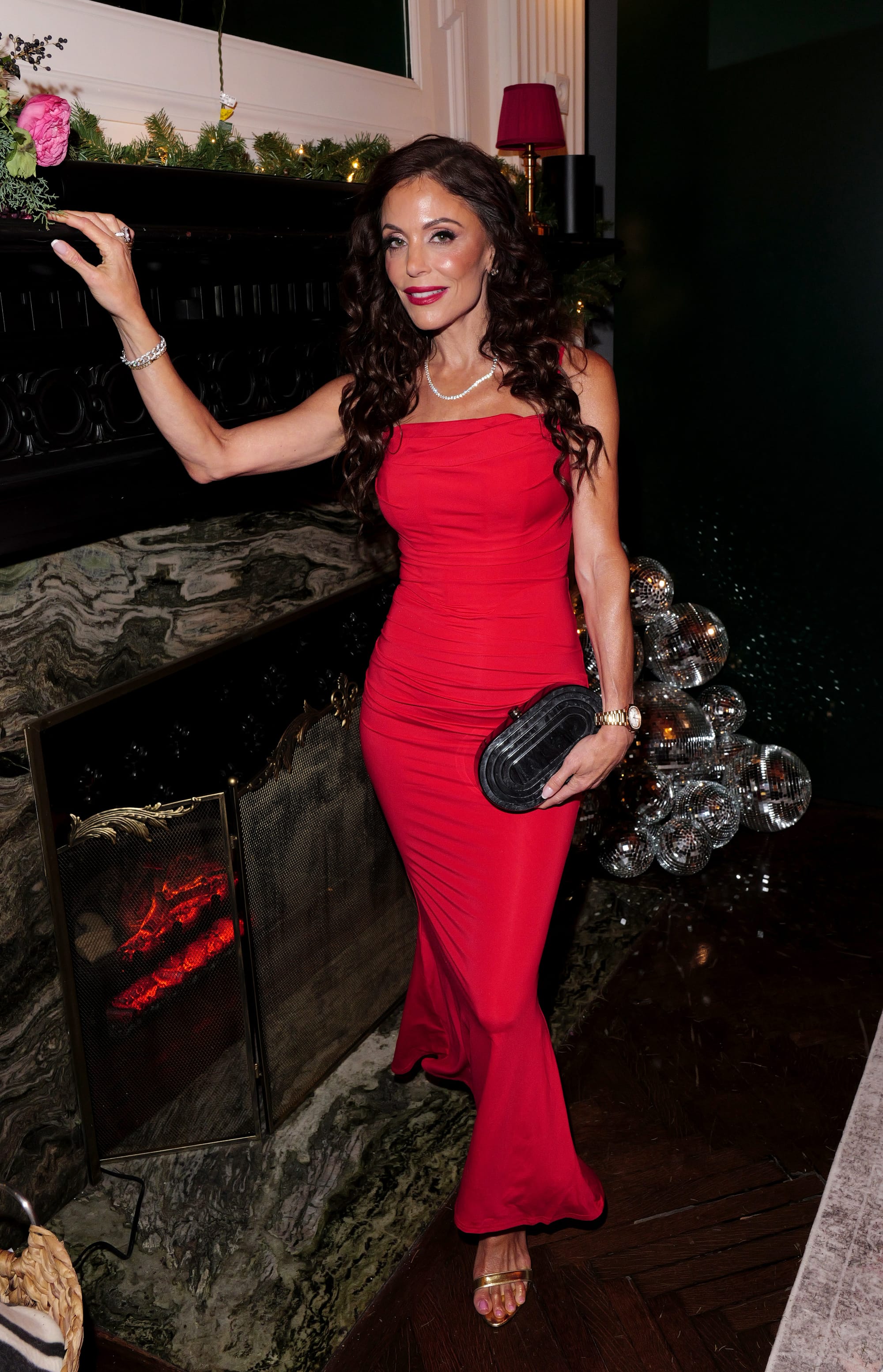
Frankel's decision also highlights a broader shift in how reality TV talent approaches their careers. The old model was straightforward: get cast, build a fanbase, monetize through endorsements and appearances, stay on the show as long as possible. Frankel pioneered a different path—use the show as a launchpad, then exit before the platform extracts more value than it provides. Harry Styles walked away from pop ubiquity after building the biggest machine in music. Cillian Murphy turned down franchise money to maintain creative control. The pattern is consistent: once you've extracted maximum value from a platform, the smartest move is often to leave before it extracts maximum value from you.
The power dynamic Frankel's refusal exposes is the part Bravo can't acknowledge publicly. The network will frame Golden Life as a celebration of the franchise's legacy. But legacy projects depend on everyone showing up. Without Frankel, the show becomes a case study in what happens when one cast member successfully negotiates their way out of the ecosystem while the others remain dependent on it. That power imbalance will play out on screen every episode, and no amount of nostalgia can disguise it. The real story of Golden Life isn't who said yes—it's who had the leverage to say no, and what that leverage cost Bravo.