The influencer economy runs on a simple transaction: visibility for monetization, access for engagement, performance for profit. Carolyn Bessette-Kennedy never signed that contract. She died in 1999, before Instagram existed, before the creator economy turned every public figure into their own media company, before celebrity became indistinguishable from constant self-documentation. And now, twenty-six years later, Ryan Murphy has made her the subject of his latest series — a collision between a woman who refused to perform and an entertainment culture that no longer understands refusal as an option.
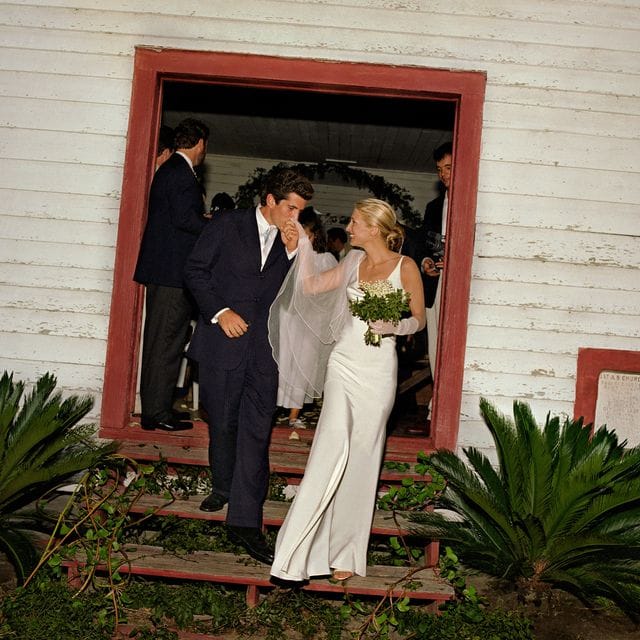
The timing is not accidental. According to Vogue, Murphy's series has triggered a fresh wave of online fascination with Bessette-Kennedy, her minimalist wardrobe dissected on TikTok, her wedding photos recirculated as aesthetic mood boards, her refusal to smile for paparazzi reframed as "unbothered energy." The internet is trying to make her legible in its own terms, to retrofit a woman who avoided cameras into content that feeds the algorithm. It is a perfect inversion: the most interesting thing about Carolyn Bessette-Kennedy is that she would never have participated in the discourse now being constructed around her.
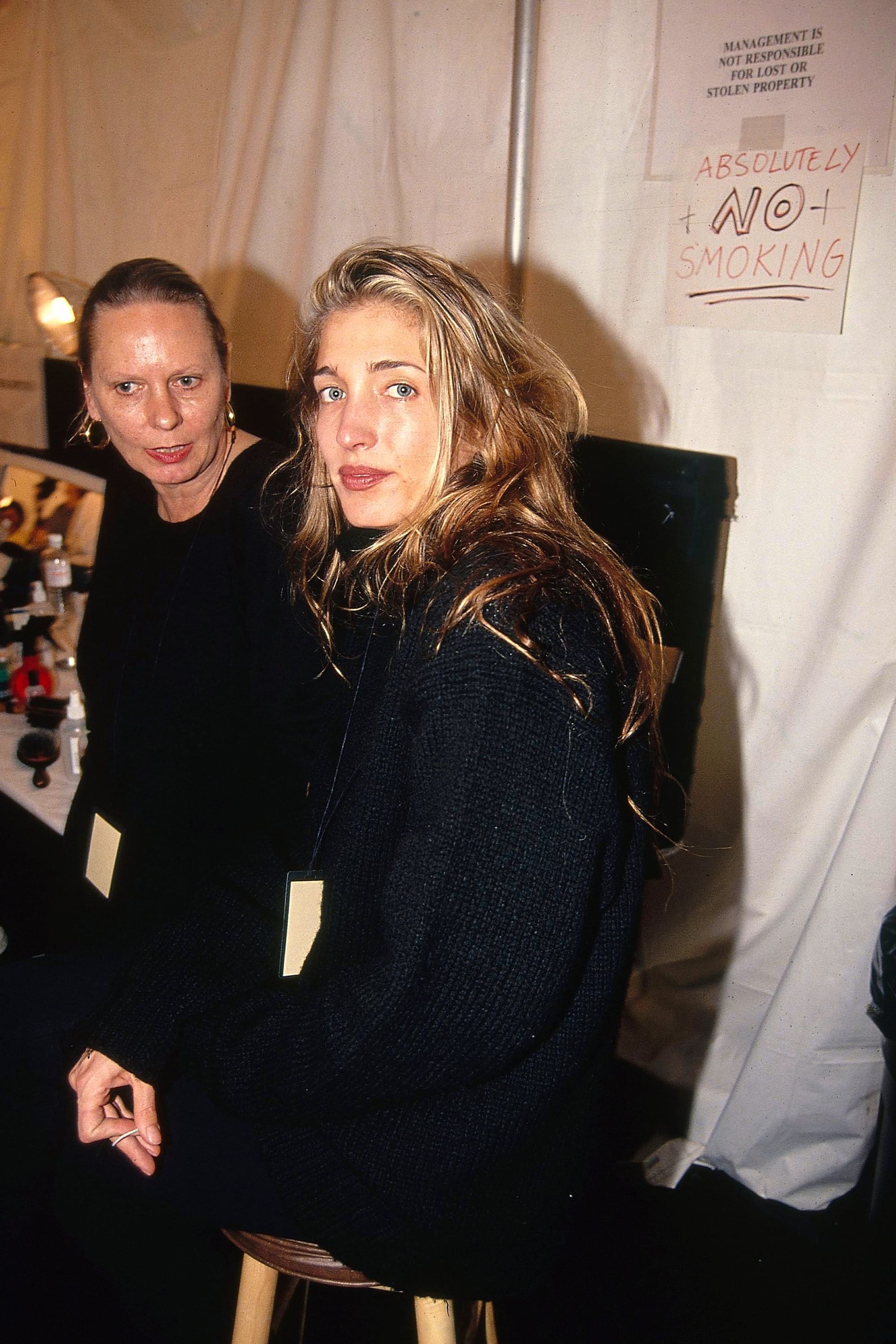
What made Bessette-Kennedy compelling in the 1990s was not her fashion — though the fashion was extraordinary — but her consistent, deliberate withholding. She did not give interviews. She did not pose. She did not perform relatability or accessibility or any of the other currencies that now define public life. She was married to John F. Kennedy Jr., one of the most famous men in America, and she moved through that fame like someone walking through a storm with an umbrella, protected by sheer refusal to engage. The paparazzi photographed her constantly, and in every image she looks like someone being interrupted, not someone offering herself up for documentation.
That posture is almost unimaginable now. In 2026, visibility is not something that happens to you — it is something you produce, manage, and monetize. The creator economy has turned personal brand into infrastructure, and the expectation is total: if you are famous, you perform. You do not just appear in public; you document yourself appearing in public. You do not just wear clothes; you tag the designer, link the product, optimize the post for engagement. The idea that someone could be famous and simply refuse to participate in their own celebrity feels like a glitch in the system.
Murphy's series arrives at a moment when that glitch has become fascinating again, particularly to a generation raised on the opposite model. The same TikTok users who build entire identities around curated selfies and day-in-the-life vlogs are now obsessing over a woman who spent her short public life trying to disappear from view. It is not hard to see the appeal. Bessette-Kennedy represents the last moment before celebrity required constant performance, before silence read as secrecy rather than privacy, before withholding became a brand strategy rather than a boundary.
But the nostalgia is also telling. The internet is not actually interested in Carolyn Bessette-Kennedy as a person — it is interested in her as an aesthetic, a vibe, a set of visual signifiers that can be extracted, replicated, and monetized. Her minimalist wardrobe becomes a capsule collection. Her refusal to smile becomes "quiet confidence." Her aversion to cameras becomes a mood board. The very thing that made her compelling — her refusal to be turned into content — is being turned into content. It is the ultimate irony, and the ultimate proof that the system she resisted has won.
The business logic is clear. Murphy has built a career on revisiting iconic figures and moments — O.J. Simpson, Gianni Versace, Monica Lewinsky, Jeffrey Dahmer — and reframing them for an audience that consumes history as entertainment. Bessette-Kennedy fits the formula: famous, tragic, visually compelling, underexplored. But she also resists it in ways the others did not. Simpson, Versace, and Lewinsky were all, in different ways, participants in their own narratives. They gave interviews, made statements, existed in the public record. Bessette-Kennedy left almost nothing. There are no interviews to sample, no confessionals to dramatize, no public persona to deconstruct. What Murphy is making is not a portrait — it is a projection.
That absence is part of the appeal, but it is also an ethical problem. The less someone said in life, the more freedom a dramatization has to fill in the gaps. And when everyone is expected to be their own media company, that silence can be misread as consent, as if the absence of a public persona is an invitation to construct one on her behalf. Bessette-Kennedy cannot object to how she is portrayed because she is dead. She cannot clarify, correct, or contextualize. She cannot refuse to participate, which means the series can do what she never allowed in life: turn her into a character.
The cultural pattern here is not new, but it is accelerating. We are living through a moment when privacy is treated as suspicious, when refusal to perform reads as withholding, when the most radical act a public figure can commit is to simply not engage. Even accidental fame now comes with the expectation of monetization. The Staples employee who went viral did not ask for attention, but once it arrived, the pressure to capitalize on it was immediate. The difference is that she can choose. Bessette-Kennedy cannot.
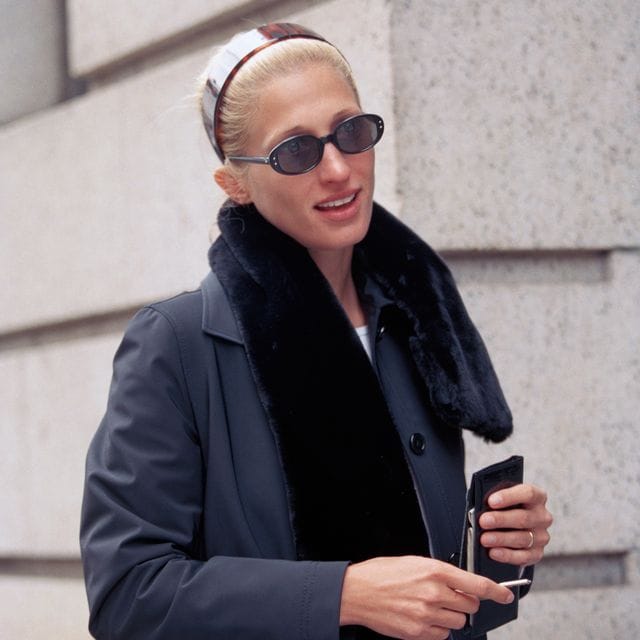
What makes Murphy's series particularly interesting — and particularly uncomfortable — is that it arrives at a moment when the culture has shifted so completely that Bessette-Kennedy's refusal to perform now reads as performance itself. Her minimalism looks like a brand strategy. Her silence looks like mystery marketing. Her aversion to cameras looks like playing hard to get. The internet cannot process someone who did not want to be looked at, so it reframes her as someone who understood that being looked at was inevitable and chose to control the terms. It is a fundamental misreading, but it is the only reading that makes sense when visibility is currency.
The real question is not whether Murphy's series will be good or accurate — it is whether it is possible to tell the story of someone whose defining characteristic was refusal without violating that refusal in the process. The answer is probably no. The act of making the series is itself a violation, a decision to turn someone who avoided the spotlight into the subject of one. But that contradiction is also the point. Carolyn Bessette-Kennedy is fascinating precisely because she would not have wanted this attention, and the fact that we are giving it to her anyway says more about us than it does about her.
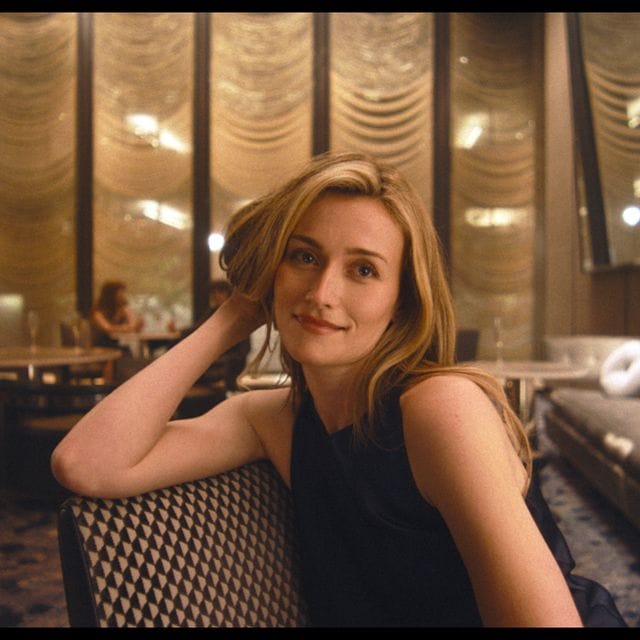
The influencer economy has taught us that visibility is a choice, that fame is something you build and manage and monetize. Bessette-Kennedy is a reminder that it used to be something that happened to you, something you could resist, something you could refuse. The fact that we can no longer imagine that refusal as anything other than strategy is the clearest sign of how completely the performance economy has won. We are not mourning Carolyn Bessette-Kennedy. We are mourning the idea that it was ever possible to be famous and still say no.