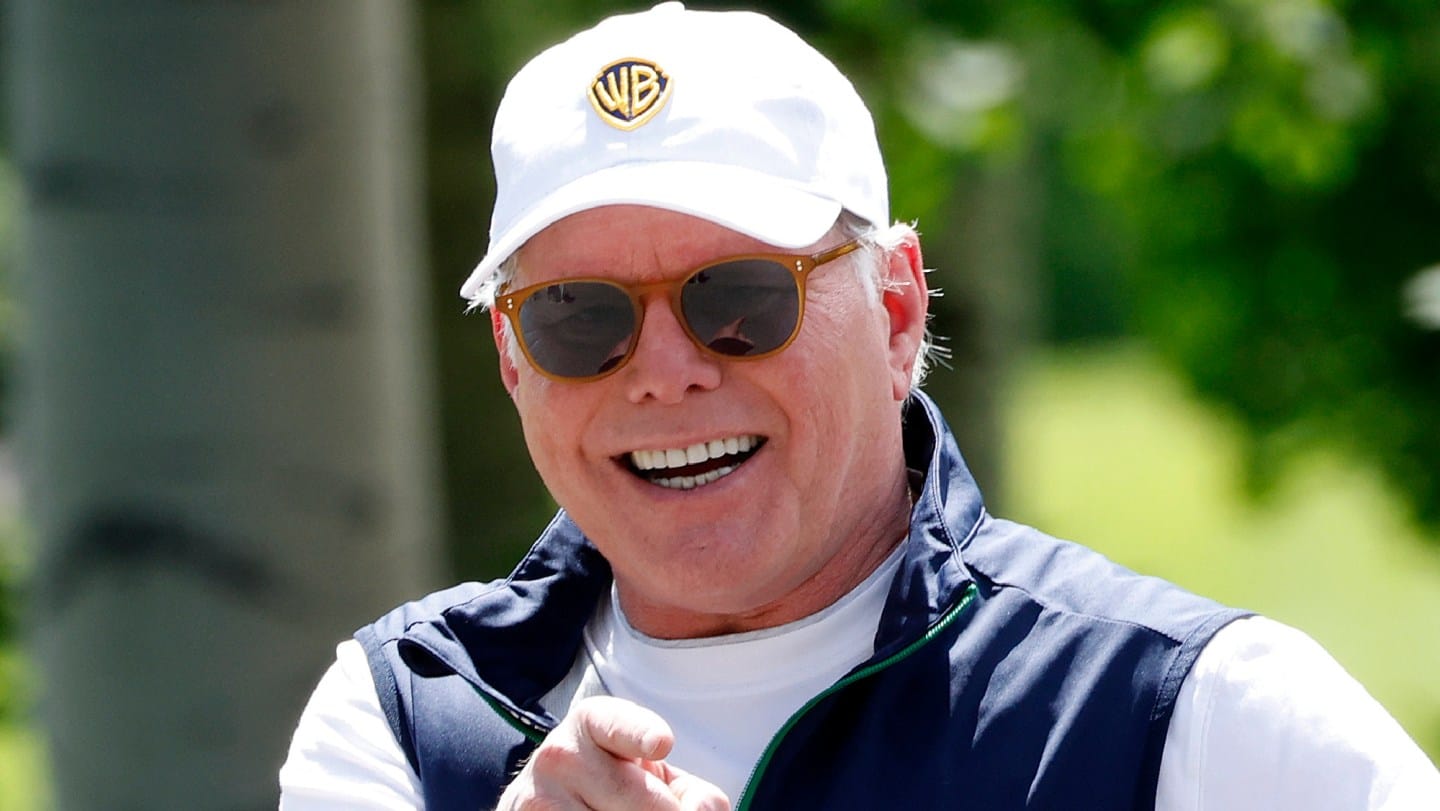
The SEC filing landed Wednesday afternoon with the kind of precision that suggests it had been scheduled for months. David Zaslav sold $114 million worth of Warner Bros. Discovery stock. Three other top executives — Bruce Campbell, JB Perrette, and Gunnar Weidenfels — sold too. The trades were legal, disclosed, and executed through Rule 10b5-1 plans, the automated trading windows that let executives offload equity without triggering insider trading scrutiny. According to The Hollywood Reporter, the sales came as soon as the trading window opened following nearly a year of dealmaking that culminated in WBD's acquisition of Paramount.
The timing is the story. Zaslav just closed a transformational merger he spent months pitching as the strategic answer to legacy media's existential crisis. If the Paramount acquisition is supposed to unlock synergies, scale efficiencies, and a viable path to profitability in streaming, why is the architect of that deal converting his equity into cash the moment he legally can?
Executives sell stock routinely. But the scale and the moment — right after a deal Zaslav framed as salvation for the entire industry — contradict the narrative WBD has been selling to Wall Street. This is what you do when you've seen the integration roadmap and decided that liquidity today beats equity tomorrow. It's a bet against the upside, and it's coming from the people who built the company.
Zaslav has spent his tenure at Warner Bros. Discovery engineering mergers and preaching consolidation as the only path forward. The WarnerMedia-Discovery deal in 2022 was supposed to create a content powerhouse with enough scale to compete with Netflix and Disney. The Paramount acquisition was supposed to add library depth, rationalize costs, and give WBD the leverage it needed with distributors and advertisers. The pitch has been consistent: bigger is better, and survival requires scale.
But as Tinsel reported when the merger closed, the deal also revealed which company actually built for streaming — and it wasn't Warner Bros. Discovery. Paramount's ad tech infrastructure was more advanced. Its streaming product was cleaner. WBD's advantage was content volume, not operational sophistication. The company that supposedly won the merger is now integrating the infrastructure of the company it acquired.
The stock sales suggest the executives who built this empire don't believe the market will reward them for it. Zaslav has been compensated handsomely throughout his time at WBD, but this sale is different. It's not about diversification or estate planning. It's about cashing out after a deal closes, which is what you do when you think the hardest part is still ahead and the market won't care when you get through it.
The broader industry context sharpens the signal. Legacy media has spent two years trying to merge its way out of structural decline. The theatrical business is shrinking — even premium models are collapsing — and streaming remains a subsidy game dressed up as a growth narrative. The companies that survived the last decade did so by convincing Wall Street that scale would eventually translate into profitability. That story is wearing thin. Investors have stopped rewarding growth for growth's sake. They want margins, free cash flow, and proof that streaming can work without burning cash indefinitely.
Zaslav's sale suggests he knows what the next 12 to 24 months look like, and it's not a victory lap. The Paramount integration will be messy. The cost cuts will be brutal. The content slate will shrink as WBD tries to rationalize production spend across two bloated libraries. And the market, which has already punished WBD's stock for underperformance, is unlikely to reward the company for doing what it should have done years ago: building a leaner, more disciplined operation instead of acquiring more weight.
The entertainment industry has a pattern of executives engineering deals that look good in press releases and fall apart in execution. The logic is always the same: consolidation will unlock efficiencies, eliminate redundancies, and create a stronger competitor. The reality is messier. Mergers are expensive, disruptive, and often destroy as much value as they create. The executives who engineer them know this, which is why so many of them sell stock the moment they can. They've seen the integration roadmaps. They know where the bodies are buried.
Zaslav's stock sale won't change WBD's trajectory. The company will move forward with the Paramount integration, cut costs, and try to convince Wall Street that it can build a sustainable streaming business. But the sale is a data point — one that investors, employees, and industry observers should weigh carefully. When the people running a company start converting equity into cash right after a major deal closes, they're telling you what they expect the future to hold. In this case, the future looks like a long, difficult integration with no guarantee of a payoff at the end. And the person who engineered the deal has already decided he'd rather have the cash.