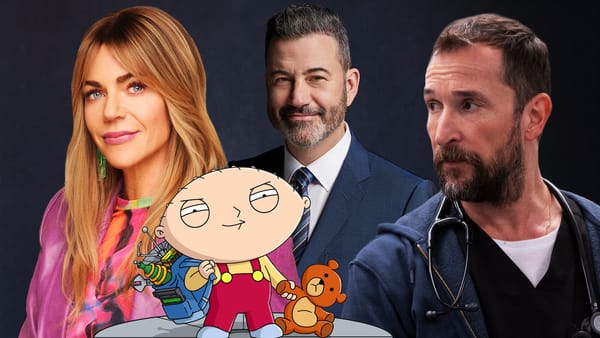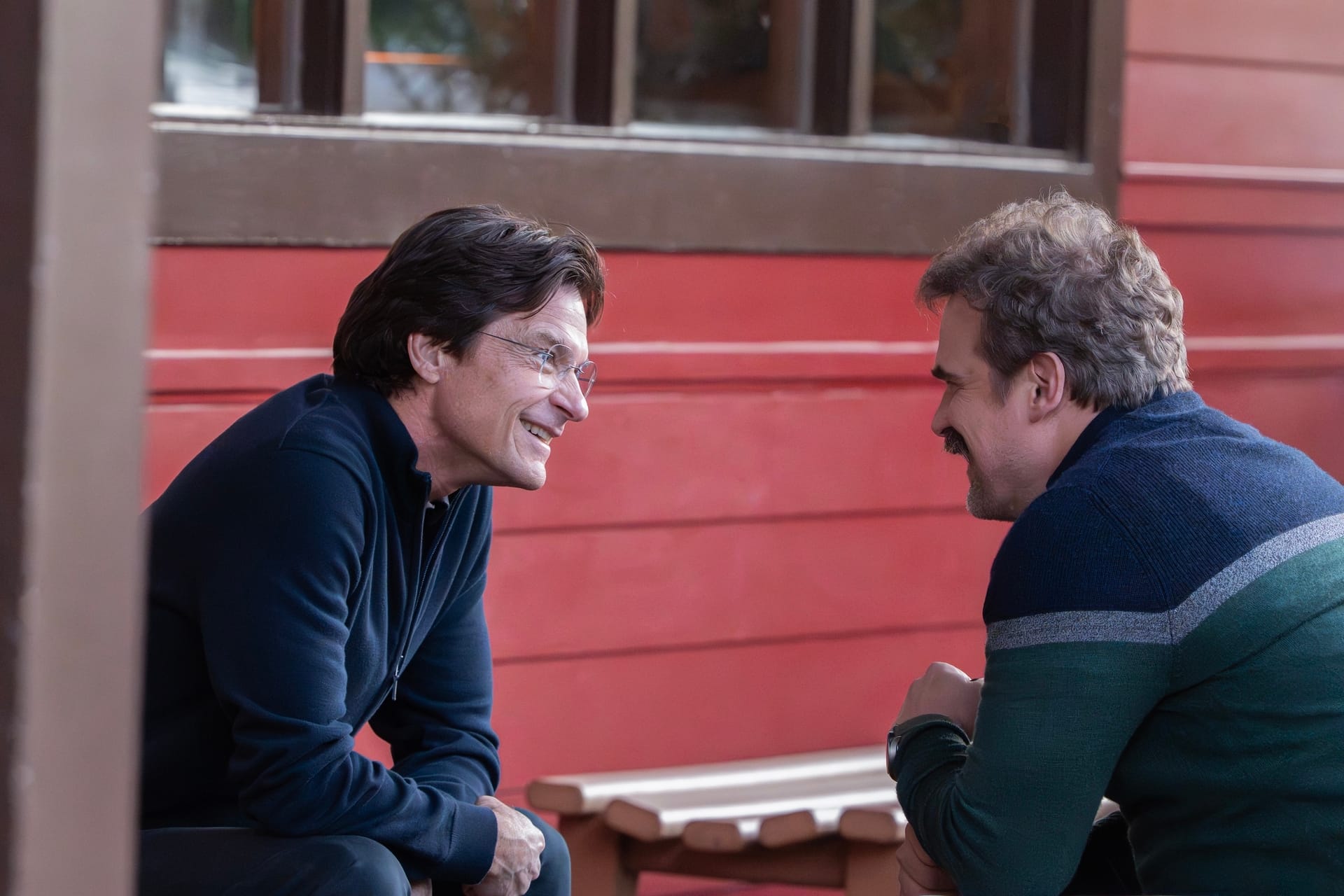
HBO pulled 2.5 million U.S. viewers for DTF St. Louis in its first three days—a combined total from Sunday night's linear cable premiere and subsequent streams on Max, according to Variety. The number lands somewhere between respectable and underwhelming depending on where you're standing. For a broadcast network reality launch, 2.5 million would register as a soft opening. For HBO, it's exactly the kind of debut the network has been engineering since it decided reality television was worth its prestige brand—provided the reality in question made people uncomfortable enough to talk about it.
The title alone does that work. DTF St. Louis doesn't hide what it's selling. It's not The Real Housewives of Anywhere or Love Is Blind: Midwestern Edition. It's explicit, geographically specific, and unapologetically built for the segment of HBO's audience that wants their reality TV to feel like it's saying something about culture rather than just filling two hours of weeknight programming. That's the strategy HBO has been refining across its reality slate: shows that don't need to be the biggest thing on television as long as they're the most talked-about thing in their lane.
The 2.5 million figure reflects that prioritization. It's a number that says HBO is playing a different game than the networks that built reality TV into a volume business. Bravo can stack Housewives franchises and pump out episodes across a dozen cities because its model depends on ubiquity—enough content to keep viewers inside the ecosystem, enough familiarity to make every new franchise feel like a continuation of the last. HBO's reality strategy works in reverse. It's not trying to be everywhere. It's trying to be the place you go when you want reality television that feels like it has editorial intent.
That intent shows up in the show selection. HBO's reality slate skews toward concepts that carry cultural provocation as part of the premise—dating shows that interrogate modern relationship structures, documentaries that double as social commentary, competition formats that feel like they're making an argument about who gets to succeed and why. DTF St. Louis fits that pattern. The show isn't just about dating in St. Louis. It's about the friction between Midwest cultural norms and the kind of sexual frankness that HBO has always used as a signaling device for its audience. The title makes that friction the marketing.
The viewership split between linear and streaming also tells a story about where HBO's reality audience actually lives. Warner Bros. Discovery didn't break out the exact linear-versus-Max numbers, but the combined measurement suggests a significant portion of that 2.5 million came from Max streams rather than Sunday night cable viewing. That tracks with how HBO has been positioning its reality content: as programming that works better on-demand than it does in a traditional weekly appointment slot. Reality TV built its empire on appointment viewing—tuning in live, talking about it the next day, building episodic momentum across a season. HBO's betting that its reality audience would rather binge three episodes on a Saturday afternoon than commit to a weekly schedule, and the measurement strategy reflects that shift.
The question HBO is answering with this debut isn't whether DTF St. Louis can compete with network reality juggernauts on raw scale. It's whether the network can carve out a sustainable reality brand that operates on cultural conversation rather than sheer volume. That's a harder model to prove out because conversation is harder to measure than viewership, and because the risk of building a reality slate on provocation is that provocation has diminishing returns. The first show with an explicit title gets attention. The fifth one starts to feel like a formula.
But 2.5 million viewers in three days is enough to suggest HBO has figured out the floor for this strategy. It's not appointment television, and it's not breaking through to a mass audience that doesn't already subscribe to Max. What it is, apparently, is enough to justify the investment in a reality slate that prioritizes cultural specificity over broad appeal. HBO's not trying to be Bravo. It's trying to be the place Bravo's audience goes when they want reality TV that feels like it was made for them specifically, not for everyone.
The real test comes in whether that audience grows or whether HBO just keeps pulling the same 2.5 million viewers across different iterations of the same thesis. Because if every HBO reality debut lands in this range, the network has built a niche. If the next one does better, it's built a strategy that scales. The difference matters—not just for HBO, but for every other streamer watching to see if prestige and reality TV can actually coexist without one of them compromising.
For more, see how the streaming wars work and why everyone is a network now.