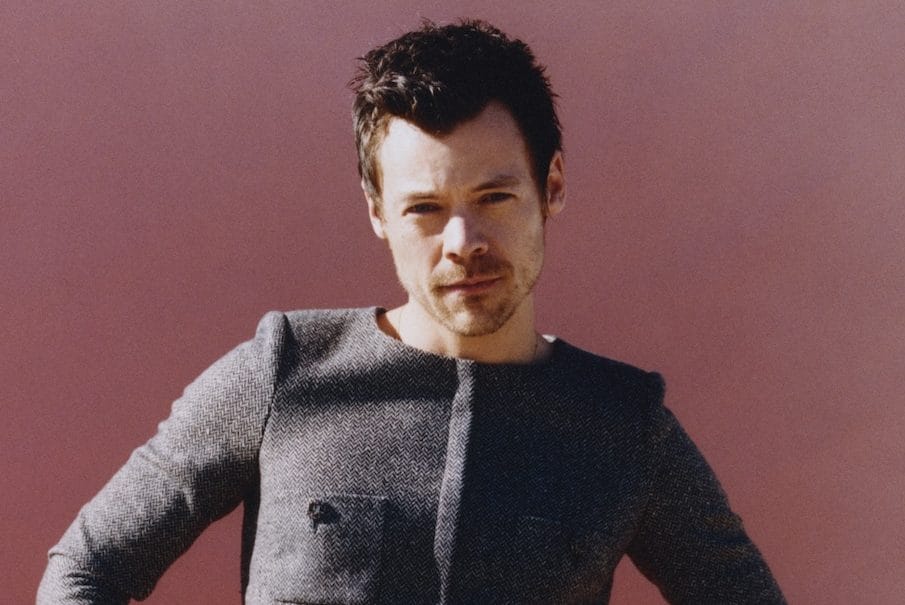
The safest move in pop music right now is to give people what they already know they want. The second-safest is to give them a slightly different version of what they already know they want. Harry Styles just released an album that does neither.
Kiss All the Time. Disco, Occasionally. is slow-burning, atmospheric, and deliberately uninterested in immediate gratification. According to Variety's review, it's not Harry's House part two. It's not a stadium-ready collection of singles designed to dominate festival lineups and playlist covers. It's the kind of album that requires patience, repeat listens, and an attention span longer than 15 seconds. In 2026, that makes it a commercial risk. It also makes it the smartest career move Styles could have made.
Because here's what most pop stars don't understand until it's too late: playing it safe is the actual risk now. The pop market is littered with artists who gave people exactly what they wanted—until those people got bored and moved on. The algorithm rewards repetition until it doesn't. Fans demand consistency until they start calling you predictable. And suddenly, the artist who spent years perfecting their lane finds themselves stuck in it, watching younger, weirder acts pass them by.
Variety frames the album as a rejection of crowd-pleasing—a refusal to become "a nostalgia act, where an artist is trapped in a loop of playing to type." That's accurate, but it undersells what's actually happening. Styles isn't just avoiding nostalgia. He's actively working against the incentive structures that have turned most pop stars into content creators with better budgets. He's betting that the path to longevity runs through artistic coherence, not playlist optimization.
The move only makes sense if you're thinking in decades, not quarters. And that's exactly what Styles appears to be doing. Harry's House was already a departure—intimate where it could've been bombastic, subtle where it could've been loud. But Kiss All the Time. Disco, Occasionally. takes that instinct further. It trusts its audience to keep up, rather than pandering to the lowest common denominator of engagement metrics.
That trust matters, especially now. The monoculture is dead, which means there's no singular audience to please anyway. The old model—make a hit, promote the hit, repeat—has been replaced by something more fragmented and unpredictable. In that environment, the artists who survive are the ones who build deep loyalty rather than broad recognition. The ones who give their audience something to grow with, not just something to stream once and forget.
Styles has always been good at this. His career has been a masterclass in controlled reinvention—each era distinct enough to feel like evolution, but cohesive enough to avoid whiplash. He's already walked away from the biggest pop machine in the world once. He's never tried to be all things to all people, which is probably why he's managed to avoid the fate of so many boy band graduates who either disappear or become parodies of themselves.

But Kiss All the Time. Disco, Occasionally. represents a different kind of bet. It's not just about artistic growth—it's about rejecting the premise that pop stars need to be accessible at all times, in all ways, to everyone. It's about making something that doesn't immediately make sense, and trusting that the sense will reveal itself over time.
That's a luxury most artists don't have. Mid-tier acts can't afford to alienate casual listeners. Emerging artists can't risk losing momentum. But Styles has enough cultural capital to take the long view. And he's using it to make the kind of album that most pop stars only get to make once they've already retired—if they get to make it at all.
The economics support the gamble. Styles doesn't need another "As It Was"—a song that dominated radio and playlists but didn't particularly deepen his artistic reputation. He already has the commercial wins. What he needs now is the kind of credibility that turns a pop star into an artist, the kind that earns critical respect and sustains a career past the point where youth and novelty stop doing the heavy lifting. That credibility doesn't come from giving people what they expect. It comes from making them reconsider what they thought they knew about you.
The timing matters too. Pop is in a strange place right now—caught between the algorithmic demand for instant hooks and a growing audience fatigue with music that feels engineered rather than felt. The biggest songs of the past year have been either TikTok-optimized earworms that disappear as fast as they arrive, or slower-building tracks that found their audience through word of mouth rather than playlist placement. Kiss All the Time. Disco, Occasionally. positions Styles firmly in the latter camp, betting that there's still an appetite for albums that reward sustained attention.

The irony is that this might be the move that keeps him relevant longer than any of his contemporaries. The artists we remember aren't the ones who gave us what we wanted. They're the ones who showed us what we didn't know we needed. The ones who trusted their instincts over the data. The ones who were willing to risk being misunderstood in the short term for the possibility of being essential in the long term.
Styles has always been good at reading the room. With Kiss All the Time. Disco, Occasionally., he's proving he's even better at ignoring it when it counts.
For more, see Harry Styles’ rejection of pop ubiquity and the best celebrity podcasts.