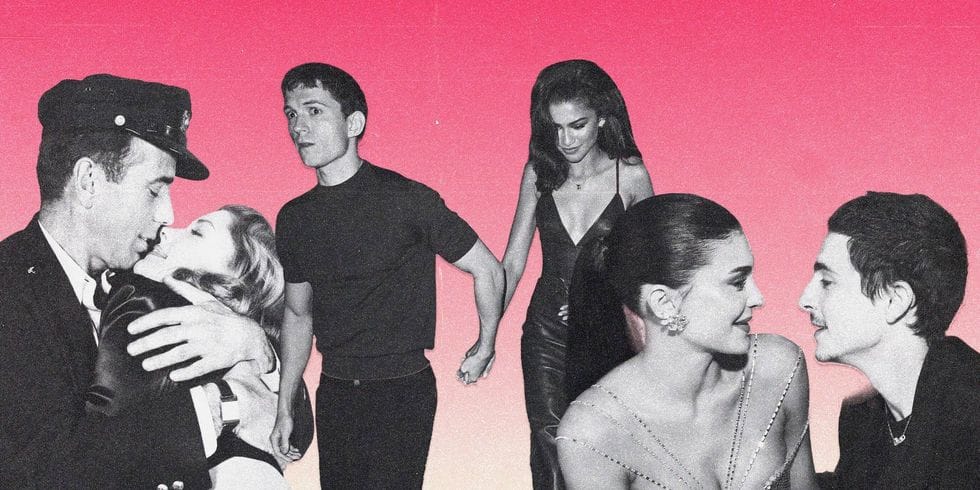
Zendaya and Tom Holland got married recently. The confirmation came not from a Vogue cover story or an Instagram carousel, but from Law Roach mentioning it briefly in an interview with Paper Magazine. That was it. No guest list leaked. No behind-the-scenes content. No carefully staged paparazzi shots of the couple leaving the venue. For two of the most photographed actors of their generation, the information vacuum was total.
This is not an accident. It's a strategy. And it's working.
Within the span of a decade, Hollywood's A-list has executed a near-total retreat from the digital intimacy that defined celebrity in the 2010s. The performers who once treated Twitter as a personality showcase and Instagram as a lifestyle diary have gone quiet. Not silent — they still show up for premieres, press tours, and contractually obligated brand partnerships — but the performative relatability that once defined their public presence has evaporated. The shift is so complete that it's easy to forget how recently things were different.
Jennifer Lawrence falling over at awards shows was peak 2010s celebrity branding. Anna Kendrick tweeting about burritos. Rihanna and Lana Del Rey threatening to fight people on Twitter. Demi Lovato's thirst traps. The entire apparatus of millennial celebrity was built on the idea that famous people should be Just Like Us, except with better lighting and a glam team. The strategy was ubiquity: be everywhere, all the time, in every format, so that audiences felt like they knew you personally.
Then the pandemic happened. Gal Gadot's "Imagine" video — a tone-deaf celebrity singalong recorded from various mansions during lockdown — didn't just fail. It revealed the fundamental problem with the relatability model: when the world is on fire, nobody wants to hear from rich people pretending they understand. The backlash wasn't just about that one video. It was about the entire decade of celebrity culture that produced it.
The A-listers learned. Fast.
Kylie Jenner, whose entire career was built on reality television and social media omnipresence, kept her two-year relationship with Timothée Chalamet almost entirely offline. Their first major public appearance together was at the Critics' Choice Awards — not a staged paparazzi coffee run, not a coordinated Instagram soft launch, but a traditional red carpet moment. She showed up in vintage Gianni Versace. He wore Givenchy. They held hands. That was the reveal.
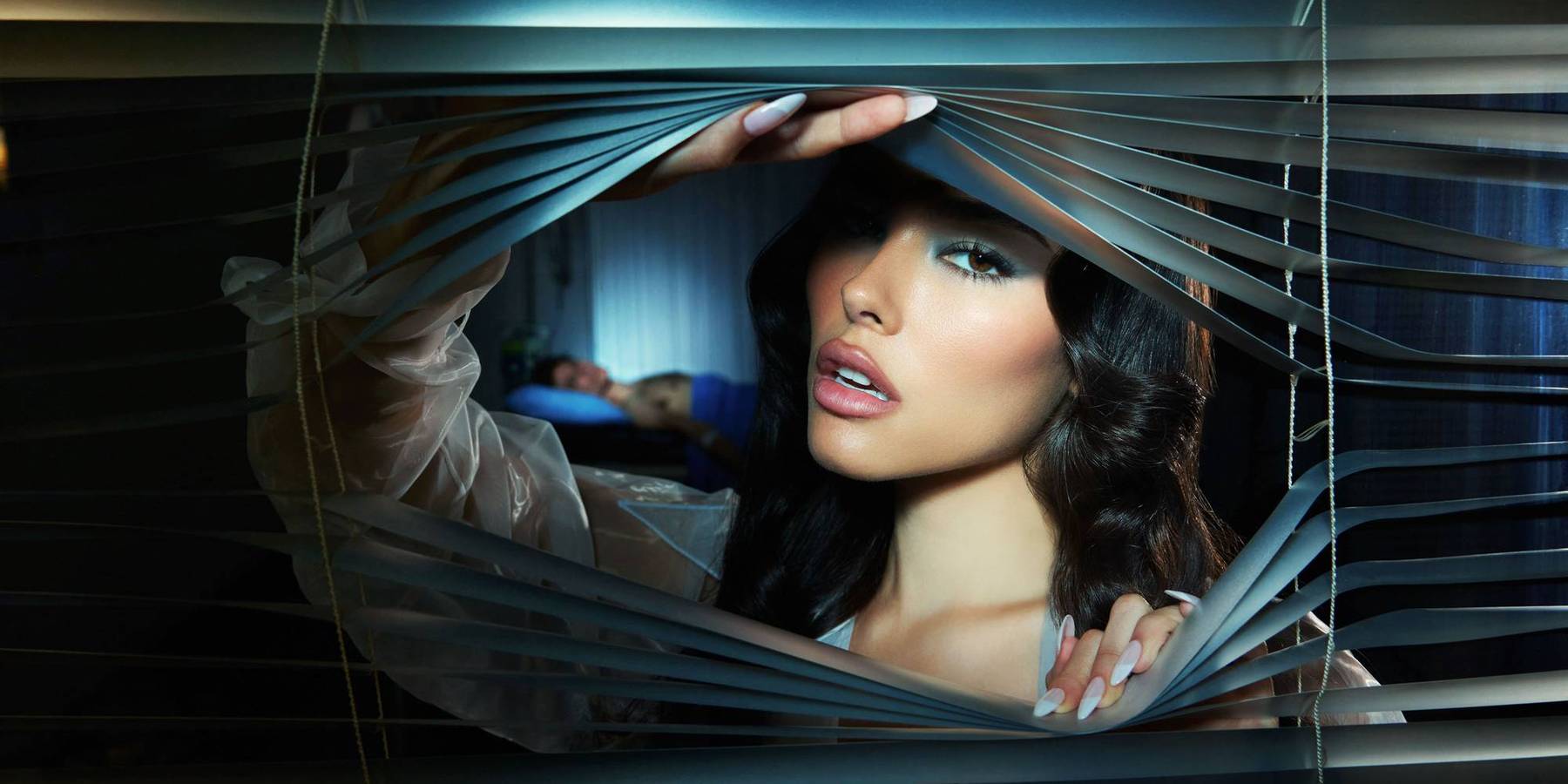
This is a radical departure for someone whose family pioneered the monetization of personal intimacy. But it's also smart business. The Kardashian-Jenner empire was built on access, but access as a commodity has diminishing returns. When every moment of your life is documented, nothing is special. Scarcity creates value. Jenner's silence about Chalamet made their relationship more interesting than any amount of content could have.
The same logic applies to Zendaya and Holland. They are, by any measure, one of the most famous young couples in Hollywood. Their chemistry is real. Their fans are obsessive. And yet the public knows almost nothing about their actual relationship. No joint interviews dissecting how they fell in love. No coordinated magazine shoots. No wedding content. Just two people who show up, do their jobs, and leave. The result is that their star power has only grown. Audiences project onto the void. Mystery is a feature, not a bug.
This is not about privacy as a personal value. It's about privacy as brand strategy. The shift coincides with a broader realignment of power in the entertainment industry. Streaming fragmented audiences. Social media platforms changed their algorithms, making organic reach nearly impossible without paying for it. The traditional publicity machine — late-night appearances, magazine covers, carefully timed paparazzi shots — still exists, but its ROI has cratered. What works now is the opposite: controlled scarcity, strategic absence, and the appearance of being above the fray.
The actors who have embraced this model are the ones whose careers have remained stable. The ones who kept posting through the chaos — who tried to maintain the millennial relatability playbook — have struggled. The influencer-to-celebrity pipeline still exists, but it's a different lane entirely. Traditional Hollywood stardom now requires distance.
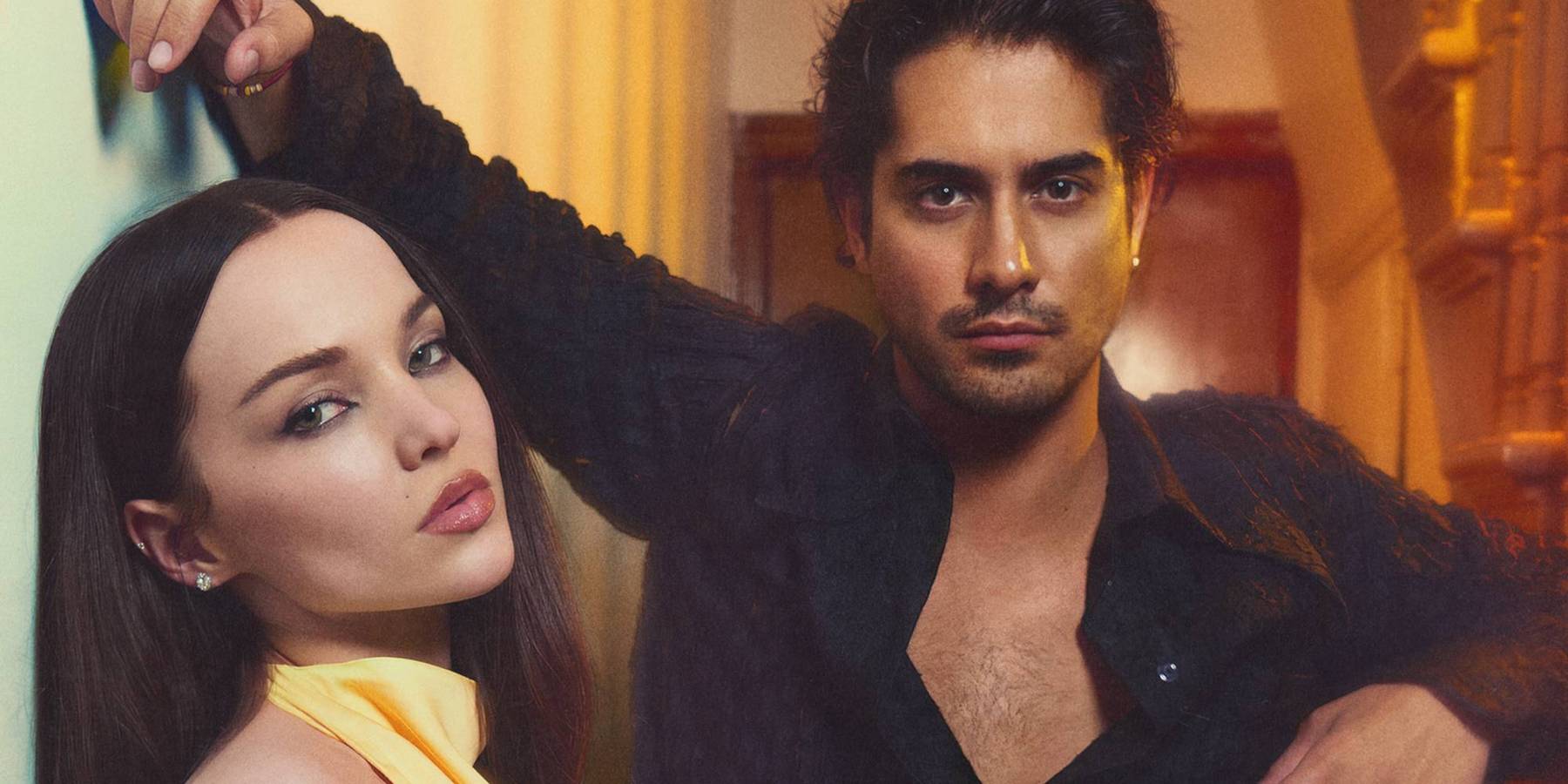
The business logic is clear. If you're everywhere, you're nowhere. If audiences feel like they already know everything about you, why would they pay to see you in a movie? The most valuable thing a celebrity can offer now is not access, but the illusion of inaccessibility. That's what sells tickets. That's what commands eight-figure deals. That's what makes you worth casting.
The pendulum has swung so far back that we're approaching pre-digital celebrity dynamics. Not entirely — the infrastructure is different, the platforms still exist, and everyone still has a publicist managing their Instagram grid. But the ethos is the same: the less you give, the more you're worth. Old Hollywood understood this instinctively. Stars were untouchable. Their personal lives were rumors, not livestreams. The mystique was the product.
What's different now is that this isn't a studio system enforcing silence. It's individual actors making calculated decisions about their own brands. Zendaya and Holland didn't hide their wedding because a contract required it. They did it because they understood that the wedding itself wasn't the asset. The fact that nobody knew about it was.
The shift has been so total that the old model now looks almost quaint. Who would voluntarily tweet about burritos when silence is worth more? Who would stage a paparazzi coffee run when mystery drives more engagement? The celebrities who are winning right now are the ones who figured out that the game changed. The ones still playing by 2015 rules are getting left behind.
This is not a moral judgment. It's not about authenticity or virtue. It's about what works. And what works now is the opposite of what worked a decade ago. Hollywood's A-list stopped performing relatability because relatability stopped being profitable. They started performing inaccessibility instead. The audience adapted faster than anyone expected. Turns out, we never really wanted them to be Just Like Us. We wanted them to be worth watching.