The art world's greatest trick is convincing people they don't belong in it. Galleries with no prices on the walls, auction houses that require registration to bid, fairs where the cheapest piece costs more than a car — the infrastructure is designed to feel exclusive, and for most people, it works. They never walk through the door.
Which is a shame, because building an art collection is more accessible than it's ever been. Online platforms have lowered the barriers, emerging artists price their work to sell, and the secondary market for prints and editions means you can own museum-quality work for the cost of a weekend trip. The global online art market surpassed $12 billion in 2025. The buyers aren't all millionaires — they're people who decided that the walls of their apartment should mean something.
What You Can Get at Every Price Point
Under $100: Prints, illustrations, and photographs by emerging artists on platforms like Etsy and Saatchi Art. These aren't investment pieces, but they're original creative work that supports working artists. Follow hashtags like #ArtistSupportPledge on Instagram, where artists sell works at capped prices — often $200 or less.
$100 to $500: Limited-edition prints from established publishers, small original paintings and drawings from emerging artists, and photography editions. At this level, you're buying work with genuine craft and intention. Platforms like Artsy and ArtFinder let you filter by price range to find pieces that fit your budget.
$500 to $2,000: The sweet spot for building a real collection. Original paintings, sculptures, and photographs by emerging and mid-career artists. This is where gallery relationships start to matter — many dealers will offer payment plans, sometimes interest-free, to help new collectors acquire work they love.
$2,000 to $5,000: Original works by established emerging artists, limited-edition prints by blue-chip names, and works on paper by artists with gallery representation. At this price point, you're collecting pieces that hold real cultural value and may appreciate over time.
Where to Buy
Online platforms: Saatchi Art offers one of the largest selections of original work from emerging artists worldwide. Artsy connects buyers with galleries and auction houses. 1stDibs aggregates gallery and dealer inventories for higher-end collecting. Tappan Collective and Uprise Art curate emerging artists specifically for new collectors.
Art fairs: The Affordable Art Fair caps prices — typically at $10,000 or below — and creates an atmosphere explicitly designed for first-time buyers. The Other Art Fair focuses on emerging artists and is less intimidating than the blue-chip fairs. Local art walks and open-studio events let you meet artists directly and buy without the gallery markup.
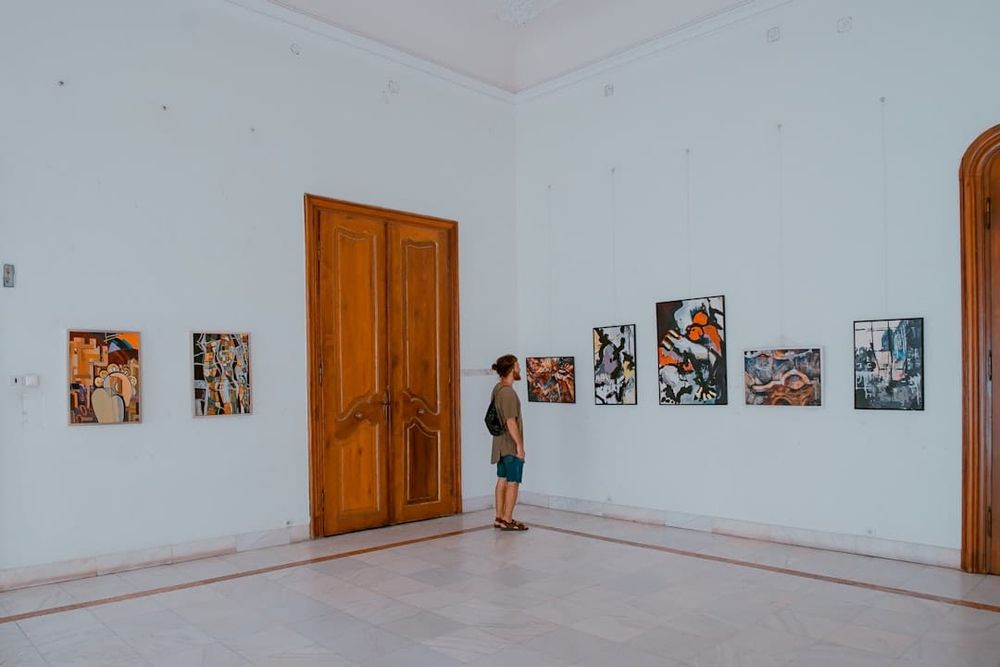
Galleries: Yes, you can just walk in. Galleries are open to the public — the door is unlocked, the work is on view, and you don't need an appointment to look. If you see something you're interested in, ask. The person at the front desk exists to help you. Prices are available on request, and "on request" doesn't mean "if you have to ask, you can't afford it." It means they'll email you a price list. Gallery openings — usually held on Thursday or Saturday evenings — are free, open to anyone, and serve wine.
What to Know Before You Buy
Buy what you love, not what you think will appreciate. The art market is unpredictable, and buying purely for investment is a game best left to professionals with information advantages you don't have. If the piece stops appreciating, you still have to look at it every day. Buy something you want to look at.
Keep records. Certificates of authenticity, purchase invoices, and provenance documentation matter — for insurance, for resale, and for understanding what you own. Digital management tools make this easier than it used to be.
Set a budget and respect it. Art buying is emotional, and galleries are designed to make you feel something. That's the point. But set a number before you walk in, and add 10 to 20 percent for framing — which can cost more than you'd expect for museum-quality conservation framing.
Limited editions are legitimate. Signed and numbered prints from established artists are a genuine way to collect at accessible prices. An edition of 50 from a working artist is not the same thing as an open-edition poster. The numbering (e.g., 12/50) indicates the print's place in a limited run, and the artist's signature is your certificate of authenticity.
Starting a collection is less about money than attention. It's about looking at the world carefully enough to know what moves you, and then making the modest leap of paying an artist for the privilege of living with their vision. For more on how the art world's economics are shifting, see Tinsel's coverage of White Cube signing Emmi Whitehorse and Jamie Gentry's refusal of the "contemporary art" label, the best photography books of the last decade.