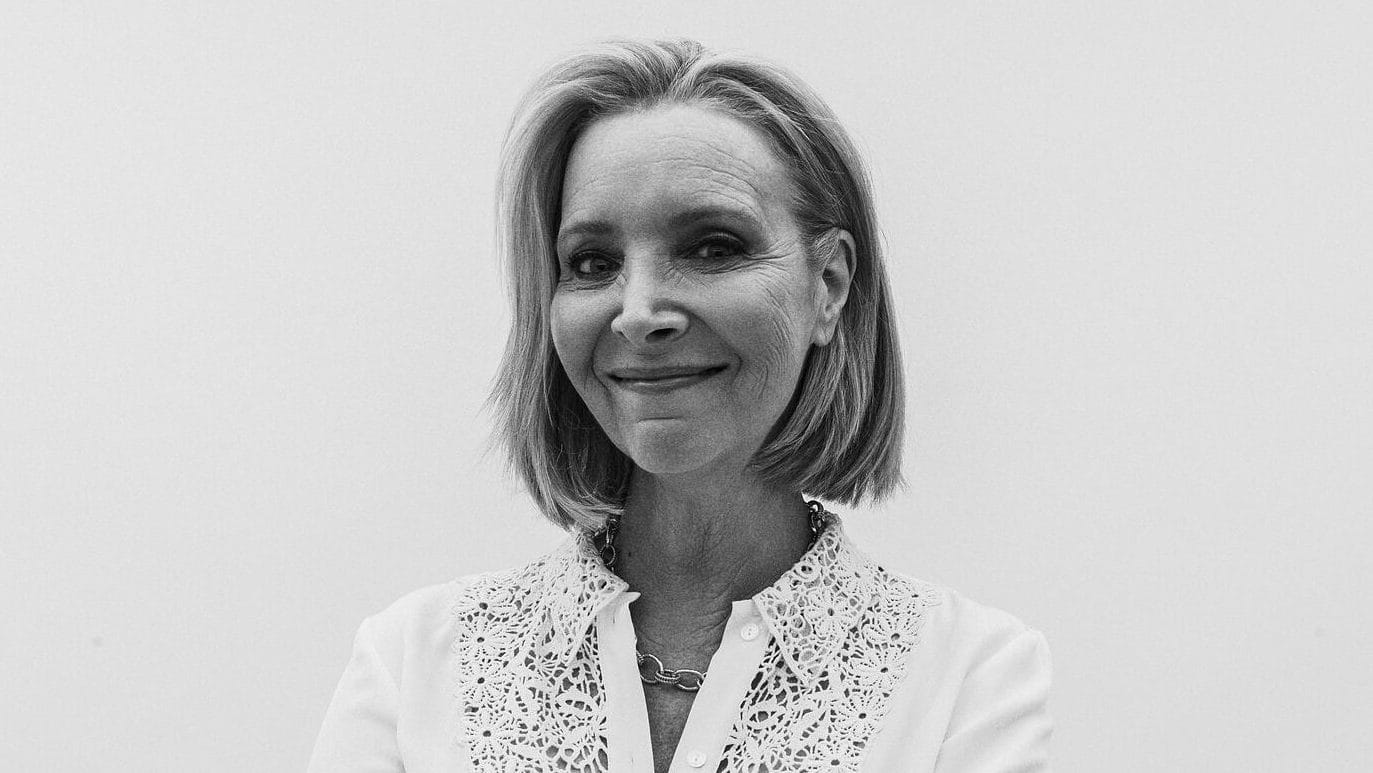
Lisa Kudrow played Phoebe Buffay for 10 years across 236 episodes of Friends. She's now played Valerie Cherish for 21 years across 21 episodes of The Comeback. The math alone tells you something about how prestige television builds characters versus how network sitcoms burn through them.
Kudrow acknowledged the timeline during an appearance at SXSW with the cast and co-creator of HBO's mockumentary series, which returns for its third season after a decade-long gap following its 2014 revival. "Valerie's always there," Kudrow said — a fitting description for a character who has existed in the cultural background for two decades while Phoebe Buffay, despite her ubiquity in syndication and meme culture, remains frozen in 2004.
The difference isn't just about episode count or production schedules. It's about what each format allows an actor to do with a character. Friends required Kudrow to deliver a consistent, repeatable performance 22 times a year for a decade. Phoebe's eccentricity was the joke, and the joke had to land every Thursday at 8 p.m. Valerie Cherish, by contrast, has been allowed to age, fail, recalibrate, and return — not as a punchline but as a study in desperation, resilience, and the specific humiliation of being a woman in Hollywood past her supposed expiration date.
Prestige television's slower production model — fewer episodes, longer gaps between seasons, creative control concentrated in fewer hands — creates space for characters to develop in ways that network television's volume-based economics never could. The streaming wars accelerated this shift, but HBO was building this infrastructure long before Netflix entered the conversation. The Comeback debuted in 2005, was canceled after one season, and returned nine years later because the creative team had something new to say about reality television's evolution. That kind of patience is structurally impossible in network television, where a show either justifies its time slot immediately or gets pulled.
The result is that Kudrow has had more room to explore Valerie's psychology across 21 episodes than she ever had to explore Phoebe's across 236. The Comeback isn't asking Kudrow to be funny every week — it's asking her to be pathetic, calculating, vulnerable, and occasionally triumphant across years-long arcs that reflect actual shifts in the industry. Valerie's first season satirized reality TV's manufactured authenticity. The second season interrogated prestige television's own cruelty through a fictionalized HBO drama that exploited Valerie's real trauma. A third season, arriving in 2026, will presumably have something to say about the creator economy, influencer culture, or whatever new mechanism Hollywood has invented to humiliate aging women on camera.
Network sitcoms don't get to do that. They get six seasons if they're lucky, and those six seasons are spent maintaining a stable formula rather than interrogating it. Friends ended because it had run out of ways to keep the same six people in the same coffee shop without the premise collapsing. The Comeback can return whenever the culture produces a new target worth satirizing. One model is about repetition. The other is about evolution.
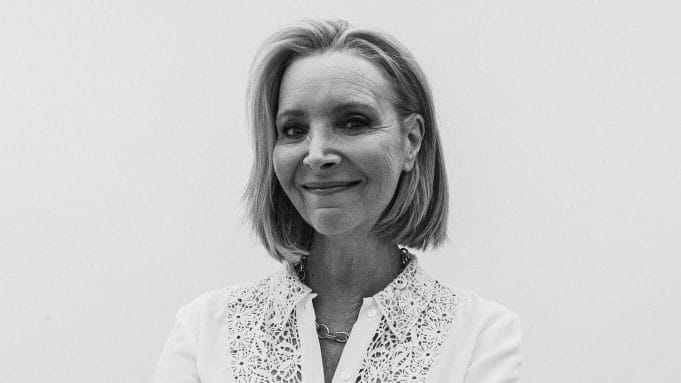
This isn't a value judgment about which show is better — Friends was a cultural juggernaut that defined a generation of television comedy, and Phoebe Buffay is one of the most iconic sitcom characters ever written. But Kudrow's career trajectory illustrates what prestige television's economics allow that network television's don't: the luxury of time, the freedom to fail, and the space to build a character across decades instead of burning through them in a single contract cycle.

Valerie Cherish has outlasted Phoebe Buffay not because she's more beloved or more culturally significant, but because HBO's model doesn't require her to be either. She just has to be worth returning to whenever there's something left to say. That's a structural advantage streaming and prestige platforms have over network television — and it's the reason actors increasingly choose the former when they want to do their best work.