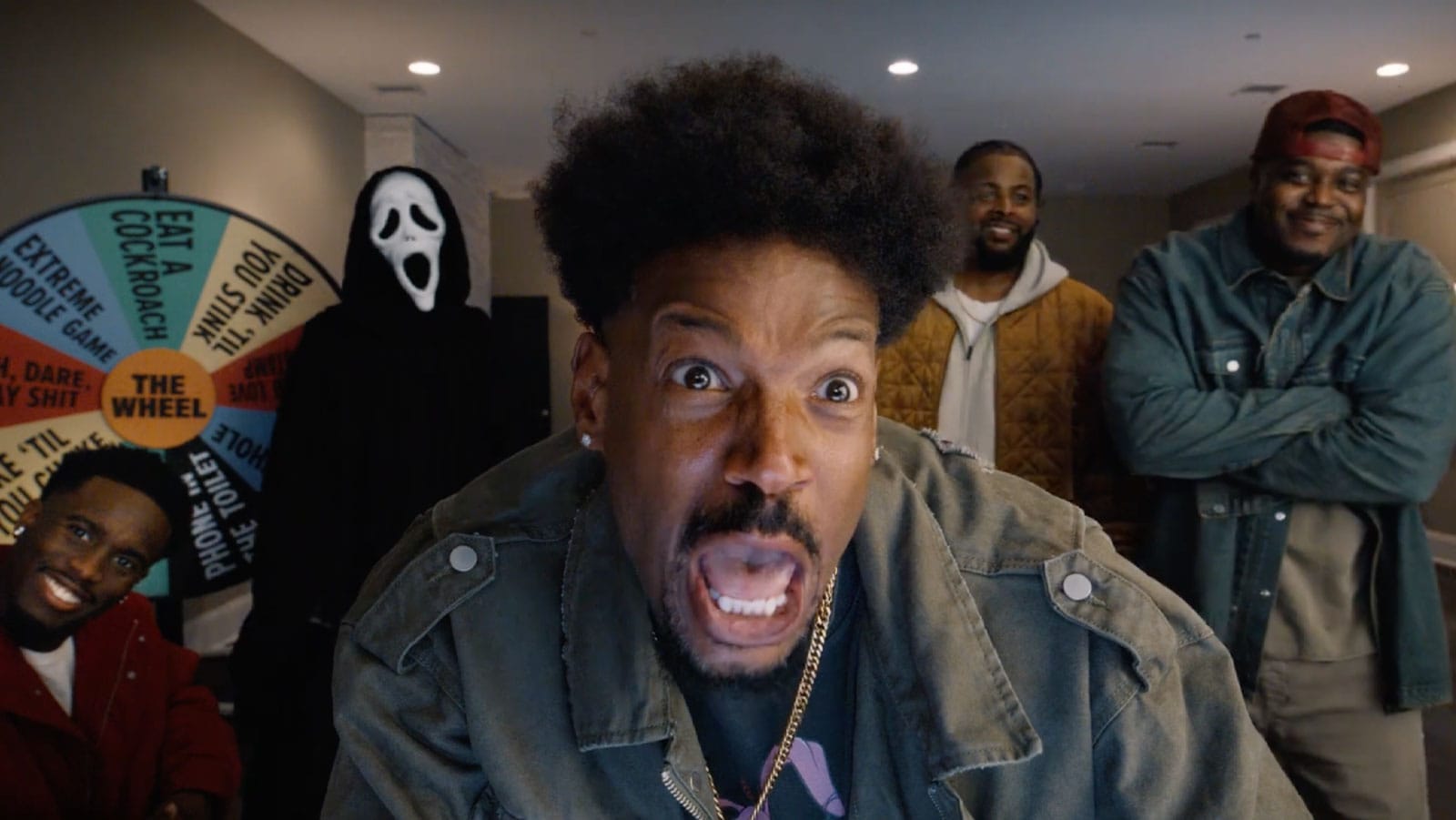
Marlon Wayans is reprising his Shorty Meeks role in Scary Movie 6, and he's doing it with a mission. In a new interview with Deadline, he describes the film as an effort to "cancel the cancel culture" and "bring back laughter," positioning the franchise's return as a corrective to an overly sensitive era. It's a familiar pitch from legacy comedians—nostalgia dressed up as courage—but it reveals something more interesting than Wayans probably intended: the most successful comedy franchises of the 2000s were never actually transgressive. They were just in sync with their moment. And now that moment is over.
The first Scary Movie, released in 2000, grossed $278 million worldwide and launched a franchise that thrived on a specific comedic economy: rapid-fire parody, shock value, and a willingness to go low when everyone else went high. It worked because it was speaking to a cultural moment when irony was the dominant mode, when nothing was sacred and everything was fair game. The Wayans brothers weren't brave for making those jokes—they were reading the room correctly. That's not the same thing as courage. It's just good timing.
Twenty-six years later, the room has moved. Not because audiences lost their sense of humor, but because the mechanics of comedy evolved. What reads as edgy in one era can feel lazy in another. The issue isn't that certain jokes are now off-limits—it's that they require more skill to land. Shock value alone isn't enough anymore. The best contemporary comedy doesn't avoid discomfort; it earns it. That's a higher bar, not censorship.
Wayans' framing—"cancel the cancel culture"—suggests the problem is external: a humorless audience, a timid industry, a culture that forgot how to laugh. But that diagnosis conveniently ignores the more uncomfortable possibility: that the comedy itself might need updating. The original Scary Movie films relied heavily on homophobic gags, body shaming, and racial stereotypes played for shock. Some of that material was sharp. Much of it was hacky even then. The question isn't whether those jokes should be "allowed"—it's whether they're still funny, and whether a franchise built on them can evolve without losing what made it appealing.
The irony of Wayans positioning himself against "cancel culture" is that he's adopting the pose of the outsider when he's actually part of the establishment trying to recapture a market that's moved on. The collapse of the monoculture has fragmented comedy itself. What plays as hilarious to one audience can feel dated or offensive to another—not because one group is right and the other is wrong, but because comedy is contextual. The Wayans built their careers on understanding that context. The problem now is that they're mistaking their own nostalgia for cultural analysis.
There's also an economic angle here that the "cancel culture" narrative obscures. Scary Movie 6 isn't being made because Hollywood suddenly found its courage. It's being made because legacy IP is safer than original ideas, and because studios believe there's still an audience hungry for the comedy of the early 2000s. That audience exists—but it's not clear how large it is, or whether it's growing or aging out. The film is being positioned as multi-generational, which suggests an awareness that nostalgia alone won't fill theaters. But grafting contemporary references onto a 2000s comedic sensibility is a tricky balance. It can feel less like cultural commentary and more like a museum exhibit.
The broader question is whether "bringing back laughter" is even the right goal. Comedy didn't go anywhere. It splintered. The comedians thriving now—on streaming specials, podcasts, TikTok—aren't the ones complaining about what they can't say. They're the ones figuring out what's funny in 2026. They're not ignoring cultural shifts; they're mining them for material. The best comedy has always been a conversation with its moment, not a lecture about how things used to be.
Wayans has every right to make the movie he wants to make. But framing it as an act of resistance against an overly sensitive culture is a marketing strategy, not a creative one. It's designed to generate press, spark debate, and position the film as a flashpoint in the culture wars. That might work as promotion. It won't make the jokes land. Comedy doesn't survive on defiance. It survives on timing, precision, and an understanding of the room. If Scary Movie 6 works, it won't be because it ignored what changed. It'll be because it figured out how to be funny anyway.

The franchise has an opportunity here—not to relitigate the past, but to prove that parody can evolve. Horror has changed dramatically since 2000. So has celebrity culture, so has the internet, so has the way we consume media. There's plenty of material. The question is whether the film will engage with it or just complain that the audience isn't laughing at the same jokes anymore.
What Wayans is really asking for is a return to a time when his style of comedy was the default. That time is over. The audience didn't leave. They just have more options now. And the comedians who understand that aren't worried about cancel culture—they're too busy writing jokes that work.
For more, see the death of monoculture and why everyone is a network now.