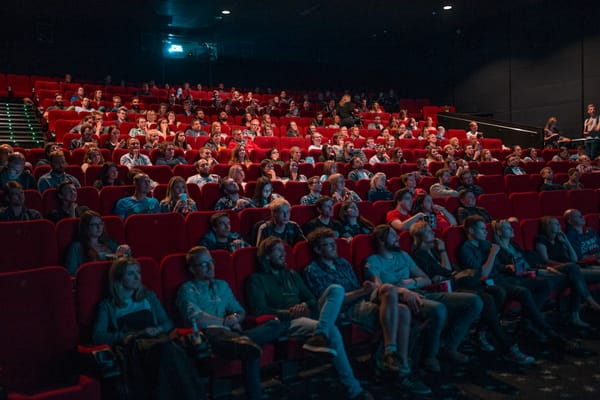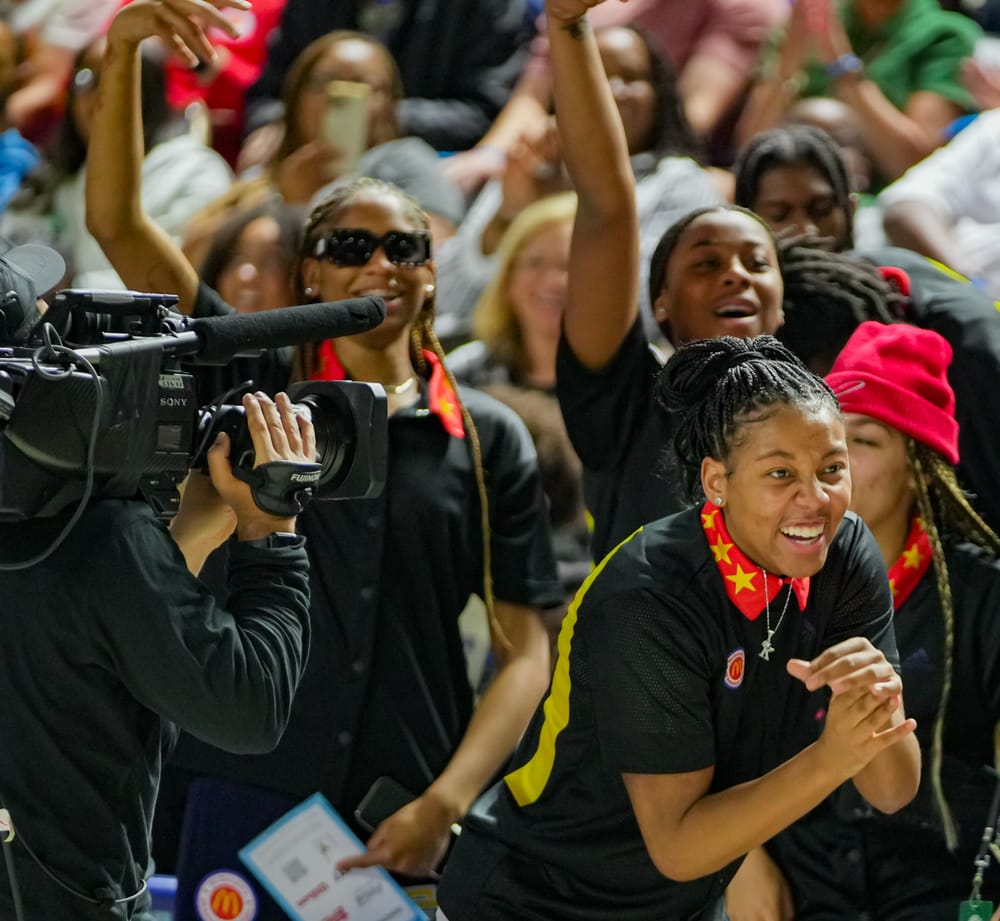
McDonald's has been running the McDonald's All-American Game — an annual high school basketball showcase — since 1977. Nearly five decades of history, featuring players who became household names: Michael Jordan, LeBron James, Kobe Bryant. That's a real archive. Real footage. Real cultural weight. And on Thursday, according to Variety, McDonald's is turning that archive into a feature-length documentary called "Meal Ticket," releasing on Amazon Prime Video.
This isn't a commercial. It's not even branded content in the traditional sense. It's a documentary — with all the prestige packaging that term implies — distributed on one of the world's largest streaming platforms. And it represents something more significant than one brand's marketing evolution: it's evidence that corporations have figured out how to bypass the skepticism audiences have built toward traditional advertising by funding the kind of storytelling that looks, sounds, and feels like independent journalism or cultural criticism.
The strategy is straightforward. McDonald's controls decades of sports footage that happens to feature some of basketball's most iconic figures at the beginning of their careers. That footage has inherent value — not because McDonald's made those players great, but because those players happened to pass through an event McDonald's sponsored. The documentary format allows the brand to frame that coincidence as stewardship, even legacy. The audience gets a basketball history lesson. McDonald's gets to position itself as a cultural institution rather than a fast-food chain.
What makes this work is distribution. Amazon Prime Video is not YouTube. It's not McDonald's own website. It's a premium streaming platform where viewers go to watch prestige television, award-winning films, and critically acclaimed documentaries. Placing "Meal Ticket" there — rather than airing it as a TV special or releasing it on social media — lends it legitimacy. The implicit message: if Amazon is hosting this, it must be worth watching. The viewer's guard drops. The brand disappears into the background of what feels like real storytelling.
This is not the first time a brand has funded documentary content, but the scale and placement matter. Prime Video has spent the last several years treating its platform as premium real estate, and McDonald's is renting that credibility. The transaction benefits both parties: Amazon gets content that will likely perform well with sports fans and nostalgia-driven viewers, and McDonald's gets to associate itself with the kind of storytelling that audiences trust.
The broader pattern here is that brands have realized traditional advertising has lost its persuasive power. Audiences skip pre-roll ads, pay for ad-free tiers, and have developed finely tuned filters for corporate messaging. The response from marketers has been to stop making ads that look like ads. Instead, they're funding long-form content that mimics the editorial voice of independent media — documentaries, podcasts, editorial series — and distributing it through platforms that audiences already trust.
What's tricky is that this content often is good. "Meal Ticket" probably will be a compelling watch for basketball fans. The footage is real. The history is real. The players are real. The only thing that's engineered is the framing — the decision to tell this story now, in this format, with McDonald's positioned as the protagonist rather than the sponsor. That's not lying, exactly. But it's not transparency either.
The accountability question becomes harder to answer when the content is genuinely informative or entertaining. If a viewer learns something real about basketball history, does it matter that McDonald's funded the production? If the documentary includes critical perspectives or acknowledges the commercial nature of the event, does that absolve the brand of manipulating the narrative? These are not rhetorical questions. They're the exact tensions that make this strategy so effective — and so difficult to critique without sounding cynical.
The larger issue is that streaming platforms have become the new gatekeepers of what counts as legitimate storytelling, and they're increasingly willing to let brands through the gate as long as the content meets a certain production standard. Netflix has made similar moves, treating content libraries as assets that can be monetized in partnership with outside entities. The line between editorial content and branded content is not disappearing — it's being redrawn in ways that favor corporate storytelling as long as it's polished enough.
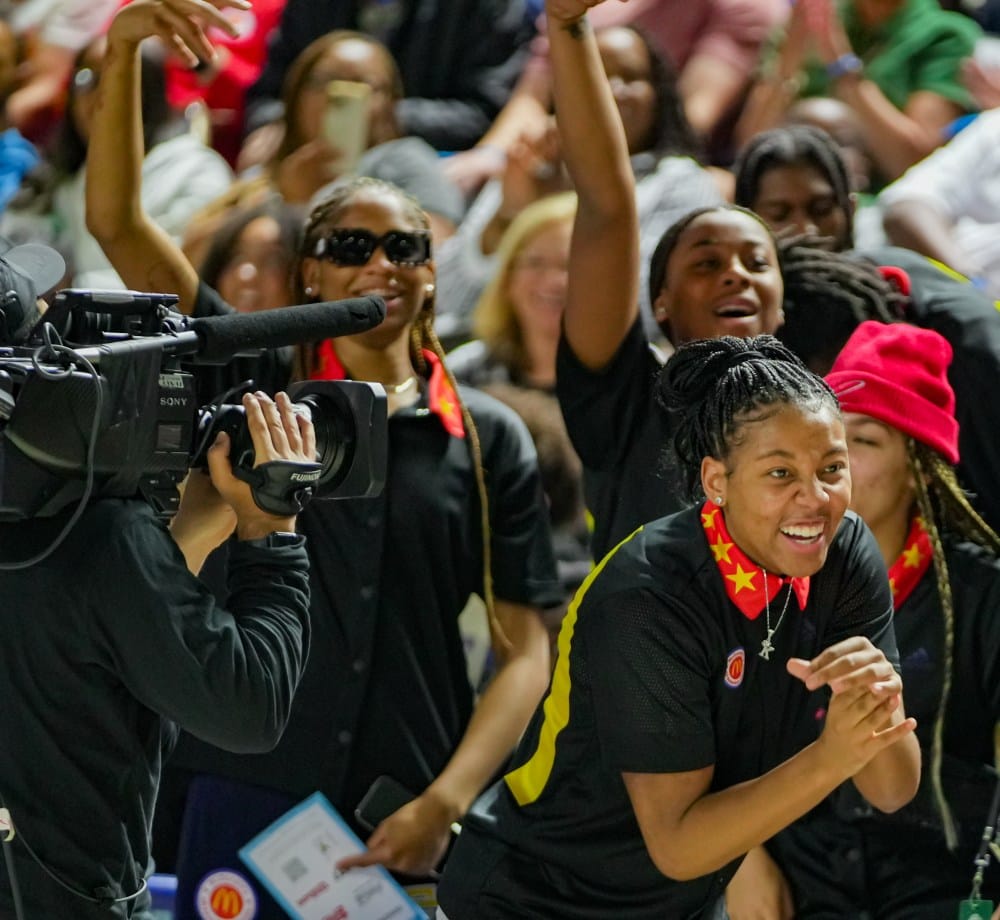
What McDonald's has done with "Meal Ticket" is solve a problem that traditional advertising could never crack: how to make people voluntarily spend 90 minutes thinking about your brand without feeling sold to. The answer is to make something that doesn't feel like marketing, distribute it somewhere that doesn't feel like an ad platform, and let the audience come to you. The brand strategy is sophisticated enough to hide inside a basketball documentary.
The risk for audiences is that this model makes it harder to distinguish between storytelling that exists to inform or entertain and storytelling that exists to build brand equity. Both can be true at the same time, but only one is being transparent about its purpose. As more brands follow McDonald's lead — and they will, because this model works — the cultural landscape becomes crowded with content that serves dual purposes, and the viewer is left to figure out which purpose matters more.
The uncomfortable truth is that McDonald's probably didn't need to make this documentary to sell hamburgers. But they did need to make it to remain culturally relevant as brands compete to be more than just products. "Meal Ticket" is McDonald's way of saying: we're not just fast food, we're part of basketball history. Whether that's true depends on how much credit you're willing to give a corporation for writing the check.