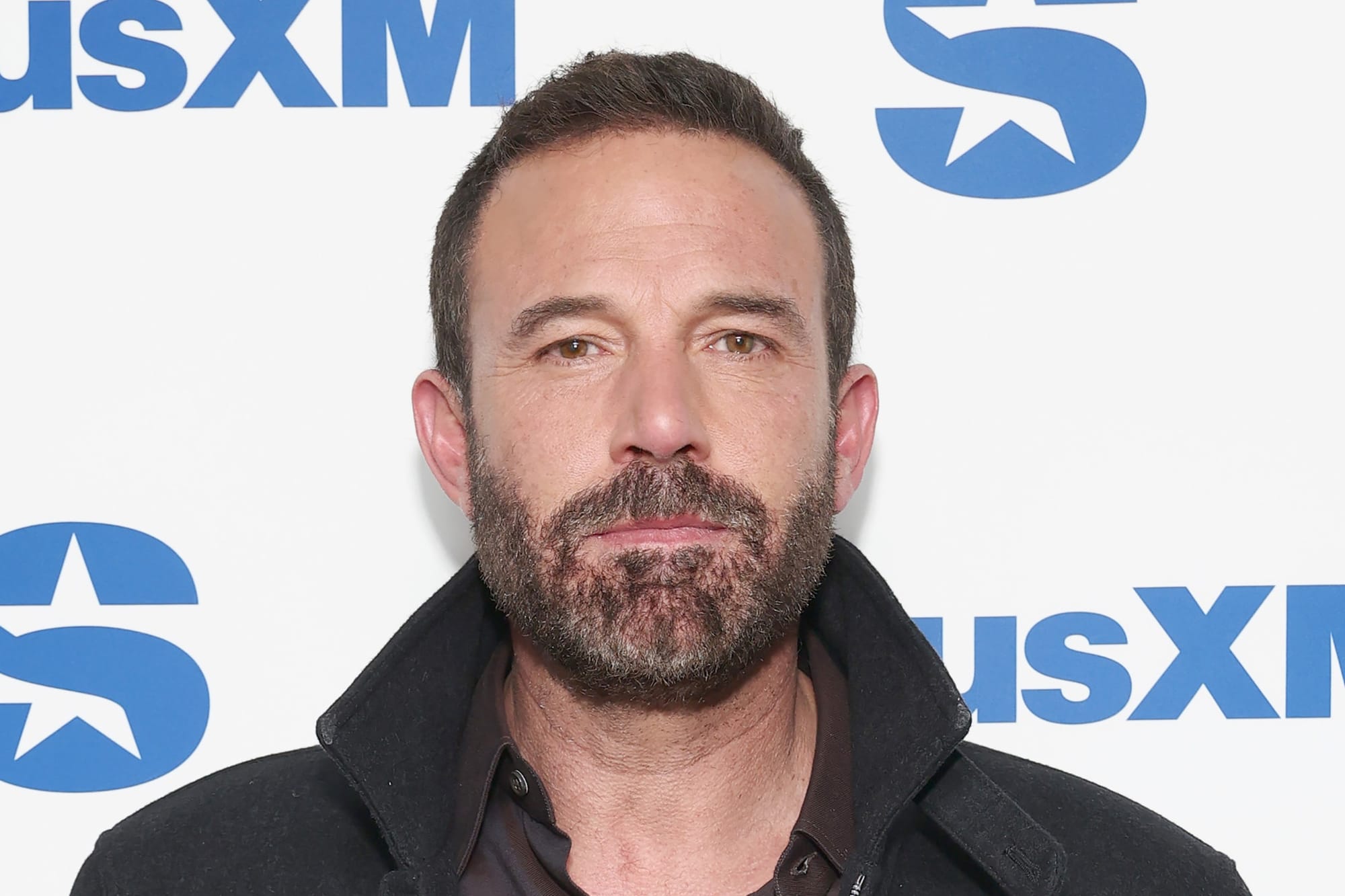
Ben Affleck founded InterPositive less than two years ago. The company builds AI tools for filmmakers — pre-visualization software, production workflow automation, script breakdown systems that turn months of manual labor into algorithmic output. According to Bloomberg, Netflix is now prepared to pay up to $600 million to acquire it, contingent on performance targets. That number would make InterPositive one of the largest acquisitions in Netflix's history — and one of the strangest.
Netflix didn't get here by buying production tools. It got here by licensing libraries, then commissioning originals, then outbidding everyone for Ryan Murphy and Shonda Rhimes. The company built a content empire on the assumption that exclusive programming was the only moat that mattered. But the InterPositive deal suggests Netflix has started betting on a different theory: that owning the means of production matters more than owning what gets produced.
The shift makes sense when you look at what Netflix has spent the last three years trying to solve. The company hemorrhaged cash building a content library large enough to justify subscription prices in every market on earth. It worked — Netflix has 283 million subscribers. But the economics never stabilized. Content costs kept rising. Hit shows didn't guarantee retention the way the company expected. Licensing deals expired. Rival studios pulled their libraries to build competing platforms. Netflix kept spending, but the spending never translated into durable competitive advantage.
InterPositive offers something different: infrastructure advantage. If Netflix owns the tools that make production faster and cheaper, it doesn't need to outbid rivals for talent. It just needs to make its own production pipeline more efficient than anyone else's. A studio that can produce a season of television for 30 percent less than its competitors doesn't need better shows — it needs volume. And volume is what algorithmic production tools enable.
This is where Affleck's Hollywood credibility becomes useful. InterPositive isn't some faceless enterprise software company. It's a filmmaker's toolkit built by someone who understands what directors actually need on set. That narrative cover matters. Netflix isn't buying cold automation software that replaces human labor — it's buying tools that help creatives work smarter. The framing is strategic. Hollywood is already anxious about AI replacing writers, actors, and crew. A $600 million acquisition of software that "empowers filmmakers" is easier to justify than one that openly replaces them.
But the business case doesn't require replacing anyone. It just requires making production cheaper and faster at scale. Netflix released over 500 original titles last year. If InterPositive's tools shave 10 percent off the cost of each one, the acquisition pays for itself in under three years. If the tools let Netflix produce 20 percent more content with the same budget, the math gets even better. The company isn't buying InterPositive to make better shows. It's buying it to make more shows, cheaper.
That strategy aligns with where streaming economics have been heading since the subscriber growth slowdown hit in 2023. Netflix can't grow its way out of content costs anymore. It has to optimize. The pivot from "prestige originals at any cost" to "efficient content production at scale" has been happening quietly for two years — more international productions, more unscripted programming, more genre fare that doesn't require A-list budgets. InterPositive accelerates that shift by turning production itself into a proprietary advantage.
The deal also exposes something uncomfortable about the future of streaming competition. If Netflix owns the production tools, it effectively owns a layer of infrastructure that other studios will need to license or replicate. That's a different kind of leverage than exclusive content. A hit show is valuable until the audience moves on. A production tool that makes every show cheaper is valuable as long as people keep making shows. Netflix isn't just buying a startup — it's buying a potential tollbooth.
There's a broader pattern here. The companies that dominate media industries tend to own infrastructure, not just content. Spotify doesn't just license music — it owns the distribution platform. YouTube doesn't just host videos — it owns the recommendation algorithm that determines what gets seen. Netflix started as a content platform, but the InterPositive acquisition suggests it's trying to become a production platform. The question is whether Hollywood will accept that shift or fight it.
Affleck's involvement complicates the politics. He's not a tech founder trying to disrupt Hollywood from the outside. He's an insider building tools for other insiders. That makes InterPositive harder to vilify than a pure Silicon Valley play. But it doesn't change the underlying dynamic. If Netflix controls the tools that make production cheaper, it controls the terms on which independent studios and production companies can compete. That's leverage, no matter how it's packaged.
The $600 million figure is also worth examining. That's not a speculative bet on a nascent technology. It's a valuation that assumes InterPositive's tools are already generating significant value — or that Netflix expects them to very soon. The performance-based structure suggests Netflix is paying for measurable cost savings, not vague innovation. The company isn't buying a research lab. It's buying a functional system that it plans to deploy across its entire production slate.
What Netflix is really purchasing is optionality. If AI production tools become industry-standard infrastructure, Netflix owns the best version of them. If Hollywood rejects AI tools as a threat to labor, Netflix still owns software that makes its own productions more efficient. If regulators or guilds impose restrictions on AI in production, Netflix has already locked in its advantage before the rules get written. The deal is a hedge against multiple futures, all of which involve production costs mattering more than they used to.
The InterPositive acquisition won't be the last move like this. Every major studio is looking at production costs and realizing the old model doesn't work anymore. The question is whether they'll build their own tools, license Netflix's, or try to compete without them. Netflix is betting that owning the infrastructure gives it a head start nobody else can match. It's also betting that the future of streaming isn't about who has the best shows — it's about who can make the most shows, fastest, for the least money. That's a different game than the one Hollywood thought it was playing.