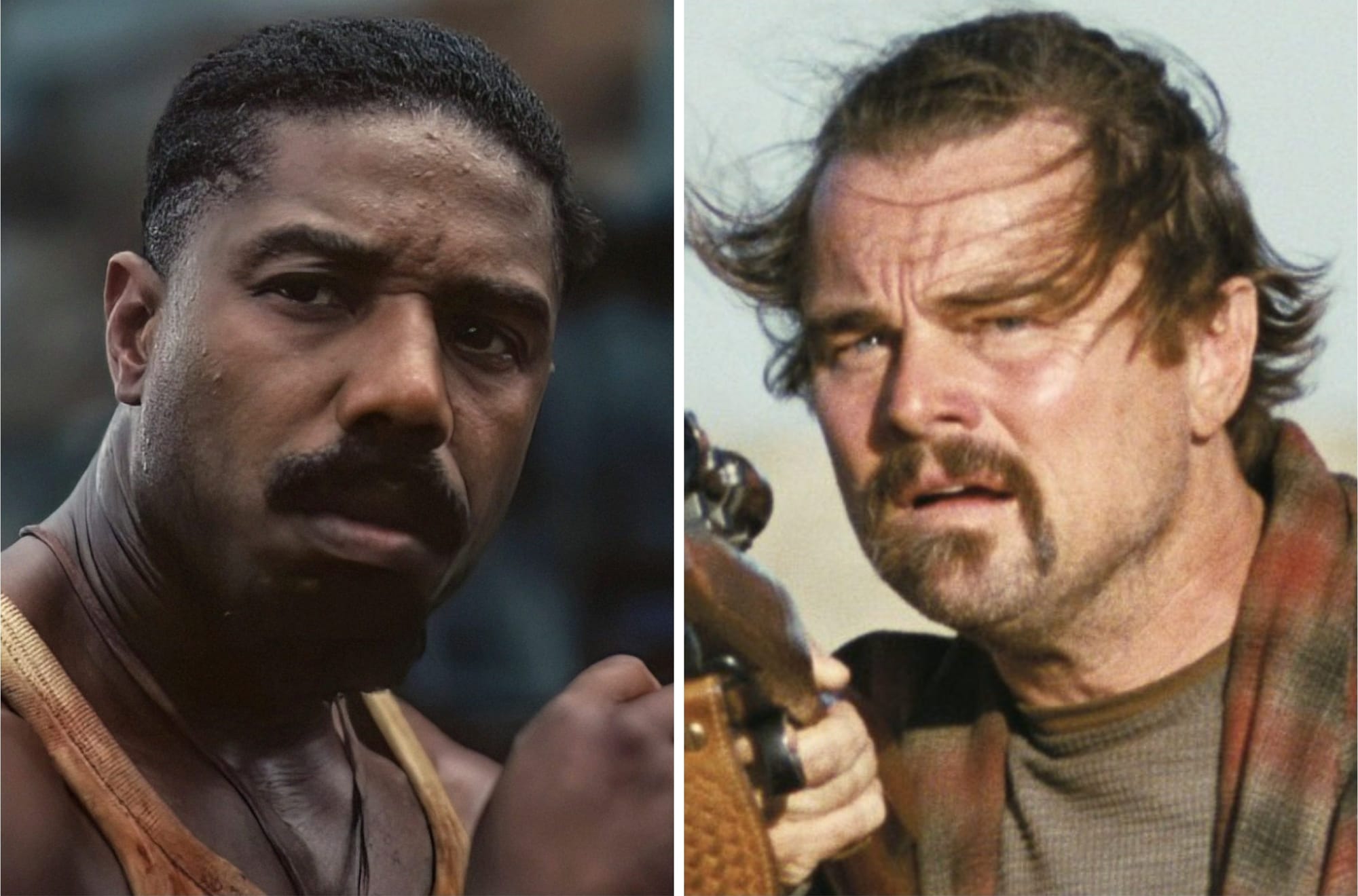
Somewhere in Los Angeles, an Academy member closes their laptop after submitting their final Oscar ballot and immediately types out a justification for why they ranked One Battle After Another first. They don't send it to the Academy. They send it to Variety, where it will be published anonymously alongside a dozen other voters explaining their choices in language that sounds less like film criticism and more like divine proclamation. One voter quotes The Lord of the Rings to describe the emotional weight of closing their ballot. Another frames their vote as a moral imperative. A third treats their ranking like they're selecting the next pope, not the year's best film.
This is the annual Oscar ballot ritual: voters leak their choices under the cover of anonymity, publications run them as exclusive content, and the industry pretends this is transparency rather than theater. The mystique of the Oscars depends on sealed envelopes and silent voters, but every season, the ballots speak. And what they reveal is that the Academy still sees itself as custodians of cultural mythology, not evaluators of craft.
The language in these anonymous ballots is telling. Voters don't just say they preferred one film over another. They frame their choices as acts of cultural stewardship, moral clarity, or emotional destiny. A voter who ranks Sinners first doesn't just cite its technical achievement or narrative ambition—they describe it as a film that "demands" recognition, as if the Academy's role is to answer cinema's call rather than assess its merits. Another voter describes their ballot as reflecting "what the industry needs right now," treating their vote as strategic intervention rather than personal judgment.
This isn't how criticism works. It's how myth-making works. The Oscars have always existed in the space between artistic recognition and industry branding, but the anonymous ballot phenomenon reveals how voters internalize that tension. They're not just voting for the best film—they're voting for the story they want to tell about what the Academy values, what Hollywood needs, and what cinema should be. The vote becomes less about the work and more about the narrative.
The business logic here is straightforward. Anonymous ballots generate coverage during the final stretch of Oscar season, when the campaigns have exhausted their budgets and the news cycle needs fresh content. Publications get exclusive insider access without accountability. Voters get to explain their choices without attaching their names to potentially controversial positions. The Academy gets weeks of sustained media attention framed as democratic transparency. Everyone wins except the films, which get reduced to symbols in a larger cultural argument.
What's striking about this year's anonymous ballots, according to Variety's reporting, is how voters frame the choice between One Battle After Another and Sinners as a referendum on what the Academy should represent. One voter describes One Battle After Another as "the kind of film the Academy used to reward," positioning their vote as a return to tradition. Another voter frames Sinners as "the future of American cinema," treating their ballot as a progressive gesture. Both voters are making the same mistake: they're voting for what the Academy should be, not what the films actually are.
This pattern shows up across the anonymous ballot coverage every year. Voters treat the Best Picture race like it's a statement about the industry's values rather than an assessment of the year's work. They rank films based on what those films represent—about race, about genre, about the future of theatrical exhibition—rather than how well they execute their vision. The result is that the Oscars become a referendum on Hollywood's self-image, and the films become proxies in an argument they didn't necessarily ask to be part of.
The accountability lens here is sharp. Anonymous ballots allow voters to make sweeping claims about artistic merit without putting their names behind those claims. A voter can declare that a film "changed cinema" without having to defend that position in public. They can dismiss a film as "not Oscar material" without explaining what that phrase actually means. The anonymity protects the voter, but it also shields the Academy from having to reckon with the biases, assumptions, and strategic calculations that shape its choices.
The cultural pattern this reveals is bigger than the Oscars. Across the entertainment industry, decision-makers increasingly frame their choices as moral or cultural imperatives rather than business or artistic judgments. Streaming platforms don't just cancel shows—they talk about "serving underrepresented audiences." Studios don't just greenlight franchises—they describe them as "expanding the cinematic universe." And Oscar voters don't just rank films—they position their ballots as acts of cultural stewardship. The language elevates the decision, but it also obscures the actual criteria being used.
What the anonymous ballot ritual ultimately shows is that the Academy still hasn't reconciled what it wants to be. Is it a professional organization assessing craft? A cultural institution shaping the canon? A trade group protecting its members' interests? A progressive force pushing the industry forward? The ballots suggest it's trying to be all of these things at once, and the result is a voting body that treats every Best Picture race like it's deciding the future of cinema rather than recognizing the best film of the year.
The irony is that the films themselves—One Battle After Another, Sinners, and the rest of this year's contenders—are specific, singular works with their own artistic ambitions. They're not symbols. They're not referendums. They're films. But the anonymous ballot coverage strips them of that specificity and turns them into talking points in a larger argument about what the Oscars should mean. The voters aren't evaluating the work. They're casting their ballots in a story they're telling themselves about who they are.
When Oscar voting closes and the ballots are sealed, the Academy likes to talk about the integrity of the process. But the anonymous ballot ritual reveals the opposite: a voting body that treats its choices as mythology rather than meritocracy, and an industry that would rather perform transparency than practice it. The envelopes may be sealed, but the story the voters are telling is already written. They're not voting for the best film. They're voting for the film that lets them believe they're still the ones deciding what matters.
For more, see the death of monoculture and how the streaming wars actually work.