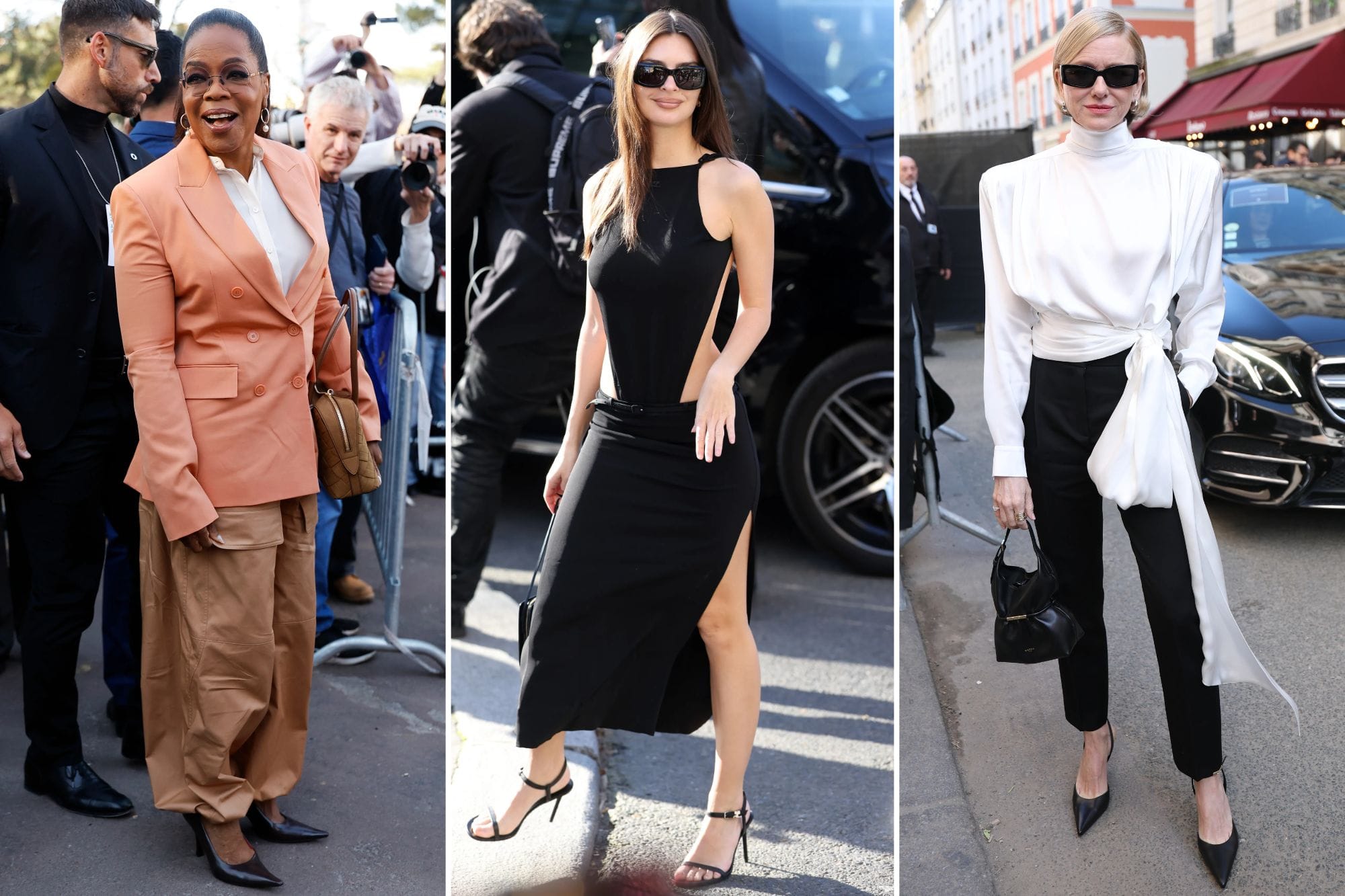
Oprah Winfrey sat front row at a Paris Fashion Week show in March 2026, according to Page Six. So did Emily Ratajkowski. The usual suspects filled the usual seats—the photographers knew exactly where to aim, the brands got their Instagram moments, and the fashion press filed their coverage. Another season, another parade of famous faces in front of expensive clothes.
But the front row isn't just about who showed up. It's about who got invited, and why. Fashion Week attendance has become one of the cleanest maps we have of celebrity market value—a twice-yearly audit of who still moves the needle and who's slipping off the brand radar entirely.
Brands don't fly people to Paris for vibes. They do it because those faces move product, generate press, or signal something specific about the brand's aspirational identity. Every seat is a calculated investment with an expected return: Instagram impressions, TikTok traction, editorial coverage, and the halo effect of association. The front row has always been transactional, but the math has gotten more legible. Publicists can now track engagement rates in real time. Brands know exactly what a celebrity's attendance is worth before the plane lands.
Oprah's presence at a luxury show isn't just a photo op. It's a statement about multigenerational reach and cultural authority that transcends the algorithm. She represents something brands can't manufacture through paid partnerships: decades of trust, a built-in audience that spans demographics, and the kind of mainstream legitimacy that makes luxury feel accessible without cheapening it. When Oprah sits front row, the brand is buying credibility with an audience that doesn't follow fashion influencers.
Ratajkowski, meanwhile, represents a different calculus entirely. She's social media fluency, a specific kind of downtown credibility, and the ability to make a dress trend before the show even ends. Her value isn't in her longevity—it's in her immediate conversion rate. The dress she wears will be screenshotted, reposted, and replicated by fast fashion brands within hours. That's a measurable ROI in a way Oprah's presence never will be.
The brands know this. The seating chart isn't random—it's strategic segmentation. Legacy celebrities anchor the cultural legitimacy. Social media natives drive the digital reach. Actors signal prestige. Musicians bring cool. Models remind everyone this is still about fashion. Each category serves a function, and the mix reveals what the brand thinks it needs most right now.
Tinsel has covered how legacy brands court Gen Z without losing their core identity, and the Paris front row is where that strategy plays out in real time. When a heritage house seats a TikTok creator next to a Hollywood veteran, it's not just mixing demographics—it's testing whether the brand can hold both audiences simultaneously. Who sits where, and next to whom, is a seating chart of cultural capital.
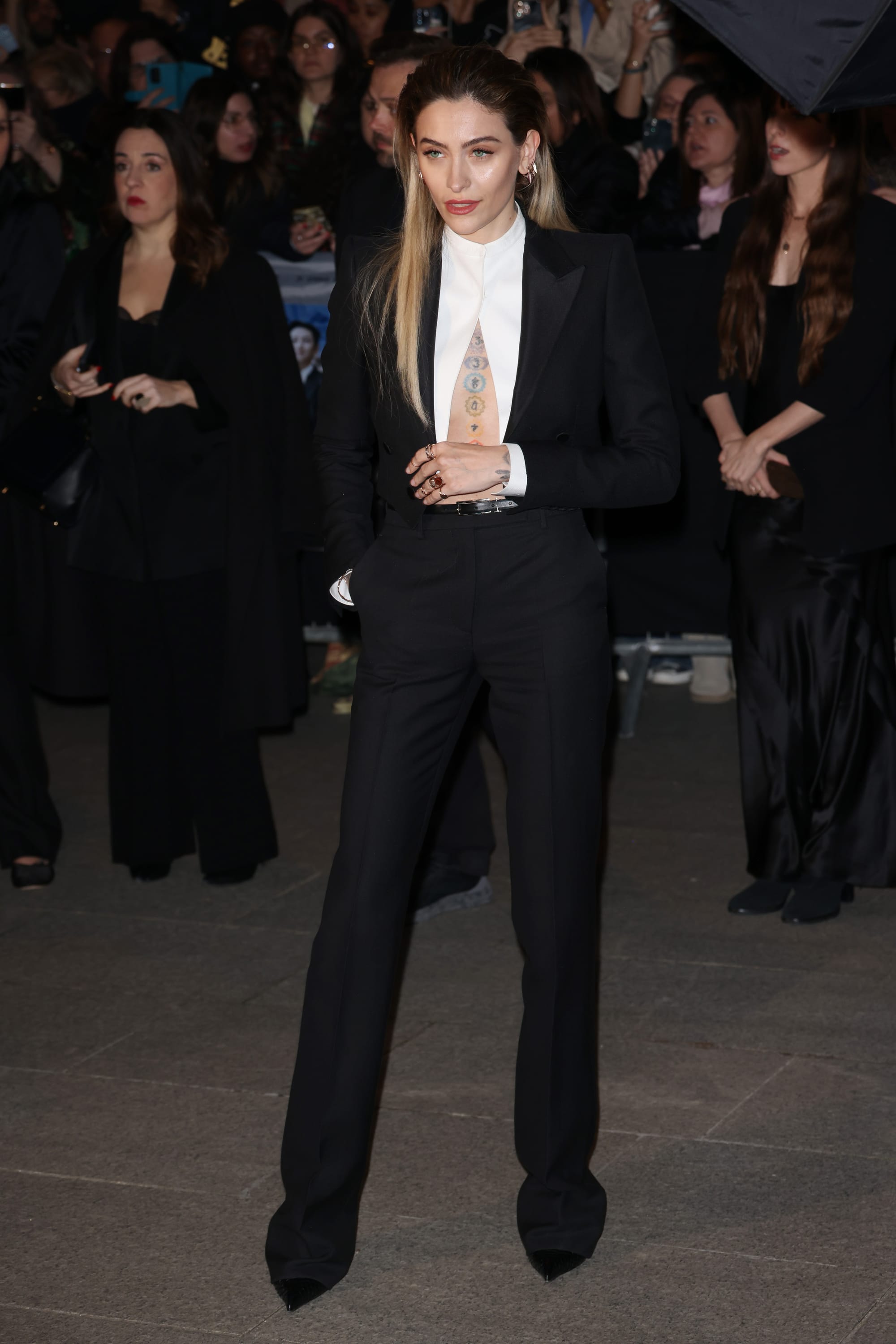
The front row also functions as a real-time referendum on celebrity staying power. The celebrities who were front row fixtures five years ago but are now relegated to second or third rows—or absent entirely—tell you everything about how quickly cultural relevance can evaporate. Fashion brands are unsentimental about this. They'll drop a celebrity the moment the data shows diminishing returns, regardless of past relationships or loyalty.
This is why Fashion Week attendance has become such a reliable indicator of who's actually bankable. Film box office can be blamed on bad scripts or poor marketing. Album sales can be blamed on streaming economics or label support. But a Fashion Week invitation is pure market value. The brand looked at the numbers and decided this person was worth the investment. When the invitations stop coming, it's because the numbers changed.
The system has become more sophisticated as the metrics have gotten more precise. Brands now have access to granular data about engagement rates, audience demographics, and conversion tracking that didn't exist a decade ago. They know not just how many people saw a celebrity's post, but how many clicked through, how long they stayed on the brand's site, and whether they made a purchase. The front row is increasingly populated by celebrities who can prove their value in spreadsheets, not just editorial coverage.
This creates a strange dynamic where the most culturally significant celebrities aren't always the most valuable to brands. An actor with critical acclaim and awards might generate less measurable ROI than an influencer with a loyal niche following and high engagement rates. The front row reflects this tension—prestige and performance metrics don't always align, and brands have to decide which one matters more for their specific positioning.
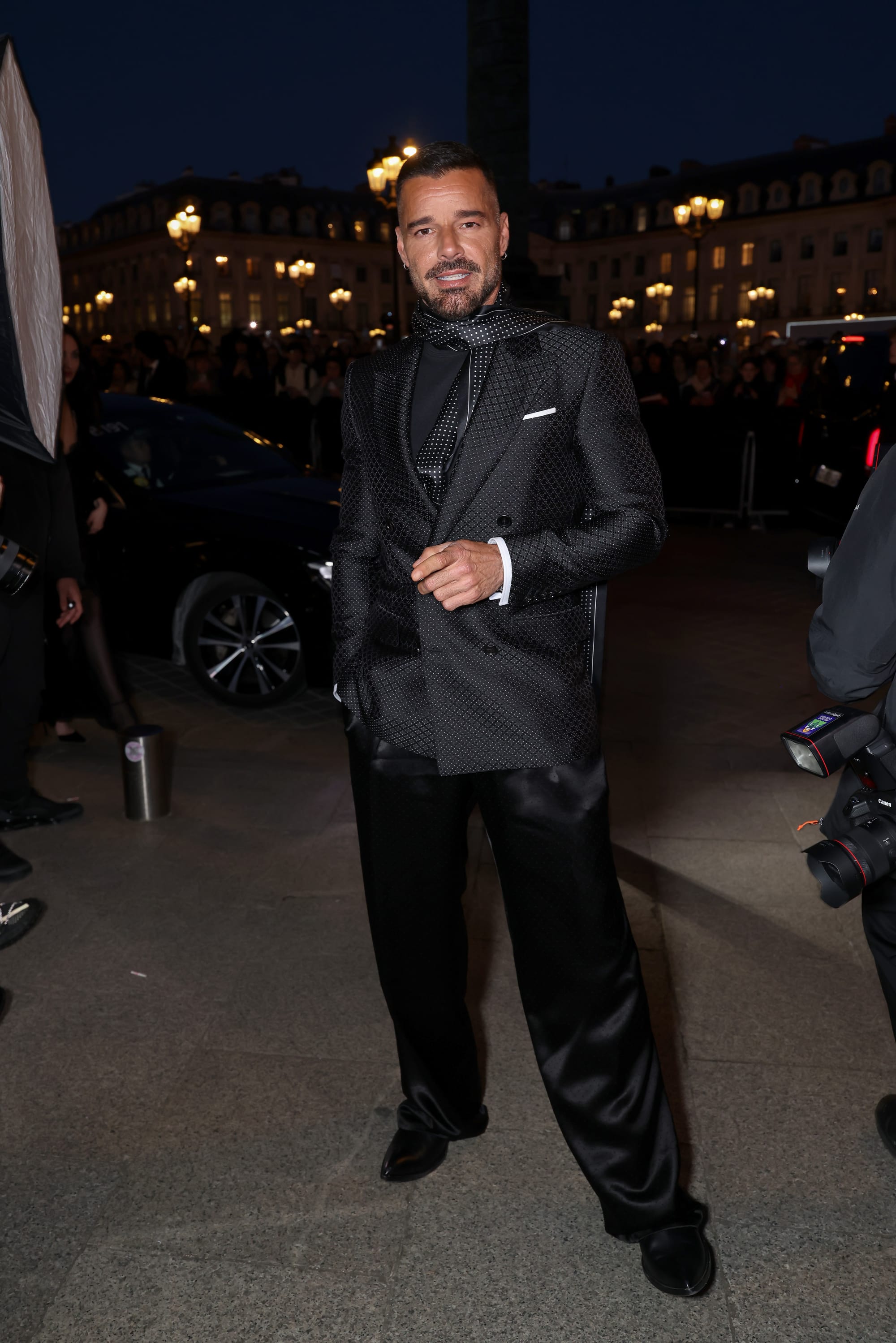
What's striking about the March 2026 shows is how little has changed in the fundamental calculus. The faces rotate, the platforms evolve, the metrics get more sophisticated—but the basic transaction remains the same. Brands buy access to audiences through celebrity proximity. Celebrities leverage their market value into luxury experiences and brand partnerships. The front row is where both sides come to the table and negotiate their worth in public.
The question isn't whether celebrities still matter to luxury brands. It's which ones do, and for how long. The front row tells you who passed the test this season. Check back in six months to see who's still there.
For more, see The Bride premiere’s gothic glamour on the red carpet and Miyako Bellizzi and the Safdie aesthetic.