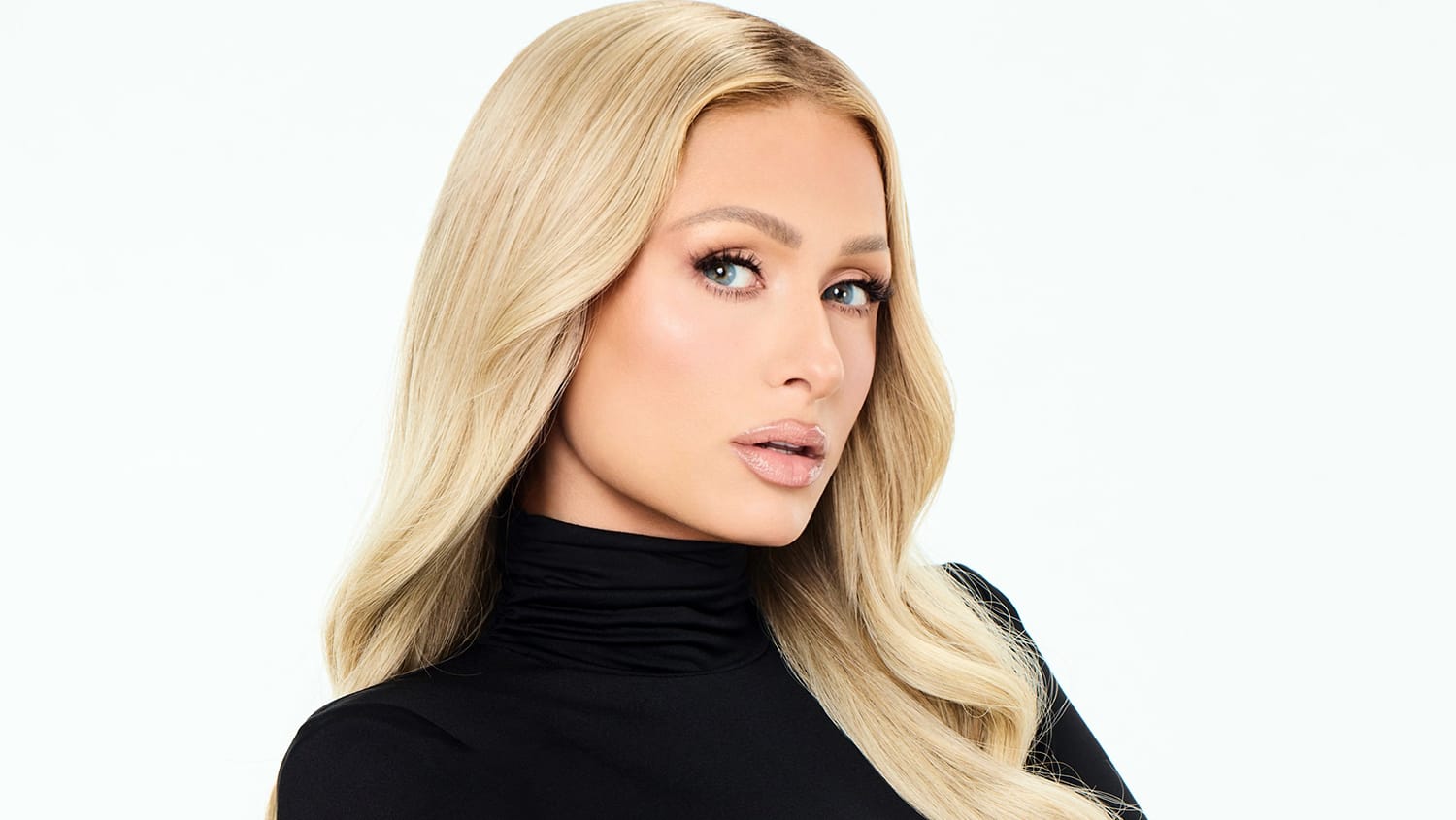
Paris Hilton is joining Amazon MGM Studios' holiday comedy Clashing Through the Snow opposite Christopher Briney, Michelle Randolph, and Lukas Gage, according to Deadline. The project — billed as a Planes, Trains and Automobiles for today's generation — has one particularly revealing detail: Hilton will play "a stylized version of her pop culture person self." Not a character. Not a role that requires her to disappear into someone else's story. Her brand, polished and packaged, inserted directly into the narrative.
That casting note is the entire strategy. Hilton isn't the first reality star to cross into scripted content, but she's part of a pattern that's become undeniable: streaming platforms have realized that reality television's biggest names are more valuable as themselves than as actors. The audience isn't tuning in to see Paris Hilton play a character — they're tuning in to see Paris Hilton exist in a fictional universe that accommodates her established persona. It's a different value proposition than traditional casting, and it's one that streaming services have leaned into hard, particularly in seasonal content where the stakes are lower and the volume is higher.
Holiday rom-coms have become the entry point because they're designed to be low-risk, high-output content. They don't require awards-caliber performances or complex character arcs. They require recognizable faces, cozy aesthetics, and enough narrative momentum to justify 90 minutes of runtime. Reality stars — especially those who've spent years refining a public persona that's both aspirational and accessible — fit that brief perfectly. Hilton's casting follows a blueprint that's already been proven by Lindsay Lohan's Netflix holiday movies, which became some of the platform's most-watched seasonal content despite (or because of) their formulaic plotting and nostalgic star power. The difference is that Lohan is playing characters. Hilton is playing Hilton.
This isn't just about individual casting decisions. It's about how streaming platforms are building out their seasonal libraries. Traditional studios treated holiday content as a niche category — Hallmark's domain, with a few theatrical releases sprinkled in. Streaming platforms treat it as infrastructure. Netflix, Amazon, and others need hundreds of hours of content to fill out their holiday sections, and they need it to feel fresh enough to justify the subscription while familiar enough not to alienate the audience. Reality stars solve that problem. They bring built-in audiences, social media reach, and a persona that requires no explanation. They're plug-and-play content anchors.
The business logic is airtight. Hilton has spent the past few years rebuilding her brand as a lifestyle entrepreneur and cultural figure who's in on the joke of her own fame. That's a more valuable commodity to Amazon than whatever she might bring as a traditional actor. Her presence in Clashing Through the Snow signals to audiences exactly what kind of movie this is: light, self-aware, designed to be consumed as background content during the holidays. It's not trying to be Planes, Trains and Automobiles — it's trying to be the thing you put on while wrapping presents or scrolling your phone. Hilton's casting confirms that positioning before the first frame rolls.
What's more interesting is what this says about the hierarchy of streaming content. Reality stars aren't colonizing prestige dramas or awards-season vehicles. They're claiming the middle tier — the content that drives engagement without requiring critical acclaim. That's where the real volume is, and it's where streaming platforms are investing the most resources. Seasonal content, in particular, has become a category where traditional acting credentials matter less than cultural recognizability. The audience doesn't need Paris Hilton to disappear into a role. They need her to show up as Paris Hilton and make the movie feel like an event worth clicking on.

The economics of this shift are worth examining more closely. When a platform like Amazon casts Hilton, they're not just buying her performance — they're buying her distribution network. Her 27 million Instagram followers, her media empire, her ability to generate press coverage simply by existing in a project. Traditional actors bring talent and craft. Reality stars bring algorithmic reach. In the attention economy that streaming platforms operate within, reach often matters more than range. A holiday movie with Paris Hilton will generate social media buzz, entertainment news coverage, and algorithmic recommendations in ways that the same movie with an unknown actor — or even a talented character actor — simply won't. The casting is the marketing.
This also reveals something about how streaming platforms think about their content libraries differently than traditional studios ever did. For decades, Hollywood operated on a scarcity model: limited theatrical screens, limited prime-time slots, limited shelf space at Blockbuster. Every project had to justify its existence in competition with every other project. Streaming operates on an abundance model: infinite digital shelf space, personalized recommendations, content as retention tool rather than standalone product. In that model, a Paris Hilton holiday movie doesn't need to be good in any traditional sense. It needs to be clickable, shareable, and sufficient. It needs to keep subscribers from churning during the holiday season when they're evaluating whether to renew.
The larger shift here is that streaming has erased the line between reality and scripted content in ways traditional media never could. Hilton playing "a stylized version of her pop culture person self" isn't a gimmick — it's the entire premise. And if it works, expect more of it. Reality stars have spent years building parasocial relationships with audiences, and streaming platforms are realizing those relationships are more valuable than whatever a traditional casting director might bring to a holiday rom-com. The infrastructure is already there. The audience is already primed. All that's left is to build the content around the persona and let the algorithm do the rest.

What happens when this model saturates is the next question. Reality stars playing themselves can only work as long as the novelty holds and the personas remain culturally relevant. Hilton's brand has staying power because she's managed to evolve from tabloid fixture to ironic cultural commentator to legitimate entrepreneur without losing the thread of who Paris Hilton is supposed to be. But not every reality star has that kind of durability. The streaming platforms are betting on a rotating cast of recognizable faces to fill out their seasonal content libraries, but they're also betting that audiences won't get tired of the formula. That's a riskier wager than it looks. Holiday content works because it's comforting and predictable. Reality stars playing themselves works because it feels fresh and meta. Those two things might not stay compatible forever.
For more, see Bethenny Frankel and the limits of Bravo nostalgia and why everyone is a network now.