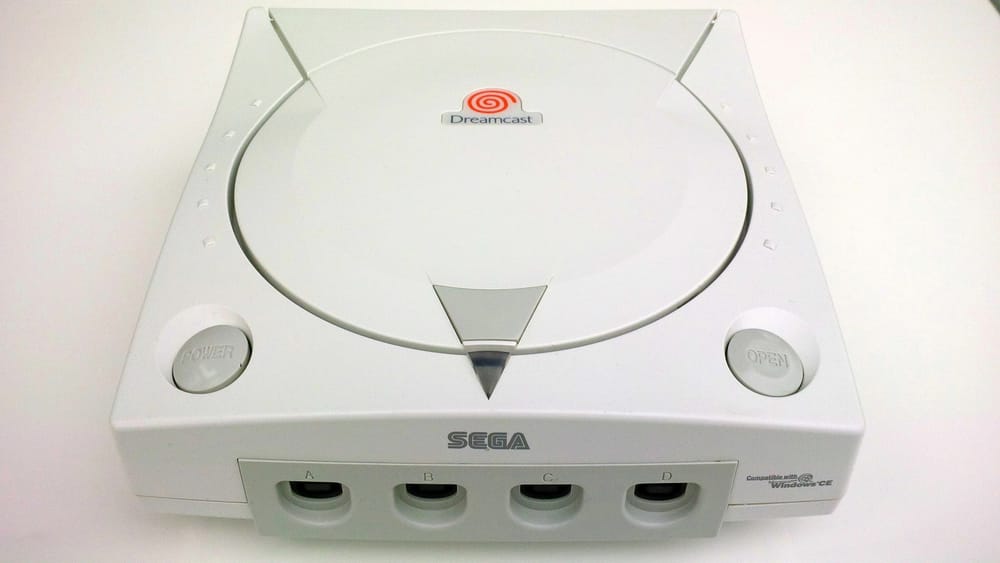
Pixelheart, a French indie game studio, is developing a new survival horror game exclusively for the Sega Dreamcast — a console that launched in 1998, was discontinued in 2001, and has been commercially irrelevant for nearly a quarter-century. The game is scheduled for release in 2026, which means a platform Sega officially killed before the first iPhone existed will receive new software in the same year Hollywood releases Avatar 4. This isn't a port. It's not a remaster. It's original development for hardware the manufacturer has long since abandoned.
The Dreamcast's lifespan was famously short. It launched in Japan in late 1998, hit North America in 1999, and was discontinued by March 2001 after Sony's PlayStation 2 obliterated its market position. Sega exited the console business entirely. The hardware became a collector's item, a symbol of corporate failure, and eventually a nostalgic curiosity for a generation of gamers who remember its library fondly but haven't plugged one in since college. For most of the industry, the Dreamcast is a case study in what happens when you lose a format war. For Pixelheart, it's just another platform.
What makes this more than a novelty stunt is that Pixelheart isn't treating the Dreamcast as a museum piece. The studio has released multiple titles for discontinued platforms — not as jokes or Kickstarter gimmicks, but as part of a deliberate business model that rejects planned obsolescence as a creative constraint. The company publishes games for the Neo Geo, the Game Boy, and other platforms that ceased production decades ago. The survival horror game is the latest entry in a catalog that treats "dead" hardware as viable distribution infrastructure. The message is clear: a platform's commercial lifespan and its functional lifespan are not the same thing, and indie developers are no longer waiting for permission to decide which one matters.
This is the same logic driving the internet's approach to nostalgia — not as reverence for the past, but as raw material for new creation. The difference is that Pixelheart isn't remixing Dreamcast games into memes. They're making new ones. They're treating obsolescence as a business decision, not a natural law. And in doing so, they're exposing something the console manufacturers have always known but never wanted consumers to think about: hardware doesn't stop working just because the company stops supporting it. The Dreamcast still runs. The Neo Geo still runs. The infrastructure is there. The only thing that died was the profit motive.
This approach has precedent in other creative industries. Independent publishers have kept dead literary journals alive. Analog photographers still shoot on discontinued film stock. The art world has entire markets built around obsolete printing techniques. What's different about gaming is that the platform holders have historically maintained much tighter control over what gets released and when. Console ecosystems were closed gardens. You needed the manufacturer's approval, their SDK, their distribution channels. Indie developers have spent the last decade dismantling that model on modern platforms — Steam, itch.io, and mobile storefronts gave them direct access to audiences without corporate gatekeepers. Pixelheart is applying the same logic backward in time. If you don't need Sony's permission to release a game in 2026, why would you need Sega's permission to release one for hardware they stopped caring about in 2001?
The survival horror genre is a smart fit for this experiment. The Dreamcast had a strong library of atmospheric, experimental games — Resident Evil: Code Veronica, Carrier, Illbleed — and the console's technical limitations force a certain kind of design discipline. You can't rely on photorealistic graphics or massive open worlds. You have to build tension through pacing, sound design, and environmental storytelling. Those constraints are exactly what make experimental craft viable — not in spite of limitations, but because of them. The Dreamcast isn't a handicap. It's a creative framework.
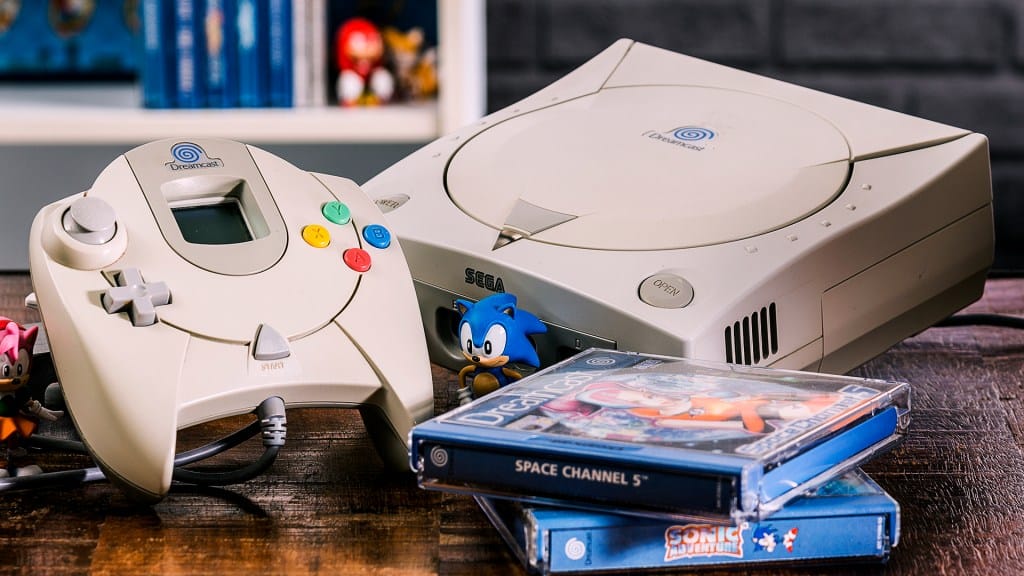
What Pixelheart is doing also challenges the idea that technological progress is linear and irreversible. The industry has spent decades conditioning consumers to believe that newer hardware is always better, that last generation's console is obsolete the moment the next one ships, and that backward compatibility is a generous feature rather than a basic expectation. But the Dreamcast's architecture didn't degrade. The games didn't stop working. The only thing that changed was the business model. Pixelheart is betting that there's an audience — small, but real — that values access to specific hardware experiences more than they value cutting-edge graphics. And they're probably right. The retro gaming market has exploded in the last decade, not because people want to remember the past, but because they want to play it.
This isn't the first time a studio has released new software for discontinued platforms, but it's one of the most visible examples of that practice becoming a sustainable business rather than a one-off curiosity. Pixelheart has turned dead hardware into a niche but defensible market position. They're not competing with Call of Duty. They're serving an audience that Sony, Microsoft, and Nintendo have no interest in. And because they're not beholden to platform holders, they're free to experiment in ways that major publishers — who need to move millions of units to justify development costs — simply can't. The Dreamcast game won't sell 10 million copies. It doesn't need to. It just needs to sell enough to justify the next one.
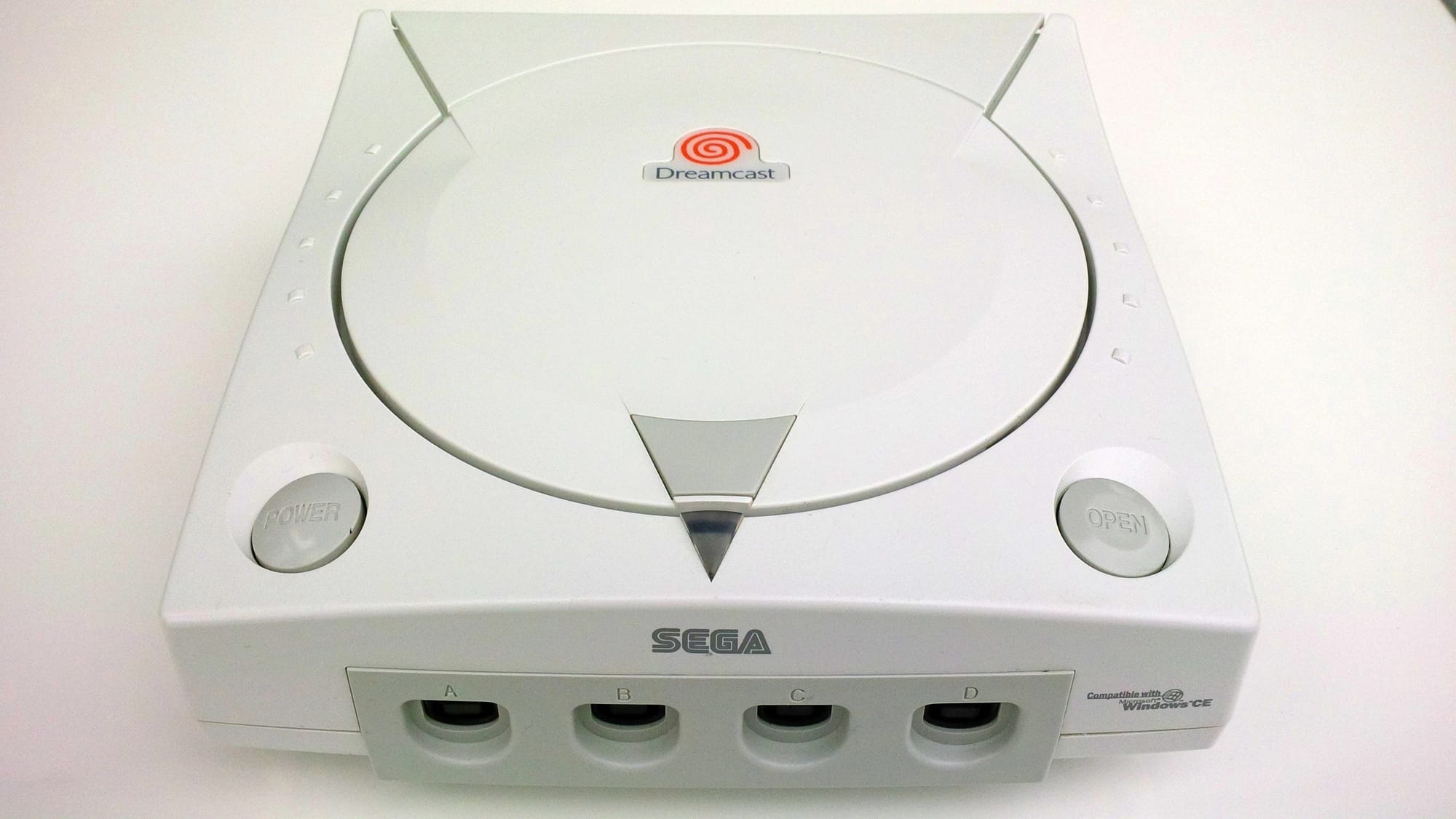
The broader implication is that planned obsolescence, as a concept, only works if everyone agrees to participate. For decades, they did. Consumers bought new consoles because that's where the new games were. Developers made new games for new consoles because that's where the consumers were. The cycle was self-reinforcing. But the internet broke that loop. Emulation made old games accessible. Digital distribution made physical media optional. And indie developers realized they didn't need the industry's permission to decide which platforms mattered. Pixelheart's Dreamcast game is what happens when that realization gets pushed to its logical endpoint: the platform isn't dead until the last developer stops making games for it. And if developers never stop, the platform never dies.