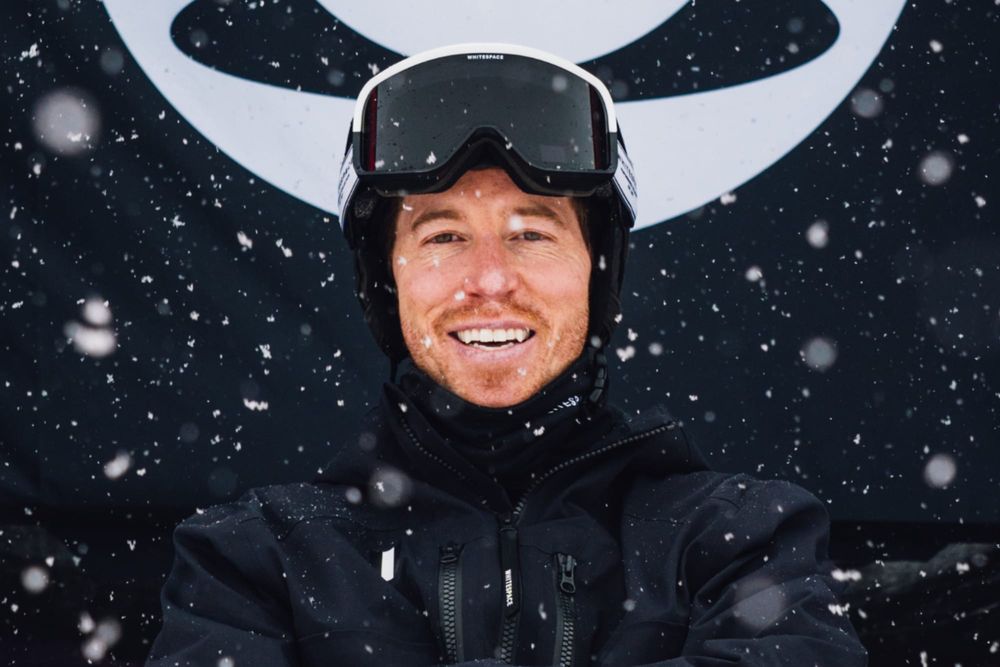
Sundance Film Festival left Park City, Utah, for Boulder and Cincinnati next year. Shaun White revealed on Tuesday that his halfpipe snowboarding and freeskiing tournament, The Snow League, will take over the January slot on Park City Mountain—the largest ski resort in the United States. He made the announcement from atop an 18-foot halfpipe on the side of the mountain, a location choice that doubles as both press event and proof of concept.
The timing isn't coincidental. Park City has spent decades as Sundance's home base, with the festival's presence shaping the town's January economy, lodging infrastructure, and cultural calendar. When Sundance announced its departure, it left a gap—not just in hotel bookings, but in the town's identity as a destination for something beyond skiing. White's Snow League is sliding into that gap with a format that borrows more from festival programming than traditional sports competitions.
Action sports have always had an uneasy relationship with mainstream sports infrastructure. The X Games, which launched in 1995, tried to package snowboarding, skateboarding, and BMX into a televised spectacle, but the format never quite escaped ESPN's gravitational pull toward conventional sports broadcasting. White's model is different. The Snow League isn't trying to be the Super Bowl of halfpipe—it's trying to be a cultural event that happens to feature elite athletes. The distinction matters because it changes who shows up and why.
The move mirrors what Uniqlo did when it bought naming rights to Dodger Stadium's pavilion—action sports are learning that venue partnerships and cultural programming can build brand equity faster than competition results alone. White, who retired from Olympic competition in 2022 with three gold medals, has spent the past few years building his business portfolio. The Snow League is part of that expansion, but it's also a test case for whether action sports can claim the same cultural real estate that film festivals, art fairs, and music festivals occupy.
Park City's infrastructure makes the experiment feasible. The town already has the lodging capacity, the transportation logistics, and the audience appetite for a January event that justifies the trip. What it doesn't have—yet—is proof that people will show up for a halfpipe competition the way they showed up for independent cinema. White's bet is that the gap Sundance left isn't about film specifically. It's about giving people a reason to gather around something that feels culturally significant, even if the thing itself is niche.
The broader pattern is clear: audiences who grew up on Fortnite and TikTok don't distinguish between entertainment categories the way legacy media does. A halfpipe competition, a fashion show, a film premiere—they're all content, and they're all competing for the same discretionary travel budget and social media attention. White's Snow League is positioning itself as the kind of event you attend not just to watch athletes, but to be part of a scene.
Whether it works depends on execution. Sundance didn't become Sundance overnight—it took decades of programming, curation, and reputation-building to turn a ski town in January into a must-attend industry event. White has name recognition and a venue, but he doesn't yet have the cultural credibility that makes people rearrange their schedules. The Snow League's first year will reveal whether action sports can borrow the festival model, or whether the model only works when the product is art.
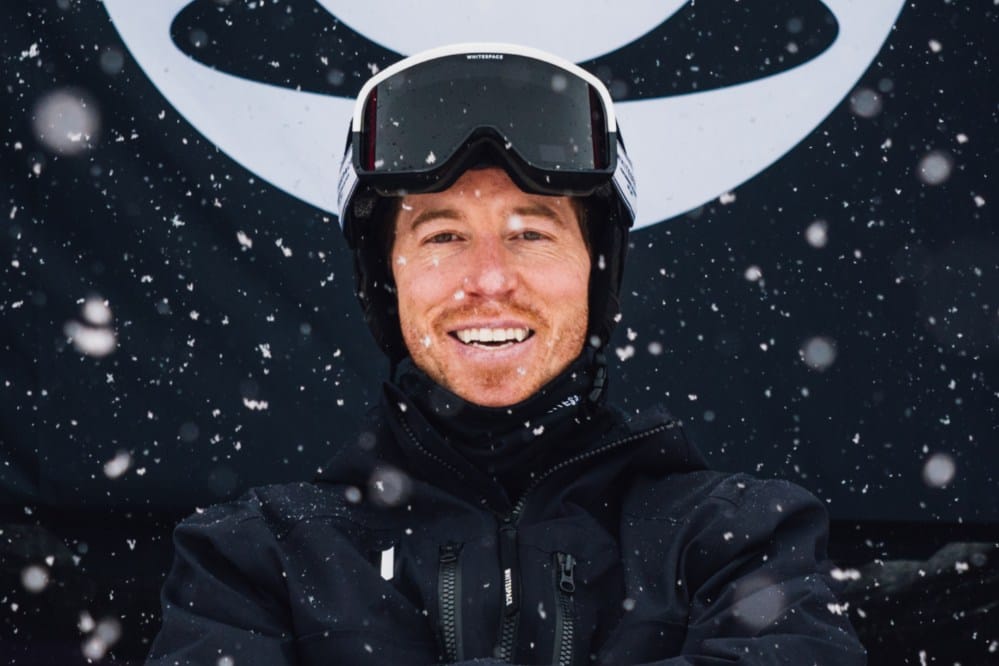
If White pulls it off, expect other action sports properties to follow. Skateboarding, surfing, and climbing all have Olympic legitimacy now, but they still lack the kind of standalone cultural events that justify a weekend trip. Park City in January could become the template—not because the Snow League replaces Sundance, but because it proves that the infrastructure film festivals built can host other kinds of cultural programming once the films move on.