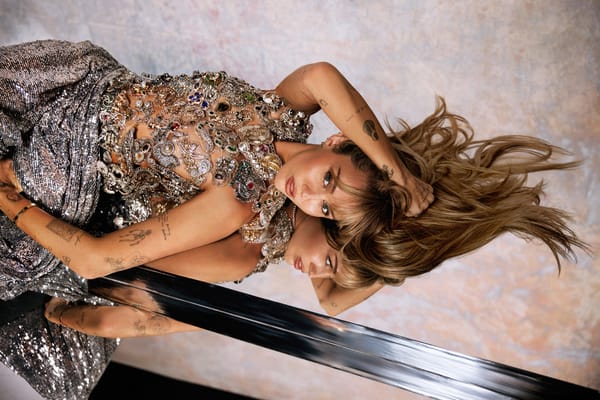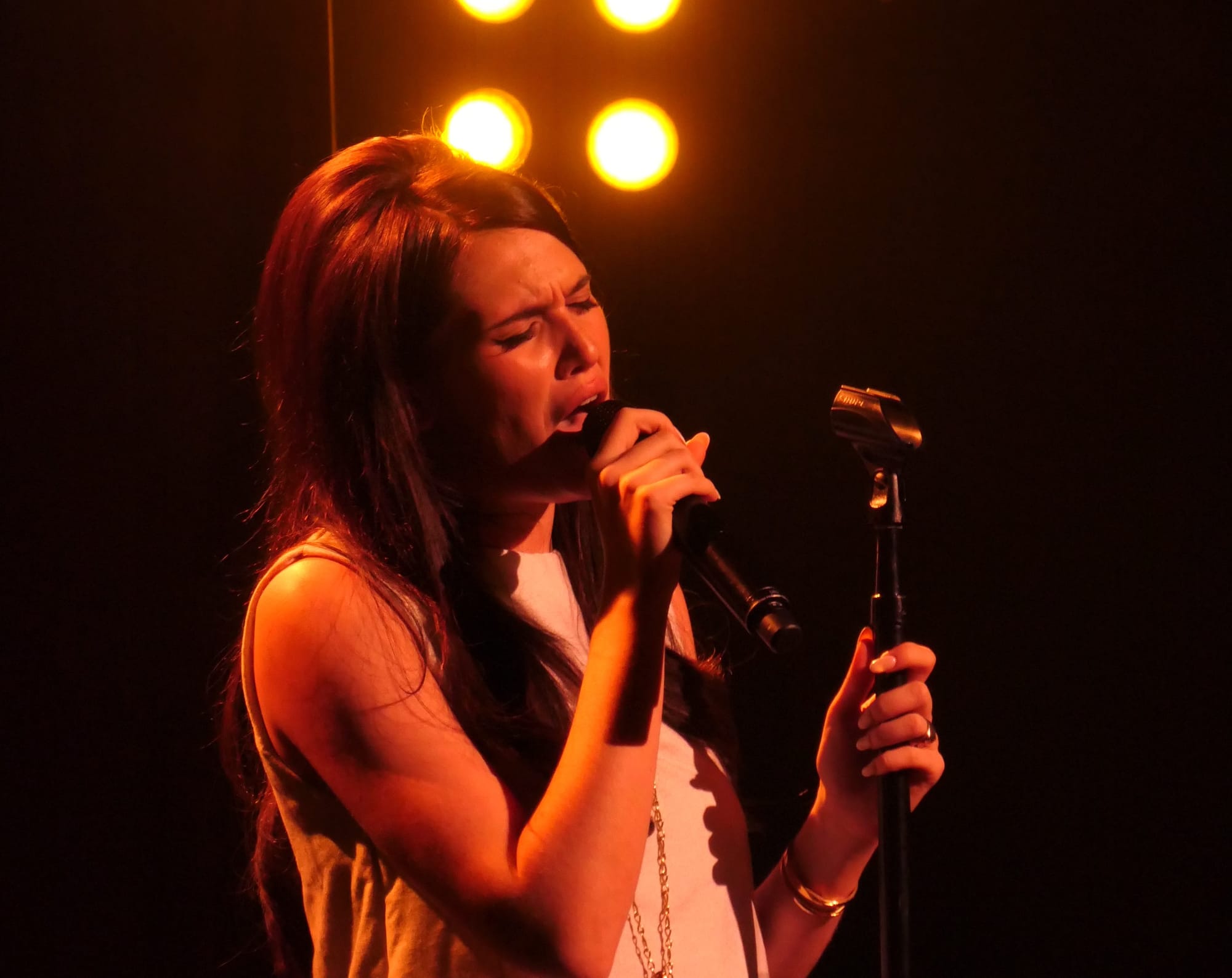
Midway through her first U.S. headlining set at West Hollywood's Troubadour, Sienna Spiro paused between songs and told the sold-out room she'd been dreaming about this stage since she was a teenager in London. Then she opened her mouth and delivered a vocal run so technically flawless and emotionally present that Variety's concert review didn't even bother with suspense: she's the next Bond theme singer, full stop.
That's not hyperbole dressed as criticism. It's pattern recognition. Spiro's performance Thursday night had all the markers of a certain kind of British pop arrival: the technical command that reads as effortless, the theatricality that never tips into camp, and the genre fluidity that allows her to move between piano ballads and up-tempo pop without losing her center of gravity. She's not chasing TikTok virality or playlist placement. She's building toward the kind of career that requires a voice capable of filling stadiums and soundtracking cultural moments — and those careers are rarer than they used to be.
The British vocal powerhouse has been in short supply lately. Adele stepped back. Sam Smith pivoted toward experimental pop. Florence Welch remains a festival staple but hasn't dominated the broader cultural conversation in years. The gap Spiro is stepping into isn't just about vocal ability — it's about the willingness to center the voice as the primary instrument in an era when production often does that work instead. Spiro's set leaned heavily on live band arrangements and minimal effects, a choice that only works if the singer can actually deliver. She could.
What makes Spiro's debut significant isn't just the performance itself but the timing. The music industry has spent the past five years optimizing for streaming algorithms and social media virality, which rewards hooks over vocal performance and 15-second clips over full songs. That model works for certain kinds of artists, but it doesn't build the kind of long-term career that survives beyond the algorithm's next shift. Spiro's approach — touring small venues, building word-of-mouth, prioritizing live performance over content creation — is the older model, the one that used to produce artists who lasted decades instead of release cycles.
The strategy also reveals something about the economics of artist development in 2026. Building an artist through live performance is expensive and slow. It requires venue guarantees, tour support, and the patience to let word-of-mouth compound over months rather than days. The fact that Spiro's team is investing in this model suggests they're playing a different game than the TikTok-to-streaming pipeline that dominates pop development. They're betting on durability over virality, which means they believe the current creator economy model has a shelf life — and they're positioning Spiro to outlast it.
The Troubadour show also signals something about where the industry's attention is shifting. Labels and management teams are starting to realize that the creator economy model has limits. Artists who build their careers on platforms are at the mercy of those platforms, and the infrastructure can disappear overnight. Spiro's trajectory — building through live performance, investing in musicianship, courting industry tastemakers before chasing mass audiences — is slower but more durable. It's also more expensive, which means someone with resources is betting she's worth it.

The Bond theme comparison isn't just about vocal range. It's about the kind of artist who gets that call: someone with enough mainstream credibility to justify the placement and enough artistic credibility to make it feel earned. The last decade of Bond themes has gone to Adele, Sam Smith, and Billie Eilish — artists who were already culturally significant before the franchise came calling. Spiro isn't there yet, but the Troubadour performance was the kind of moment that accelerates timelines. It's the show people in the industry will reference when explaining how they knew early.
The performance also demonstrated something the streaming era has obscured: the difference between a good voice and a great one becomes most obvious in a room where there's nowhere to hide. Studio production can smooth imperfections and add emotional weight through arrangement. Live performance at a venue like the Troubadour strips that away. The 400-person capacity means the audience can hear every breath, every transition, every moment where technique either holds or falters. Spiro's set worked because her technique held — and because she understood that technical perfection without emotional presence reads as karaoke, no matter how flawless the execution.
What happens next depends on whether Spiro can scale without losing what made the Troubadour show work. The venue holds 400 people. Stadiums hold 40,000. The voice is there. The question is whether the material and the strategy can support the leap — and whether the industry still knows how to build that kind of artist in 2026. The infrastructure that used to support this trajectory — radio programmers who could break artists regionally, music journalists who could build narrative over album cycles, A&R executives with the authority to invest in multi-year development — has been hollowed out by consolidation and algorithm-driven decision-making.
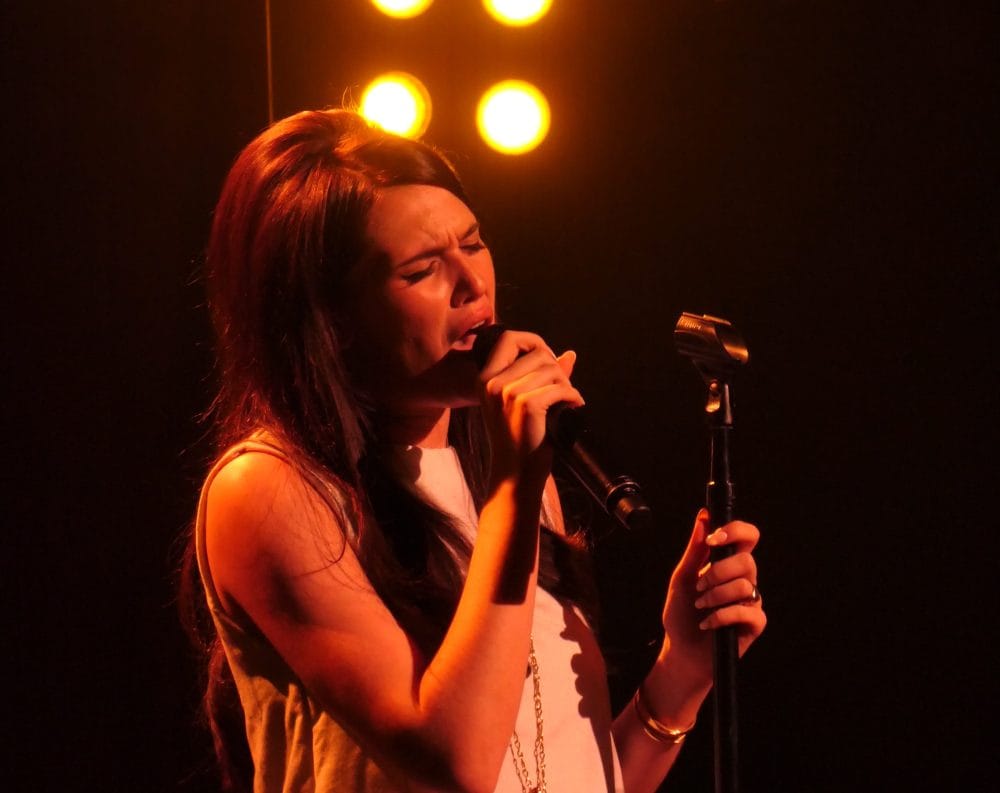
But the Troubadour show suggests there's still an audience for artists who prioritize craft over content. The room was sold out weeks in advance, filled with industry insiders and early adopters who showed up because they'd heard the voice was worth hearing in person. That's the kind of word-of-mouth that used to build careers before streaming made discovery instantaneous and disposable. If Spiro's team can convert that early momentum into sustained attention — and if they can resist the pressure to optimize for virality over longevity — the Bond theme comparison might turn out to be conservative.
For more, see the best celebrity podcasts and Harry Styles’ rejection of pop ubiquity.