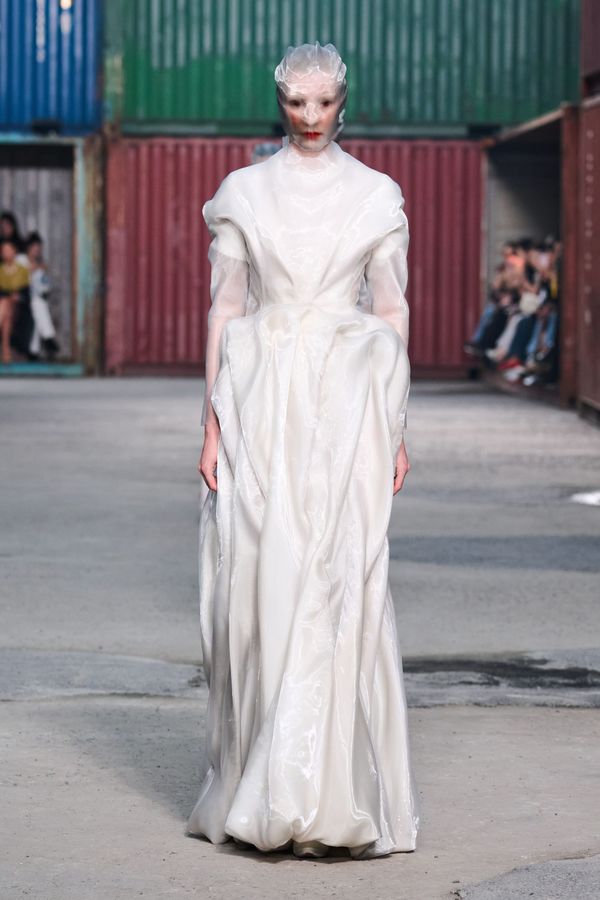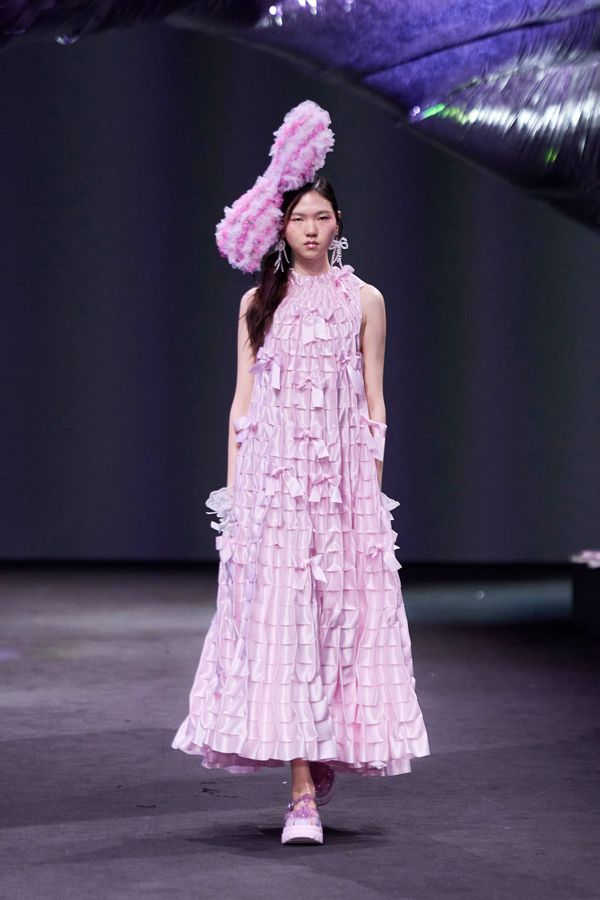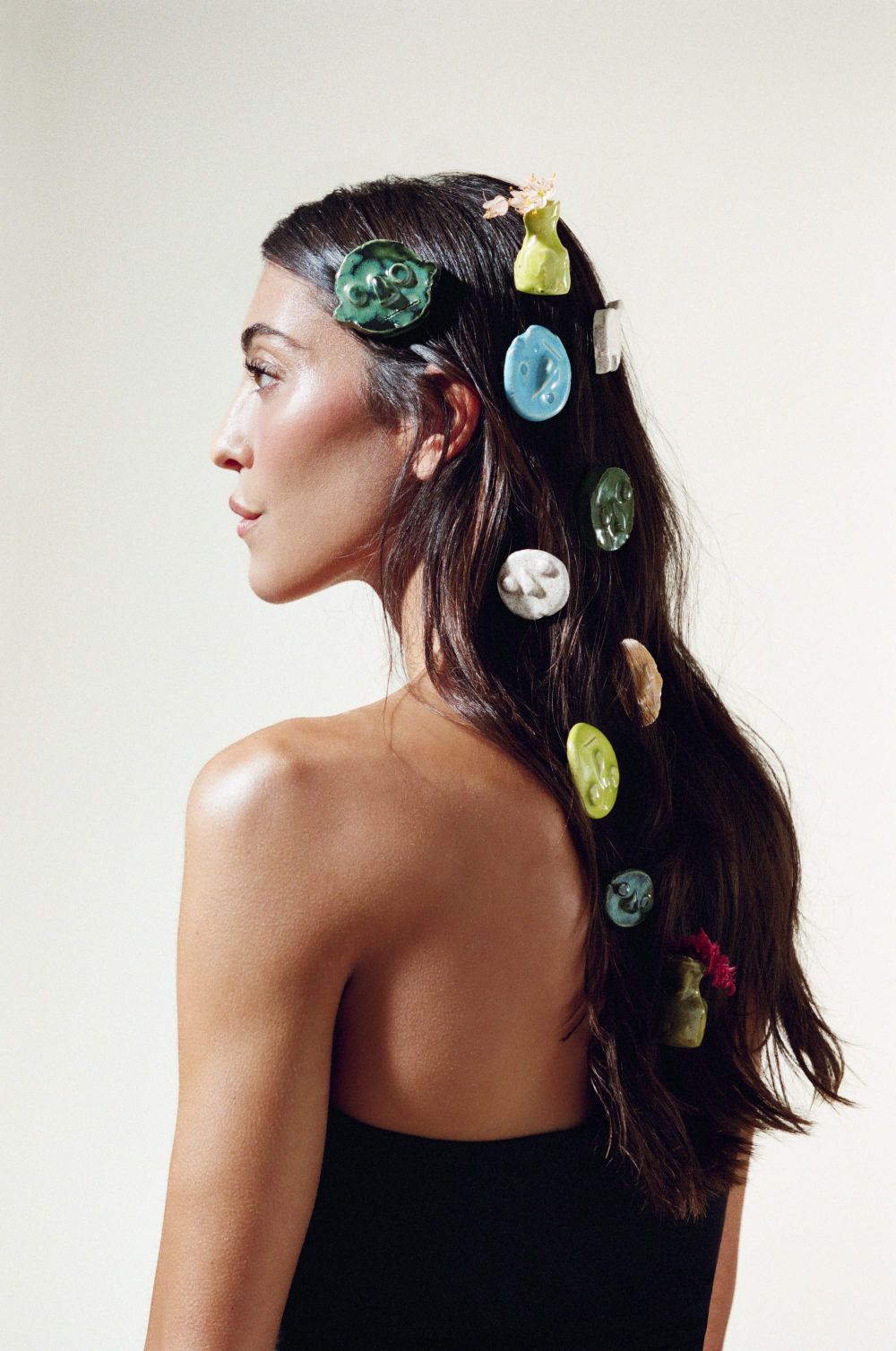
Staud, the Los Angeles fashion brand known for its millennial-pink handbags and effortlessly Instagrammable dresses, just launched a home collection. According to Elle, the line includes throw pillows, candles, glassware, and ceramic trays—all designed in the brand's signature palette of soft neutrals, dusty pastels, and the occasional pop of terracotta. If you've ever scrolled through Staud's feed and thought, "I want my living room to look like that," the brand just made it possible.
This isn't a creative pivot. It's a business expansion that follows a playbook so well-worn it's practically laminated. Fashion brands have been moving into home goods for years now, and the logic is airtight: if your customer already trusts you to dress them, why wouldn't they trust you to decorate their apartment? The aesthetic that works on a dress works just as well on a throw pillow. The color story that sells a handbag can sell a candle. And the Instagram feed that built your brand doesn't need to change—it just needs more surfaces.
Staud's home collection is the logical conclusion of what happens when a brand realizes its real product isn't clothing—it's a lifestyle aesthetic that customers want to live inside. The fashion industry has spent the last decade teaching consumers to think in terms of "the vibe," and home goods are the easiest way to extend that vibe beyond the closet. A Staud dress and a Staud ceramic tray don't just share a color palette—they share a worldview, a carefully curated vision of California cool that feels aspirational without being alienating. You're not buying a pillow. You're buying into the idea that your home should look like the kind of place where someone who wears Staud would live.
This strategy works because it capitalizes on something fashion brands figured out years ago: consistency is more valuable than novelty. Staud's home line doesn't introduce a new aesthetic—it replicates the one that already exists. The customer who bought the brand's bestselling Moon Bag doesn't have to learn a new visual language. She already knows what Staud looks like, and now she can apply that knowledge to her coffee table. It's the same reason The Row's fashion shows include carefully curated snacks—every touchpoint reinforces the brand's identity, and every product category becomes another way to live inside it.
The timing matters, too. Staud's move into home goods comes at a moment when fashion brands are looking for revenue streams that don't depend on seasonal clothing cycles. Handbags and accessories have long been the financial backbone of fashion houses because they're less trend-dependent and carry higher margins. Home goods operate on the same logic. A throw pillow doesn't go out of style the way a dress does, and it doesn't require the same level of fit or fabrication expertise. It's a lower-risk, higher-margin product category that extends the brand's reach without diluting its identity.
But there's a broader cultural shift at play here, one that goes beyond Staud. The fashion-to-lifestyle expansion has become so common that it's now the default growth strategy for any brand with a strong visual identity. Goop started as a newsletter and became a full-blown wellness empire. Outdoor Voices sold leggings and then launched a podcast. Glossier sold skincare and then started selling sweatshirts that said "Glossier" on them. The product doesn't matter as much as the ecosystem it belongs to.
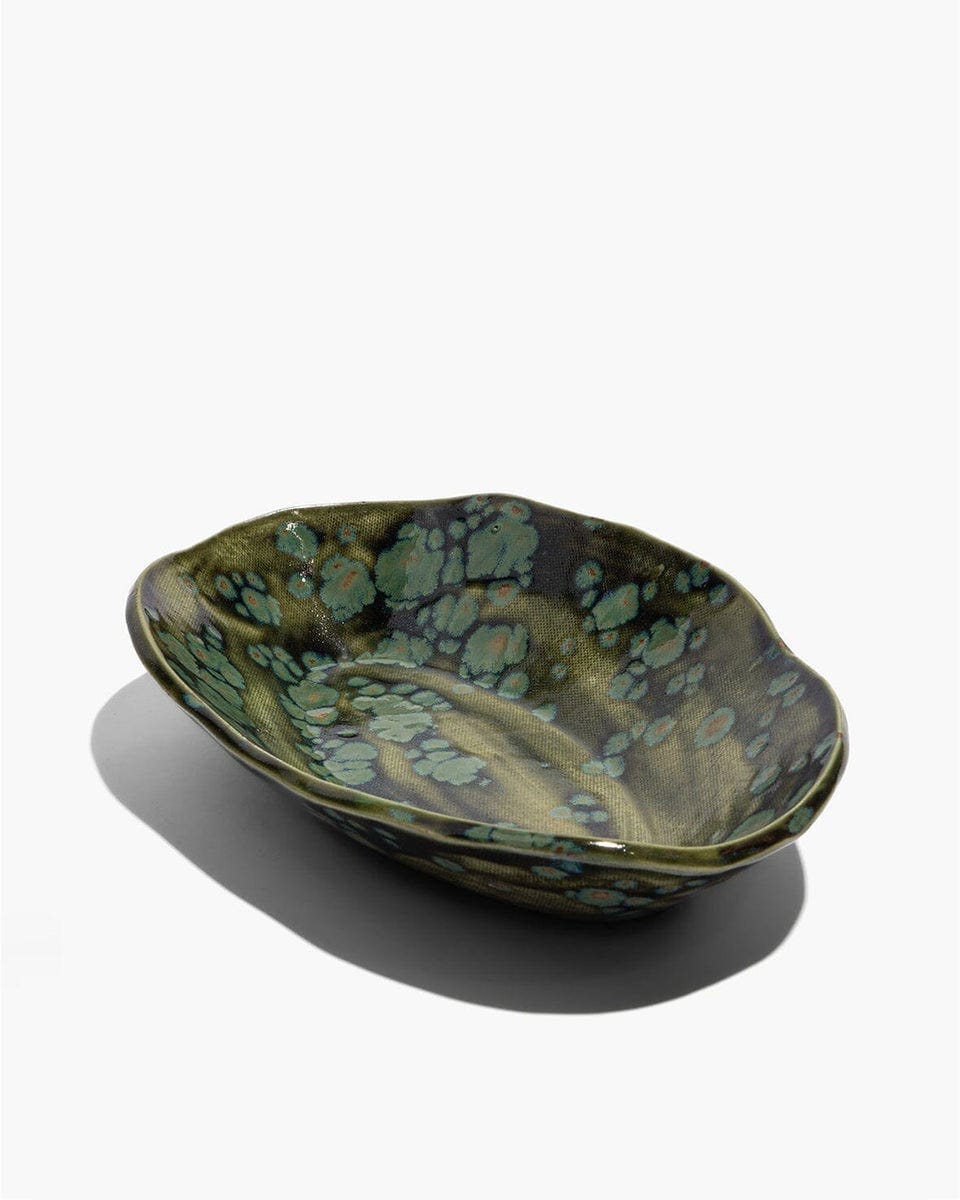
What Staud's home line reveals is that Instagram aesthetics have become the most exportable commodity in modern branding. A brand doesn't need to be good at making furniture—it just needs to be good at making things that photograph well together. The home collection doesn't have to function better than anything else on the market. It just has to look like it belongs in the same frame as the dress you bought last season. The grid is the strategy, and every product is just another tile.
The risk, of course, is that the aesthetic becomes the only thing holding the brand together. When your entire business model is built on visual consistency, you're one trend cycle away from irrelevance. The millennial-pink moment that made Staud famous in the first place has already cooled. The brand has adapted by leaning into neutrals and earth tones, but that shift only works as long as the customer base stays loyal. If the aesthetic stops resonating, the home goods won't save you—they'll just be more inventory to liquidate.
For now, though, Staud's bet is that its customers want to live inside the brand's universe, not just wear it. And based on how many fashion brands are making the same move, it's a bet that's paying off. The closet was just the entry point. The living room is where the real money is.