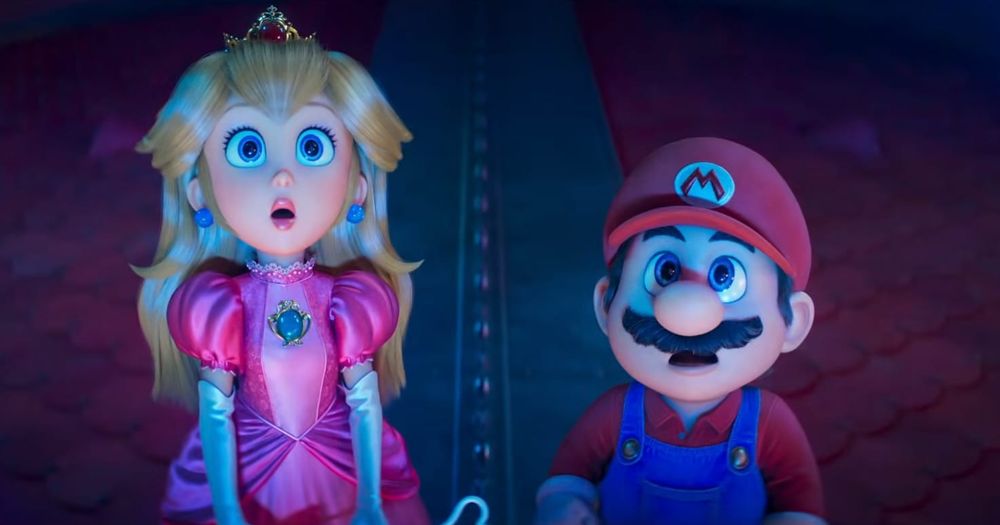
"The Super Mario Galaxy Movie" is tracking for $175 million to $180 million in its first five days of domestic release, with global projections climbing past $350 million. Those aren't just strong numbers for an animated sequel—they're the kind of figures that make studio executives reconsider their entire development slates. When a plumber and his brother can reliably deliver a nine-figure opening weekend while original IP struggles to crack $50 million, the industry isn't making creative choices anymore. It's making survival calculations.
The first "Super Mario Bros. Movie" earned $1.36 billion worldwide in 2023, making it the second-highest-grossing film of the year behind only "Barbie." That success wasn't a fluke—it was a template. Gaming IP comes pre-loaded with multi-generational brand recognition, built-in fan bases that span demographics, and visual worlds that require no explanation. Parents who played Super Mario 64 in 1996 are now taking their kids to see Mario on the big screen. The IP doesn't need to convince anyone it's worth their time. It just needs to not screw up what already works.
Hollywood has spent the last decade trying to crack the code on what makes a blockbuster work in an era of fragmented audiences and infinite streaming options. The answer, increasingly, is that original blockbusters don't work anymore—at least not with the reliability studios need to justify $200 million production budgets. Disney's decision to put Mickey Mouse in Bluey's world was a concession to the same reality: cultural dominance now belongs to whoever builds the most durable IP ecosystem, not whoever makes the best individual film.
Gaming IP specifically has become the industry's safest bet because it solves problems that legacy franchises can't. Unlike comic book adaptations, which require audiences to understand decades of continuity, or YA adaptations, which age out with their core demographics, gaming franchises are designed to be evergreen. Mario has been in continuous cultural circulation since 1985. He's not tied to a specific moment or a specific audience—he's infrastructure. That's what makes him valuable. Microsoft's $70 million investment in a Minecraft theme park operates on the same logic: gaming IP has reached parity with film franchises in terms of cultural staying power, and in some cases, it's surpassed them.
The "Super Mario Galaxy Movie" projections also confirm something studios have been reluctant to admit: theatrical windows still matter, but only for IP that can command them. Disney turned "Zootopia 2's" $1.86 billion box office into 32 million streaming views in seven days, proving that theatrical success feeds streaming engagement in ways original streaming films can't replicate. But that model only works if the theatrical release is an event. Gaming IP—especially Nintendo's—has the cultural weight to make opening weekend feel like an occasion rather than just another release.
What makes this particularly stark is the comparison to original family films, which have all but disappeared from the theatrical landscape. Pixar, once the gold standard for original animated storytelling, has pivoted heavily toward sequels and franchise extensions. DreamWorks is treating folklore as mainstream IP rather than building new worlds from scratch. The economics are brutal: an original animated film might cost the same $200 million to produce as a Mario sequel, but it won't have the same guaranteed opening weekend. Studios can't afford to take that risk anymore, especially when gaming IP delivers the same audience with half the marketing spend.
Nintendo's control over its IP has also made it an outlier in how gaming adaptations get made. Unlike studios that license game franchises and then rewrite them into unrecognizable Hollywood products, Nintendo has maintained creative oversight that ensures the films feel like extensions of the games rather than cynical cash grabs. That's not altruism—it's brand management. Nintendo understands that its IP is worth more as a long-term cultural asset than as a one-time licensing fee. The result is films that satisfy existing fans while remaining accessible to newcomers, which is the entire theatrical business model in a single sentence.
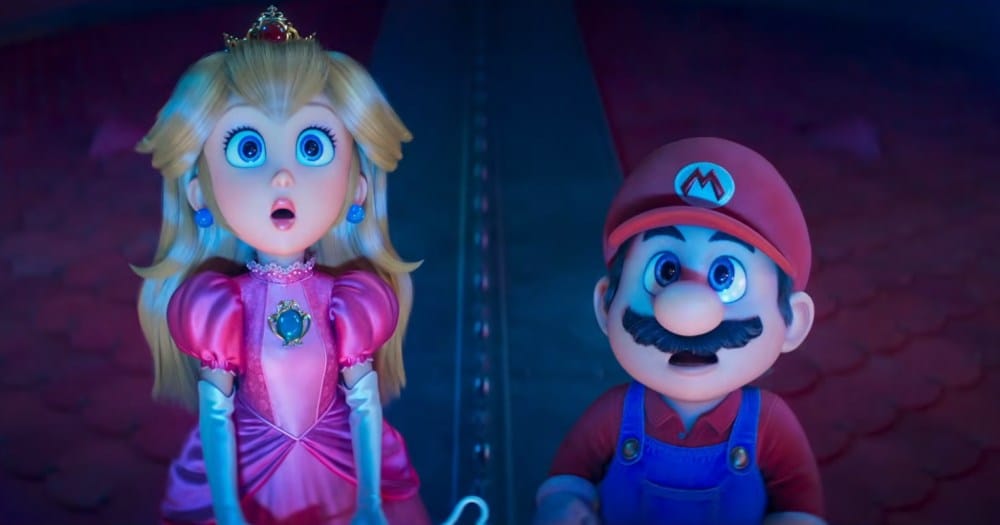
The "Super Mario Galaxy Movie" won't be the last gaming adaptation to dominate the box office, and it won't be the last time Hollywood looks at those numbers and decides to greenlight three more. Gaming IP has become the blueprint for how blockbusters get made now—not because it's the most creatively ambitious option, but because it's the only one that consistently works. The industry didn't choose this path because it wanted to. It chose it because original IP stopped being a viable business strategy, and the audience made it clear they'd rather see familiar characters in competent films than take a chance on something new.