
Timothée Chalamet admitted he doesn't go to the opera or ballet as much as he'd like. The internet responded as if he'd confessed to a hate crime. Page Six called it "one of the silliest Oscar controversies ever," and they're right — but the silliness is the point. What looks like a trivial pile-on is actually a revealing moment about how cultural gatekeeping works now. We've reached a place where admitting you don't regularly attend high art events is treated as more offensive than never going at all.
The controversy erupted after Chalamet made a perfectly reasonable observation: opera and ballet are expensive, time-consuming, and not part of most people's regular cultural diet — including his own. He didn't say they're bad. He didn't say they're irrelevant. He said he doesn't go as often as he'd like, which is true for approximately 99.7 percent of people who claim to love opera. The response was immediate and predictable: accusations of philistinism, performative outrage about the death of culture, and a deluge of people insisting that attending the opera is actually very accessible if you just care enough.
This is the new cultural gatekeeping. It doesn't demand that you actually engage with high art — it demands that you perform enthusiasm for it. The crime isn't ignorance. The crime is honesty. Chalamet's mistake wasn't failing to go to the opera. His mistake was admitting it out loud, in a way that made the performance optional. That's unforgivable, because the entire system depends on everyone pretending that high art attendance is both accessible and morally necessary.
The opera and ballet worlds have spent decades trying to solve their accessibility problem. Tickets are expensive. Performances are long. The social codes are opaque. The programming skews heavily toward dead white Europeans. These are structural issues that institutions have acknowledged, addressed with varying degrees of success, and continue to grapple with. But the people yelling at Chalamet aren't interested in structural critique. They're interested in maintaining the fiction that loving opera is a sign of cultural sophistication rather than a function of disposable income and free time.
What's particularly revealing is that the outrage isn't coming from opera insiders. It's coming from people who need opera to exist as a cultural signifier — a way to demonstrate taste, education, and class position. Chalamet's honesty threatened that signaling system. If a famous, beautiful, wealthy actor can admit he doesn't go to the opera without pretending it's a personal failing, then what's the point of everyone else pretending? The whole performance collapses.
This is the same dynamic that plays out across cultural spaces that trade on exclusivity. Art museums spend millions on accessibility initiatives while the discourse around art appreciation remains hostile to anyone who admits they don't "get" a piece. Fashion week is theoretically open to industry outsiders, but admitting you don't understand a collection's references is treated as a character flaw rather than a gap in specialized knowledge. The cultural capital economy depends on people feeling inadequate, not on people actually participating.

The irony is that Chalamet's honesty is better for the opera than the performative enthusiasm of people who never go. If the goal is to make opera accessible, then acknowledging the real barriers — cost, time, cultural codes — is a necessary first step. Pretending those barriers don't exist, or that overcoming them is simply a matter of caring enough, does nothing except make people feel bad for not performing enthusiasm they don't feel. That doesn't sell tickets. It doesn't build audiences. It just maintains the gatekeeping.
There's also a class dimension here that the outrage conveniently ignores. Opera and ballet are expensive. A decent seat at the Metropolitan Opera starts around $150 and climbs quickly into the hundreds. Add in transportation, childcare if applicable, and the opportunity cost of a four-hour evening commitment, and you're looking at a significant financial and logistical investment. Chalamet can afford it. Most people can't. But admitting that money is a barrier is apparently less acceptable than pretending everyone has equal access to culture if they just try hard enough.
The people defending Chalamet — and there are some, though they're drowned out by the pile-on — point out that he's actually more culturally engaged than most celebrities. He's done theater. He's worked with auteur directors. He's made career choices that prioritize artistic credibility over commercial safety. But none of that matters, because he committed the sin of not performing sufficient reverence for the opera. The standard isn't engagement. The standard is performance.

This is what cultural gatekeeping looks like in 2026. It's not about keeping people out of institutions — most institutions are desperate for broader audiences. It's about maintaining the social hierarchy that comes from performing the right kind of enthusiasm. Chalamet disrupted that hierarchy by admitting that even rich, famous, culturally literate people don't always make time for the opera. That honesty is more threatening than ignorance, because ignorance can be dismissed. Honesty forces everyone to confront the gap between what they claim to value and what they actually do.
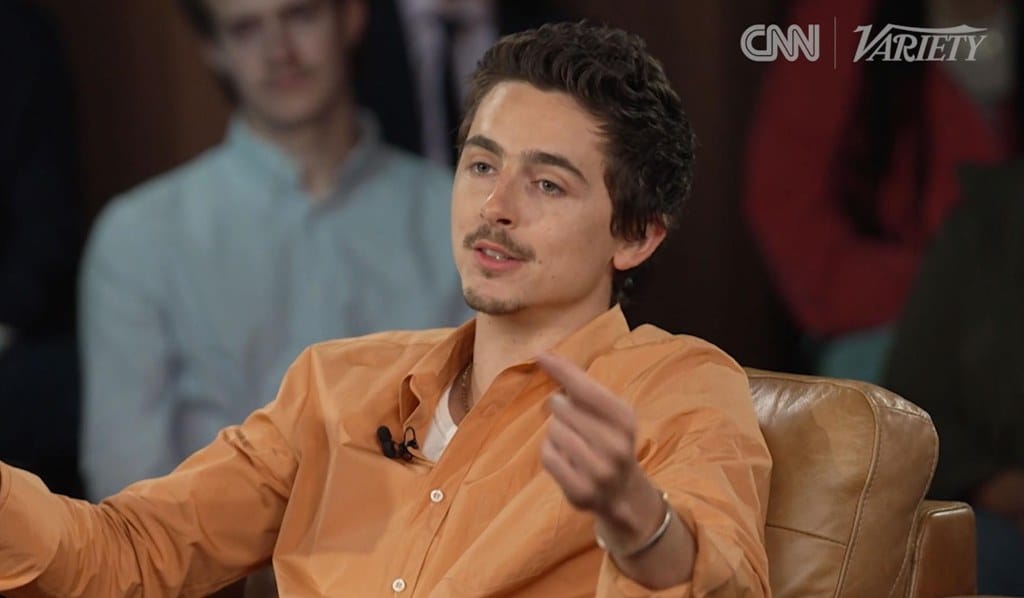
The opera will survive Timothée Chalamet's admission that he doesn't go often enough. What won't survive — and shouldn't — is the idea that cultural participation is a moral obligation rather than a choice shaped by access, interest, and circumstance. If the goal is to build audiences, then honesty about barriers is more useful than performative enthusiasm. If the goal is just to maintain gatekeeping, then by all means, keep yelling at anyone who admits they don't go to the ballet. But don't pretend it's about protecting culture. It's about protecting the performance.