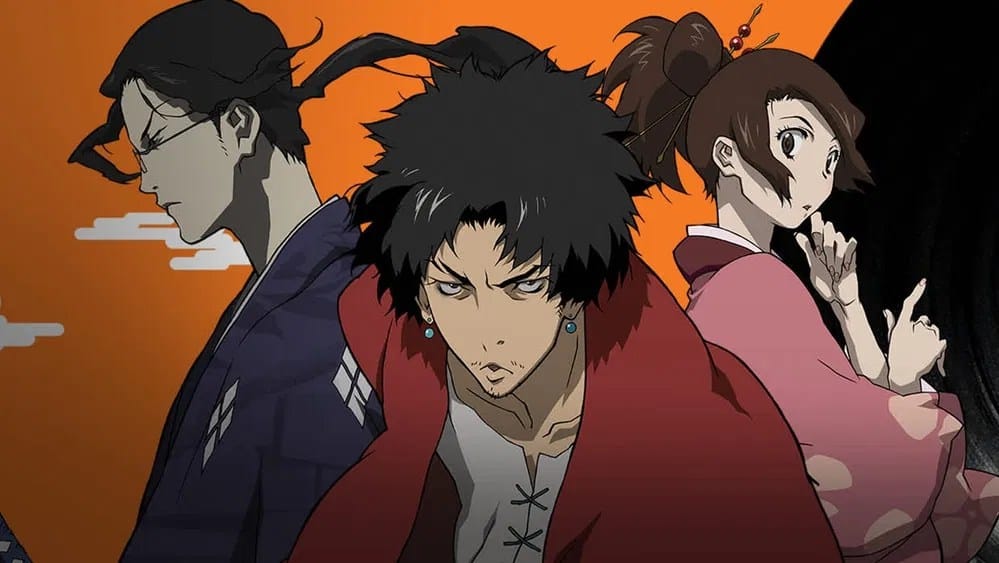
Tomorrow Studios is developing a live-action adaptation of Samurai Champloo with original series creator Shinichirō Watanabe attached to the project, executive producers Marty Adelstein and Becky Clements told Variety exclusively. The 2004 anime — a hip-hop-infused samurai period piece that built a cult following on Adult Swim and became one of the most visually distinctive anime series of its era — would mark Tomorrow Studios' next major swing after One Piece, which became Netflix's most-watched live-action anime adaptation.
The Watanabe attachment is the most significant detail in the announcement, and it's the structural choice that separates working anime adaptations from expensive disasters. Tomorrow Studios has spent the last five years proving that the path to functional anime-to-live-action translation runs directly through the original creators — not around them, not in consultation with them, but with them embedded in the production infrastructure. One Piece worked in part because Eiichiro Oda had creative approval and meaningful involvement. Cowboy Bebop failed in part because Watanabe himself was only loosely consulted, credited as a consultant rather than a decision-maker. The studio learned the lesson.
The pattern is now visible across the industry. Anime adaptations that treat the source material as IP to be strip-mined — extracting character names, visual iconography, and plot beats while discarding the tonal specificity and thematic coherence that made the original work — fail almost universally. Death Note, Cowboy Bebop, Fullmetal Alchemist: each one collapsed under the weight of trying to reverse-engineer anime's emotional architecture without understanding the load-bearing elements. The adaptations that survive are the ones that involve the people who built the original structure. It's not about fidelity for fidelity's sake. It's about understanding what the thing actually is before attempting to rebuild it in a different medium.
Samurai Champloo is a particularly difficult test case. The series is not narrative-driven in the way One Piece is — it's episodic, tonally eclectic, built on anachronistic stylistic collisions that only work because Watanabe's direction holds them together. The hip-hop soundtrack, the period setting, the breakdancing fight choreography, the emotional restraint: these elements don't naturally cohere. They cohere because Watanabe made them cohere. A live-action version attempting to replicate those choices without Watanabe's involvement would almost certainly produce something that feels like cosplay — visually referential but emotionally inert.
Tomorrow Studios' broader strategy is becoming legible. The company is positioning itself as the studio that can translate anime into live-action without destroying what made the original worth adapting. That's a narrow lane, but it's an increasingly valuable one. Netflix has spent billions building its anime slate. Disney is investing heavily in anime content for Disney+. Warner Bros. Discovery is leaning into anime as one of the few reliable IP categories it still controls. The demand for live-action adaptations is only going to increase, and the studios that can deliver functional versions — adaptations that don't alienate the existing fanbase while expanding to new audiences — have leverage.
The Watanabe attachment also signals something about Tomorrow Studios' understanding of creator economics. Anime creators historically had limited participation in the financial upside of their work — production committees, licensing deals, and international distribution structures meant that even wildly successful anime rarely translated into meaningful wealth for the people who made them. Live-action adaptations represent a second bite at the apple, and studios that bring creators into the deal early are building long-term relationships that could pay off across multiple projects. Watanabe's involvement in Samurai Champloo makes it more likely he'd work with Tomorrow Studios again. That's infrastructure, not just a single project.
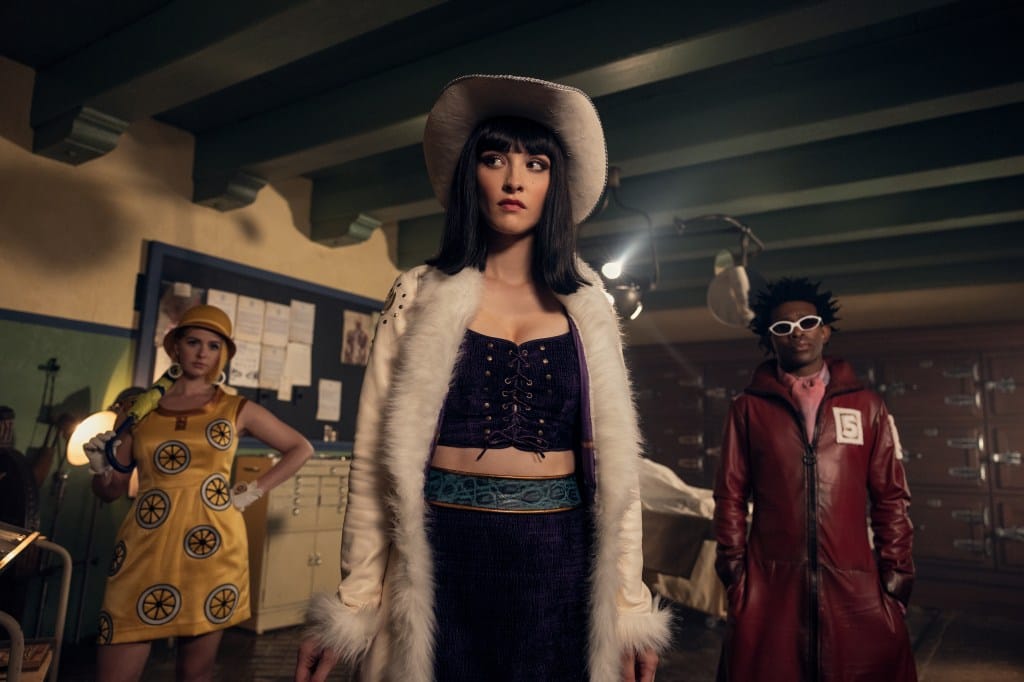
The announcement arrives at a moment when the anime adaptation pipeline is crowded but not yet proven. For every One Piece, there are three projects that collapse in development or get quietly canceled after a single season. The economics are brutal: anime adaptations are expensive to produce, difficult to market to non-fans, and risky to greenlight without a guaranteed audience. But the IP is too valuable to ignore, and the global anime market is too large to cede to competitors. Tomorrow Studios is betting that creator involvement is the variable that determines success or failure. If Samurai Champloo works, it won't be because the studio nailed the fight choreography or cast the right actors. It will be because Watanabe was in the room when those decisions were made.
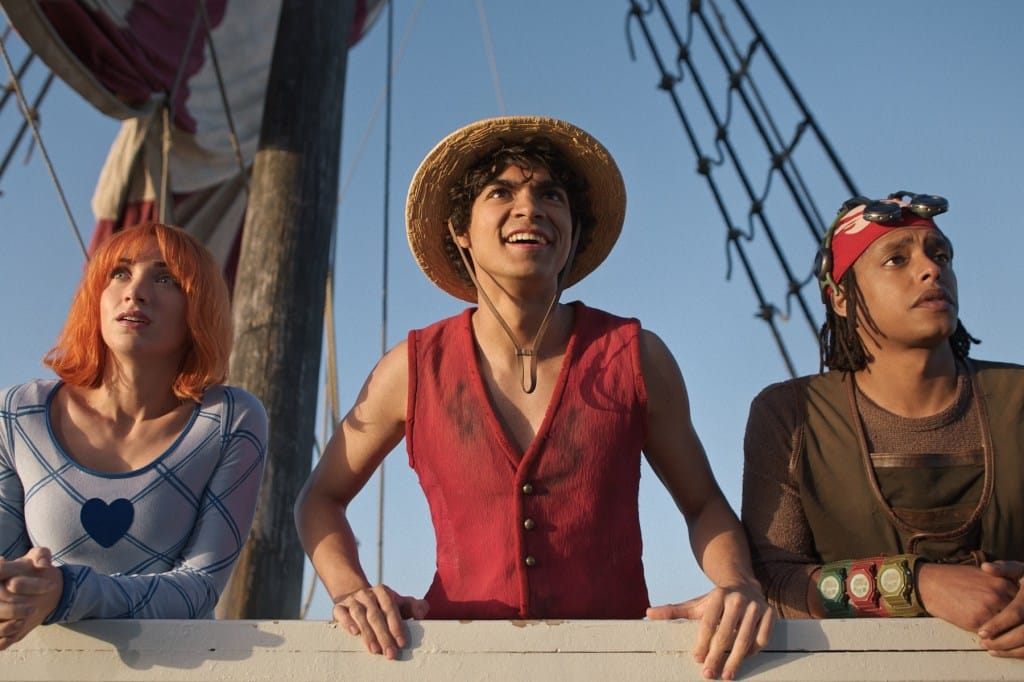
The larger question is whether this model scales. Involving original creators adds complexity, slows down production, and requires studios to share creative control in ways Hollywood historically resists. But the alternative — producing expensive adaptations that fail because they misunderstood the source material — is proving more costly. Tomorrow Studios is building a reputation as the place that gets anime adaptations right. That reputation is worth more than any single project, and it's built on a structural choice that most studios still haven't figured out: if you want to adapt the work, bring the person who made it.