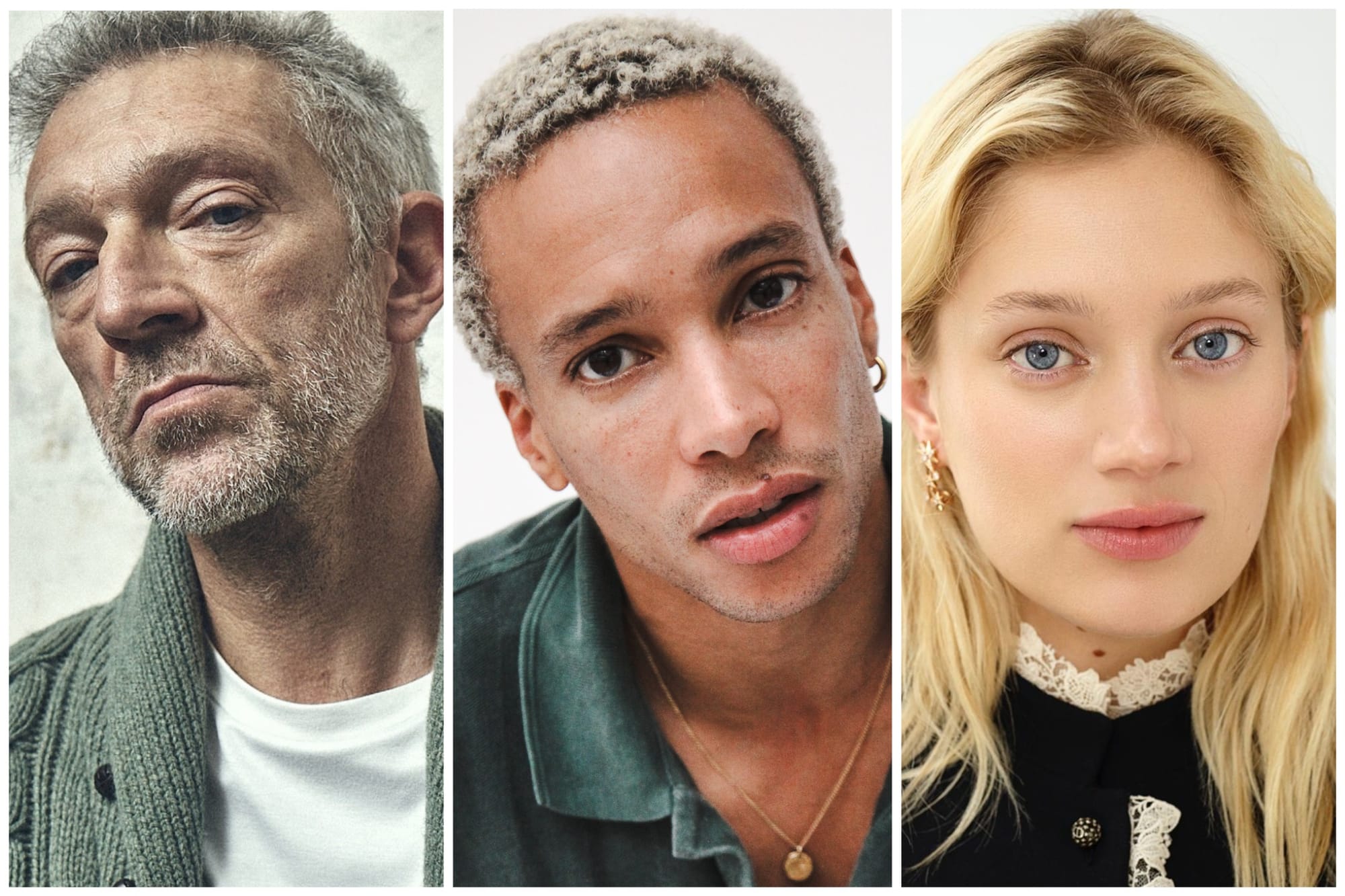
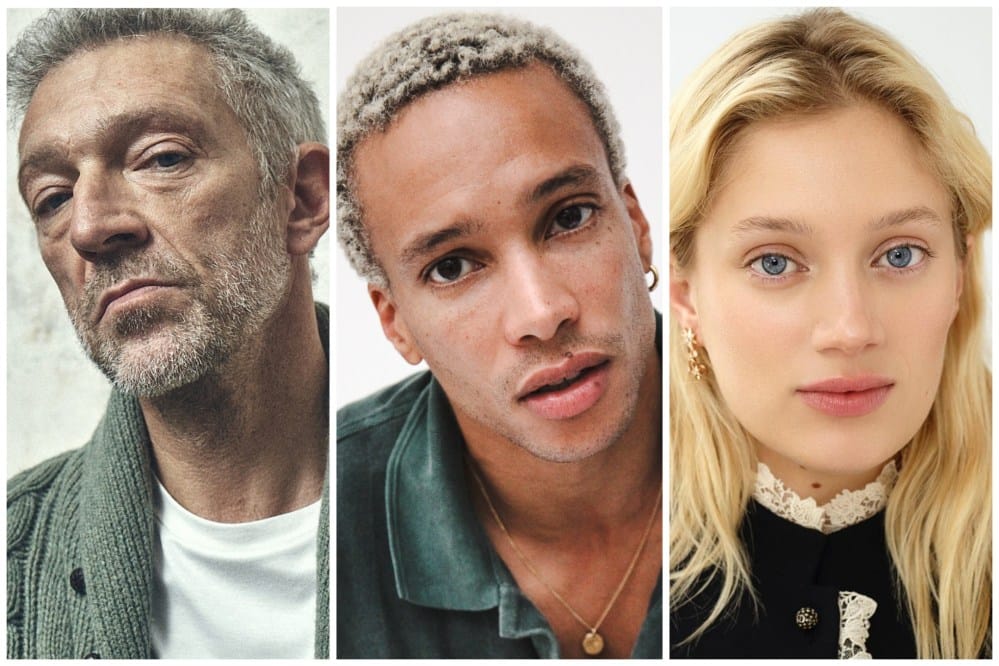
Vincent Cassel's name doesn't carry the same weight in American living rooms as it does in European cinema, but that's exactly the point. HBO announced that Cassel, along with French actors Corentin Fila and Nadia Tereszkiewicz, will join the Thailand-set fourth season of The White Lotus—a casting decision that says more about Mike White's anthology strategy than any press release could articulate. These aren't household names brought in to sell subscriptions. They're French actors who bring cultural texture to a show that has always understood its locations as characters, not backdrops.
The French additions join a previously announced ensemble that includes Sandra Bernhard, Helena Bonbon Carter, Steve Coogan, and Chris Messina—a roster that reads less like a traditional prestige TV lineup and more like a deliberate assembly of actors who can embody specific cultural tensions. HBO confirmed that casting is ongoing, which means the final ensemble will likely grow even more internationally diverse. What's notable is not just who's being cast, but what their presence signals about how White constructs his worlds.
The White Lotus has never operated on the assumption that star power sells premium television. Jennifer Coolidge's career resurgence from Season 2 proved the opposite: the show made her indispensable, not the other way around. Murray Bartlett, Natasha Rothwell, Aubrey Plaza—these were actors with devoted followings in specific circles, but not the kind of names that typically anchor HBO's flagship series. White's casting philosophy has always been actor-as-instrument rather than actor-as-draw, and the French contingent confirms he's doubling down on that approach for Thailand.
The decision to cast French actors for a Thailand-set season might seem counterintuitive until you consider the actual demographics of luxury tourism in Southeast Asia. French nationals represent a significant portion of high-end travelers to Thailand, alongside British, American, and Australian tourists—the same mix White appears to be building into his ensemble. This isn't diversity casting for optics. It's world-building that acknowledges the actual composition of the spaces the show interrogates. A Thai White Lotus populated entirely by Americans would be culturally dishonest, and White knows it.
Cassel brings a specific kind of European masculinity that American actors rarely embody convincingly—the kind shaped by different class structures, different sexual politics, different relationships to wealth and leisure. Fila and Tereszkiewicz, both rising figures in French cinema, add generational range that will likely play into the show's ongoing examination of how different age cohorts perform privilege. These aren't interchangeable casting choices. They're actors whose cultural fluency will inform how their characters move through the space, how they relate to service workers, how they understand their own entitlement.
What White has built across three seasons is a formula that prioritizes location as narrative engine. Sicily wasn't just a setting for Season 2—it was the thematic architecture. The Italian class system, the tension between old money and new wealth, the specific performance of Mediterranean masculinity—all of it required actors who could inhabit those dynamics without explanation. Thailand will demand the same cultural specificity, and casting French actors alongside the British and American ensemble creates the friction the show needs to function.
The anthology model White has perfected doesn't rely on returning characters or continuous storylines. It relies on returning to a specific kind of cultural examination: what happens when privilege collides with place, when tourists perform leisure in spaces built on service labor, when wealth insulates people from consequences until it doesn't. That examination only works if the casting reflects the actual texture of those collisions. A homogeneous American cast would flatten the power dynamics White is interested in dissecting.
The French casting also signals that HBO trusts White's vision enough to let him build ensembles that won't necessarily test well in focus groups. Cassel is a prestige name in global cinema, but he's not going to move the needle on Max subscriptions the way a Marvel star might. That HBO is comfortable with that—comfortable letting White cast for cultural authenticity rather than algorithmic appeal—suggests the show has earned enough institutional trust to operate outside the typical calculus of streaming strategy. The White Lotus has become the rare prestige series that gets to prioritize artistic coherence over demographic targeting, and Season 4's casting proves the network isn't interested in fixing what clearly isn't broken.
For more, see the White Lotus producer building Southeast Asia’s production hub and nichecasting and the death of monoculture.