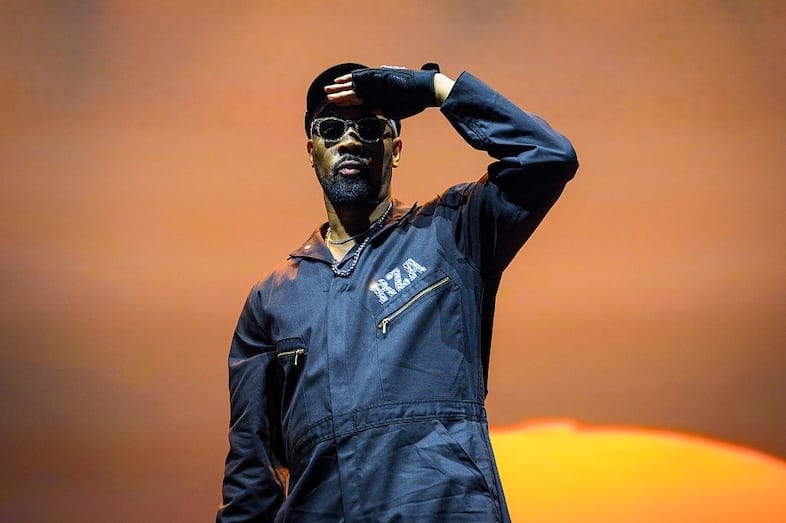
Wu-Tang Clan formed in 1992 with nine members, a radical approach to record deals, and a philosophy borrowed from kung-fu films: individual strength makes the collective unstoppable. Thirty-three years later, the group is announcing its farewell. RZA told Dazed Digital there have been "tears" as the group prepares for The Final Chamber Tour in 2026. What he didn't say—but what the timeline makes obvious—is that Wu-Tang's exit strategy has been visible for decades.
The farewell isn't surprising because the group struggled. It's surprising because they waited this long. Wu-Tang Clan pioneered the model that made the group format obsolete. Each member signed solo deals while remaining part of the collective, turning Wu-Tang into a brand umbrella rather than a traditional group. Ghostface Killah, Method Man, Raekwon, and GZA built solo careers that often eclipsed the group's output. RZA became a film composer and director. The collective was the launchpad. The solo work was the destination.
Hip-hop has always treated groups as temporary. Run-DMC, N.W.A, A Tribe Called Quest—most either dissolved or became nostalgia acts long before their members stopped making music. Wu-Tang's innovation was formalizing that impermanence into the business structure from the beginning. The group didn't fracture because of ego or money disputes. It was designed to fracture. The solo deals were the point.
What makes the farewell notable now is what it signals about how hip-hop's longest-running acts are finally reckoning with the limits of legacy touring. Wu-Tang has been playing the same venues, performing the same albums, and relying on the same mythology for over a decade. The Final Chamber Tour isn't an artistic decision—it's an economic one. Touring as a nine-member collective with full production costs more than most legacy acts can sustain when ticket buyers are aging out and younger audiences have no nostalgic attachment to Enter the Wu-Tang (36 Chambers).
RZA's comment about tears suggests the emotional weight of ending something that defined their careers. But the business reality is simpler: solo work pays better, offers more creative control, and doesn't require coordinating nine schedules. Method Man has had a television and film career for two decades. Ghostface Killah releases albums regularly. RZA scores films and produces. The group reunions were already the side project. The farewell just makes it official.
The broader pattern this reveals is how hip-hop's relationship with nostalgia differs from rock or pop. Rock bands reunite and tour for decades because the format itself—guitar, bass, drums, vocals—creates a specific sound that solo work can't replicate. Hip-hop collectives don't have that structural dependency. A rapper doesn't need the other eight members to perform their verses. The group was always about branding and cross-promotion, not musical necessity. Music documentaries have spent years romanticizing hip-hop collectives as creative utopias, but the business model was always more pragmatic than that narrative suggests.

Wu-Tang's farewell also exposes the limits of the mythology they built. The group's brand was rooted in exclusivity, mystery, and a kind of untouchable cool. But that mythology requires distance. The more they toured, the more accessible they became. The more interviews RZA gave, the less mysterious the operation seemed. Nostalgia works best when the object stays frozen in time. Wu-Tang kept performing, kept explaining, kept making themselves available—and in doing so, diluted the very thing that made them iconic.
The timing of the announcement matters. Hip-hop is in the middle of a generational shift where streaming has decoupled commercial success from album sales and touring revenue. Younger artists build careers on TikTok, SoundCloud, and playlist placements. The idea of a nine-member collective with matching logos and a shared brand identity feels like infrastructure from a different era. The creator economy has made the individual the unit of value, not the group. Wu-Tang invented that model in 1992. The industry just took thirty years to catch up.
What's left after the farewell tour is the solo work and the catalog. Wu-Tang's albums will continue generating revenue through streaming, licensing, and samples. The individual members will continue making music, acting, producing. The brand will live on as a reference point, a piece of hip-hop history that younger artists cite without necessarily understanding the business strategy behind it. The mythology will probably get stronger once the group stops performing—distance restores mystique.
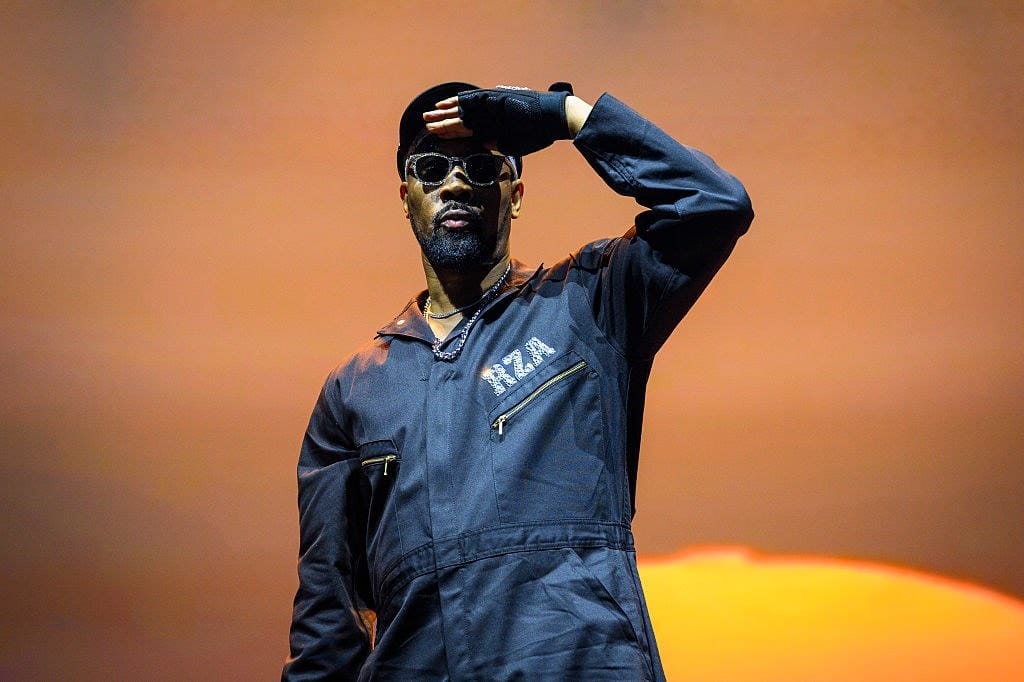
RZA's tears are real. Ending something you built over three decades is emotional regardless of whether it makes business sense. But the farewell also confirms what the solo careers proved years ago: the group was always a stepping stone, not a final destination. Wu-Tang Clan didn't fail. They succeeded so completely at their original mission—launching nine individual careers under one brand—that the collective became redundant. The Final Chamber Tour isn't an ending. It's a formality.
The question now is whether younger hip-hop collectives will follow the same trajectory or skip the group phase entirely. If the creator economy has taught the industry anything, it's that individuals retain more control, more revenue, and more flexibility than groups ever could. Wu-Tang proved that in 1992 by signing solo deals while staying under one umbrella. In 2026, they're proving it again by admitting the umbrella was always temporary. The collective was the infrastructure. The solo careers were the product. And the product doesn't need the infrastructure anymore.