Lee Sung Jin and Joanna Calo have written some of the most emotionally precise television of the last three years—Beef's escalating rage spiral, The Bear's kitchen chaos as family therapy. Now they're writing the X-Men reboot for the MCU, and the hire is the clearest signal yet that Marvel's post-Endgame strategy has shifted from spectacle to character work.
Director Jake Schreier confirmed to Collider that Jin and Calo are "working on a draft" of the script, though he emphasized the project is "still developing." The phrasing is careful—no release date, no casting announcements, no Kevin Feige keynote hype. But the writer selection alone is the story. Marvel isn't hiring blockbuster specialists or franchise veterans. It's hiring the people who made you feel something while watching a road rage incident destroy two lives over ten episodes.
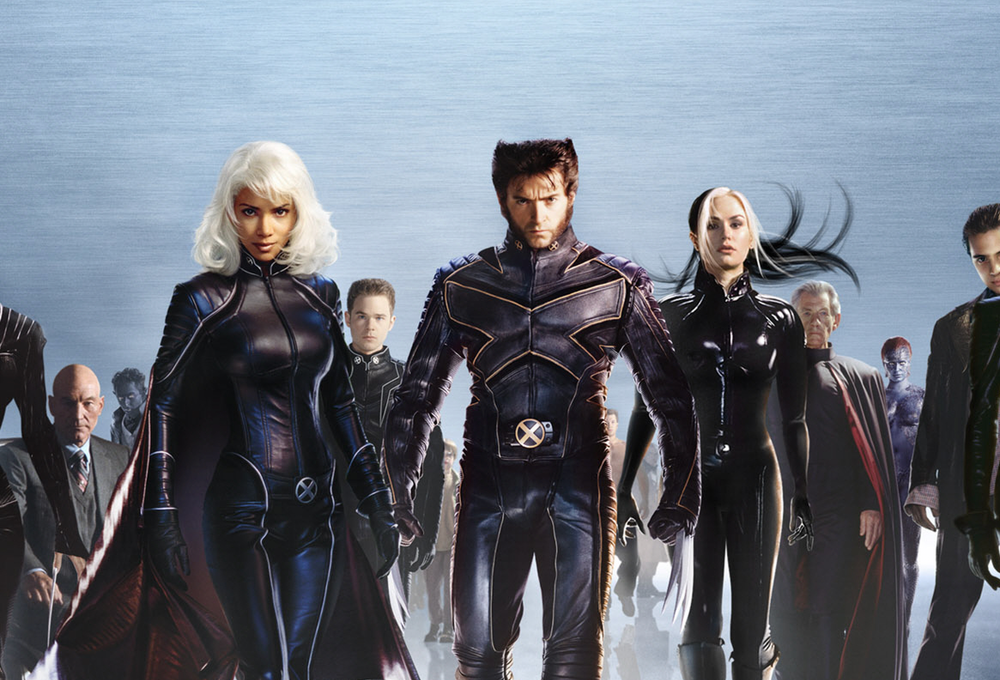
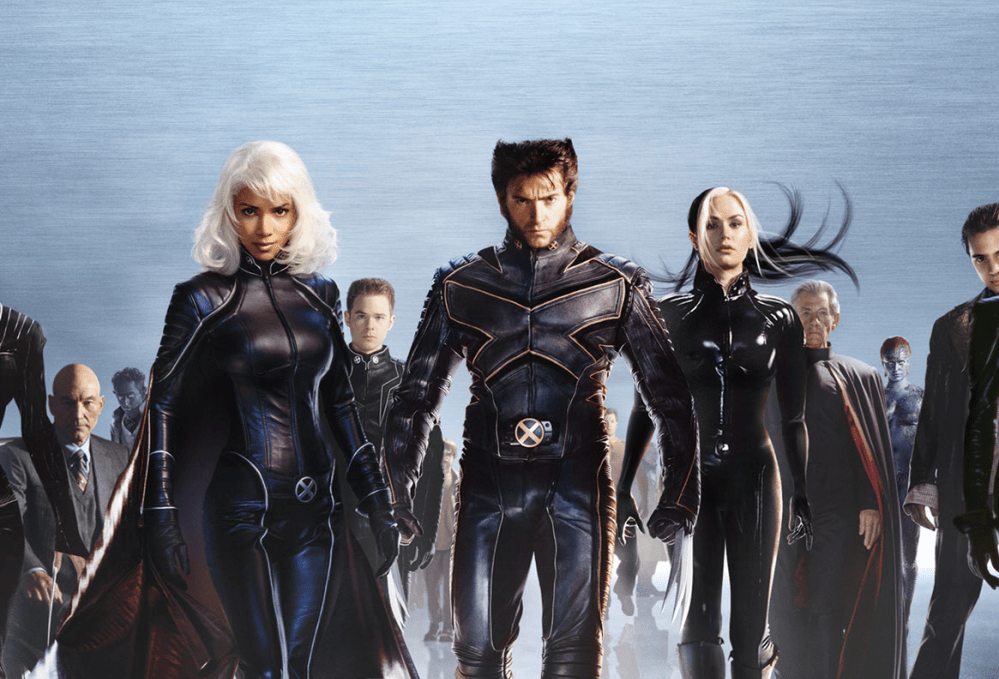
The X-Men have always been Marvel's most character-driven property. The best stories—from Chris Claremont's Dark Phoenix Saga to Grant Morrison's New X-Men—used superpowers as metaphor for identity, belonging, and systemic oppression. But Fox's film franchise, for all its cultural impact, often defaulted to spectacle over interiority. Bryan Singer's first two films worked because they prioritized character dynamics and allegory. Brett Ratner's The Last Stand and Simon Kinberg's Dark Phoenix failed because they treated emotional stakes as obstacle courses between action set pieces.
Marvel's decision to bring in prestige TV writers suggests the studio finally understands that the X-Men can't be fixed with better VFX or a bigger budget. They need writers who can make you care about what happens when the spectacle stops. Jin and Calo have both proven they can build emotional architecture that holds up under scrutiny. Beef turned a parking lot confrontation into a meditation on rage, class resentment, and the American dream's failure to deliver. The Bear used a struggling sandwich shop to explore grief, ambition, and the impossible standards people set for themselves and each other.
This is the same skill set the X-Men need. Mutants work as characters when their powers amplify their emotional conflicts—when Rogue's inability to touch anyone becomes a story about intimacy and isolation, when Cyclops's need for control mirrors his fear of his own destructive potential. The MCU's previous attempts at ensemble storytelling—The Avengers, Guardians of the Galaxy—succeeded because they balanced spectacle with character moments that felt earned. But the studio's recent output has struggled to justify why audiences should care about new heroes when the emotional stakes feel manufactured.
Hiring Jin and Calo is Marvel's acknowledgment that prestige TV's narrative infrastructure has become more valuable than blockbuster formula. It's the same calculation that led to Ryan Coogler producing the Disney+ Animorphs adaptation—studios now understand that IP alone doesn't guarantee audience investment. You need writers who can make people feel something before the third act saves the world.
The risk is that prestige TV's pacing doesn't always translate to theatrical storytelling. Beef and The Bear both thrive on slow-burn tension and episodic structure. A two-hour X-Men film doesn't have ten episodes to build character relationships or let conflicts simmer. Jin and Calo will need to compress their instincts without losing the emotional specificity that makes their work compelling. But if they can pull it off, the X-Men reboot could be the first MCU film in years that treats character drama as the main event—not the interlude between action sequences.
Marvel's blockbuster model has always been about spectacle first, character second. The X-Men reboot's writer selection suggests the studio is finally willing to reverse that formula. Whether audiences still show up for superhero films that prioritize emotional complexity over VFX showcases is the real test. But if the MCU is going to survive its own creative exhaustion, it needs to prove that character-driven storytelling can still be a blockbuster—not just a prestige TV export.