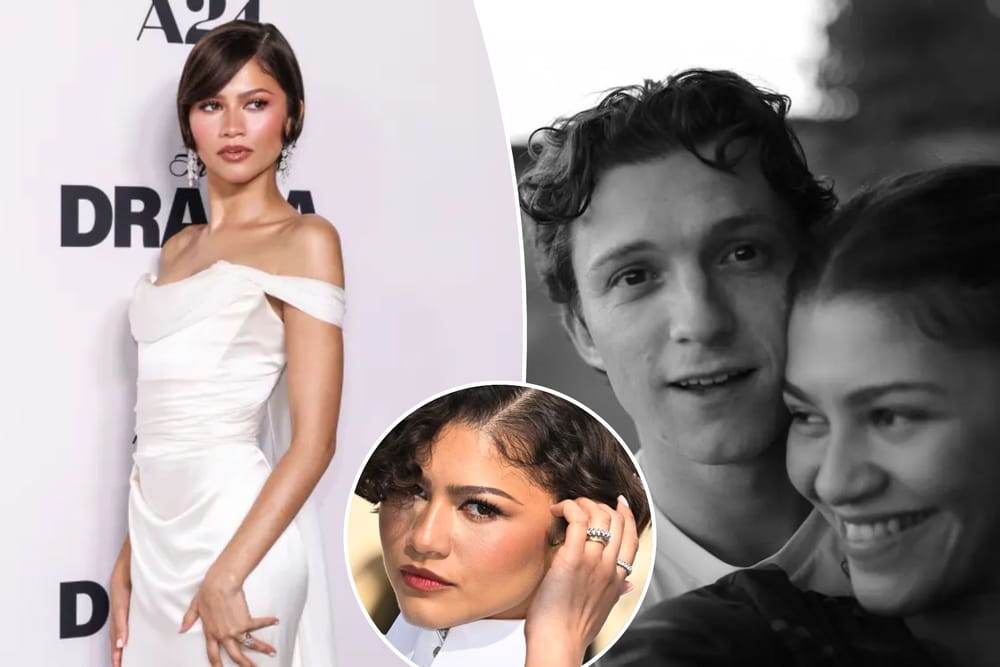
Law Roach told Page Six that he's been "fueling" the Zendaya marriage story "in more ways than one." That's not an admission. It's a press release dressed as candor. And it works because the entire machinery of celebrity PR has shifted from managing rumors to manufacturing them as content products.
Zendaya and Tom Holland have been together publicly since 2021, but the relationship has never followed the traditional celebrity relationship arc: paparazzi confirmation, red carpet debut, engagement rumors, wedding announcement. Instead, it's existed in a state of permanent semi-visibility — photographed just enough to confirm it's real, but never so much that it loses mystique. The marriage rumors have circulated for months, fueled by Instagram captions, red carpet styling choices, and now, explicitly, by Roach himself. The question isn't whether they're married. The question is why the ambiguity is worth more than the answer.
Celebrity relationships have always been PR assets, but the traditional model required a payoff. The tabloid cycle moved from speculation to confirmation to saturation. The wedding photos sold to People for seven figures. The divorce announcement broke traffic records. The value was in the reveal. But Zendaya's generation of A-listers has realized that the reveal is the least valuable part of the cycle. The speculation is the product. The ambiguity is the brand.
Roach's comment to Page Six isn't a slip. It's a signal. He's telling the audience that the game is being played — and that the game itself is the entertainment. This is celebrity PR as performance art, where the construction of the narrative is as visible as the narrative itself. It's not that Zendaya and Holland are lying about their relationship status. It's that the truth is less interesting than the performance of withholding it.
The strategy works because it aligns with how celebrity culture is consumed now. Social media collapsed the distance between stars and audiences, but it didn't create intimacy — it created the illusion of access. Fans don't want to know everything. They want to feel like they're figuring it out. The marriage rumor becomes a participatory mystery, with every Instagram story analyzed for clues, every red carpet appearance parsed for signals. The audience isn't passive. They're investigators. And the longer the mystery lasts, the more invested they become.
This is the same logic that drives celebrity image management strategies around queerness, political affiliation, and personal beliefs. The ambiguity functions as engagement bait, not evasion. It keeps the conversation open, the speculation alive, the fan theories churning. Confirmation ends the story. Ambiguity extends it indefinitely.
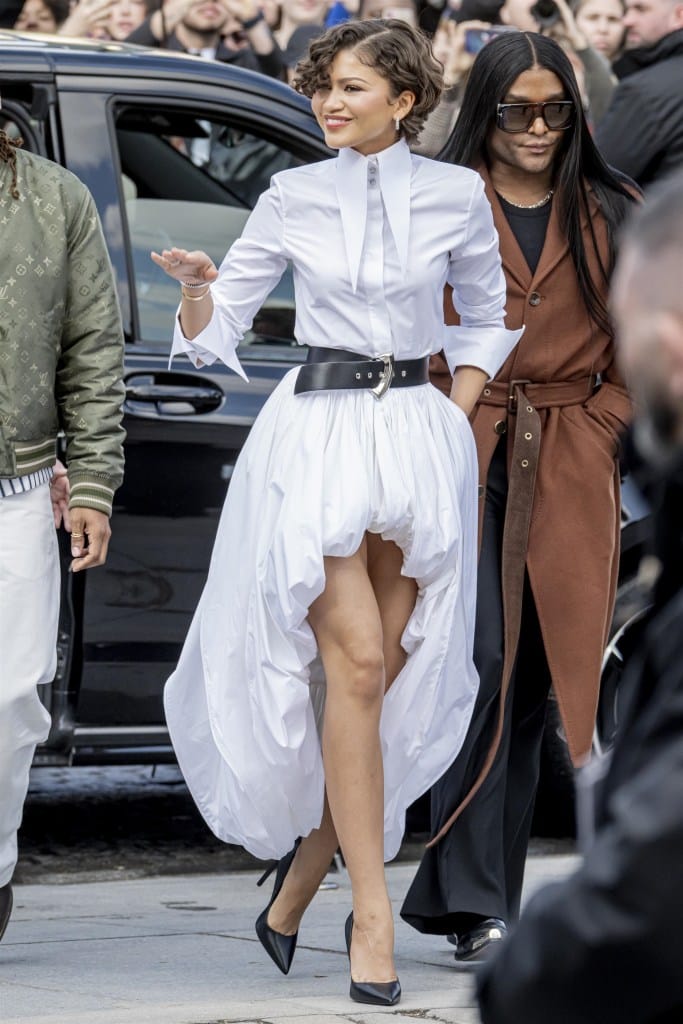
Roach's role in this is significant. As Zendaya's stylist, he's not just dressing her — he's building a visual language that communicates without confirming. A specific ring on a specific finger at a specific event. A color choice that mirrors something Holland wore weeks earlier. These aren't accidents. They're breadcrumbs, carefully placed to sustain the narrative without resolving it. Roach is one of the most influential stylists in the industry, and his work with Zendaya has always been about control — not just of her image, but of the conversation around it.
The marriage rumor also functions as counter-programming to the rest of celebrity culture. While other stars overshare on Instagram, post relationship content for engagement, and turn their personal lives into monetizable content, Zendaya and Holland have maintained a boundary. The rumor mill fills the space that Instagram stories would otherwise occupy. It's strategic withholding as brand differentiation. Every celebrity relationship now gets documented in real time, which makes the refusal to confirm or deny its own form of content.
This isn't unique to Zendaya. It's part of a broader shift in how the most commercially savvy celebrities manage their public personas. The refusal to perform intimacy has become a luxury signifier. Privacy isn't just a personal preference — it's a branding strategy. The less you give, the more valuable what you do give becomes. And the marriage rumor is the perfect vehicle for that strategy, because it allows the celebrity to be the subject of constant conversation without ever having to participate in it directly.

The risk, of course, is that the audience eventually loses interest. The ambiguity only works if people care about the answer. But Zendaya and Holland have managed to sustain interest precisely because they're not overexposed. Their relationship exists in the culture without dominating it. The marriage rumor surfaces every few months, generates a news cycle, and then recedes. It's a controlled burn, not a wildfire.
Roach's comment to Page Six also reveals something about the media's complicity in this system. By publishing his admission that he's "fueling" the story, Page Six isn't exposing the game — it's playing it. The outlet knows the audience wants the rumor more than the confirmation. The story isn't "Are they married?" The story is "Why won't they tell us?" And that's a story that can run indefinitely.
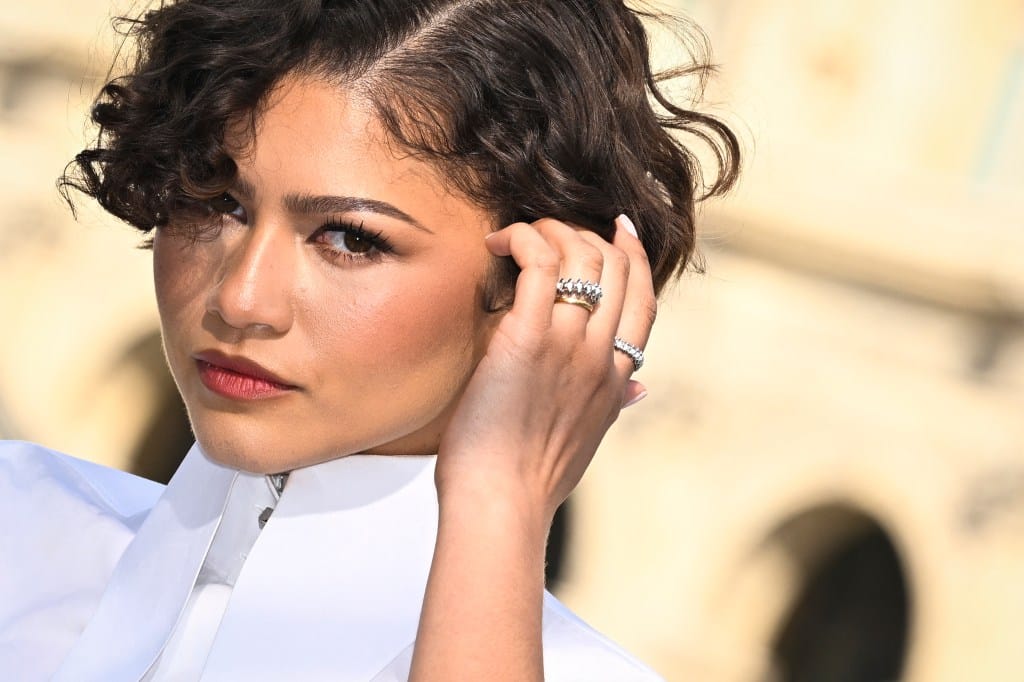
This is where celebrity PR has arrived: the performance of withholding is more valuable than the reveal. The ambiguity is the product. The speculation is the content. And the audience, fully aware that they're being played, participates anyway — because the game is more entertaining than the answer. Zendaya and Law Roach aren't hiding the marriage story. They're selling it. And as long as the question remains open, the product stays on the market.