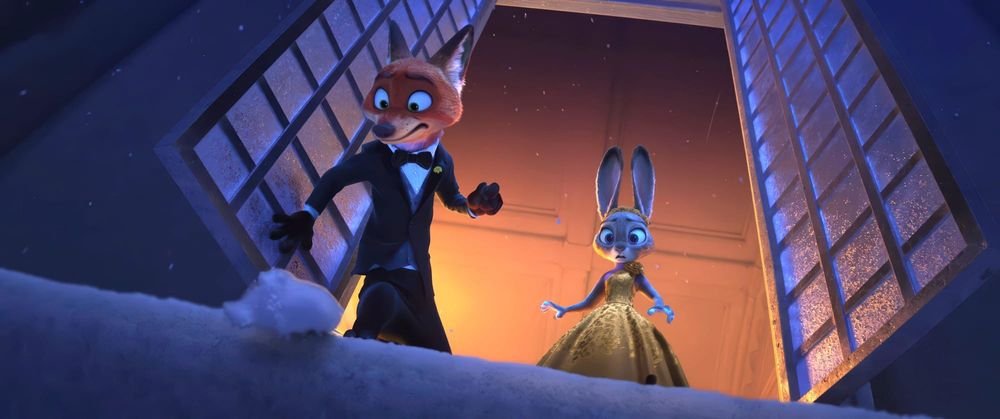
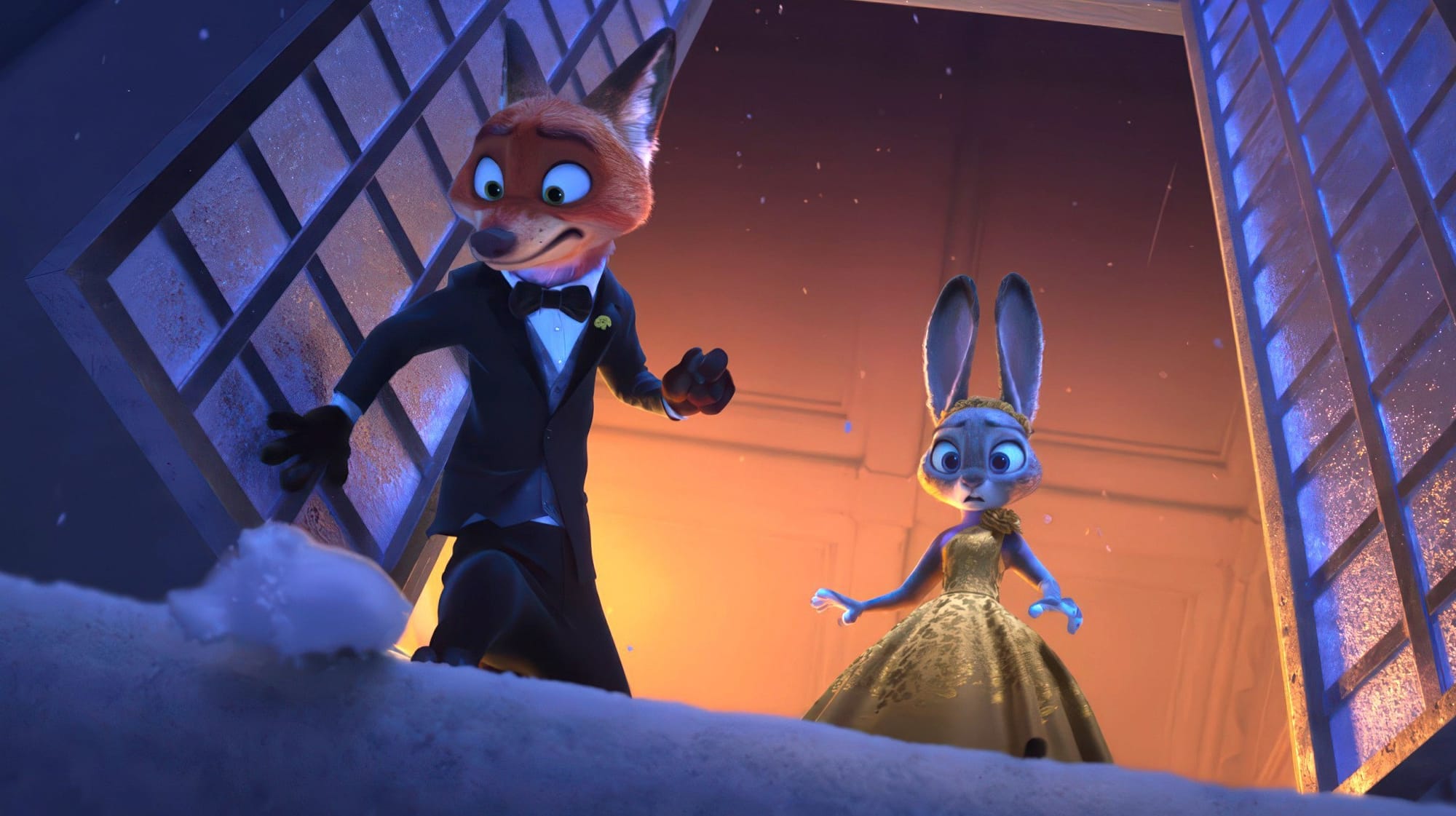
Zootopia 2 pulled in 32 million views globally in its first seven days on Disney+. That's after the film grossed $1.86 billion theatrically, making it the highest-grossing animated movie in Motion Picture Association history and the eighth highest-grossing film ever. The March 11 streaming debut didn't cannibalize the theatrical run — it extended it.
Disney has spent the last decade perfecting the theatrical-to-streaming handoff, and Zootopia 2 is the clearest proof yet that the model works when the IP is strong enough. The film had already finished its global theatrical cycle before hitting Disney+, which means the streaming debut functions as a second premiere rather than a competitor. Families who saw it in theaters are rewatching at home. Families who missed it theatrically are discovering it now. Disney gets to count both as wins.
The 885 million hours streamed across Zootopia, Zootopia+, and Zootopia 2 to date isn't just a vanity metric — it's proof that Disney's franchise architecture is designed for perpetual engagement. The original film came out in 2016. The Disney+ short-form series Zootopia+ dropped in 2022 to keep the IP warm between theatrical releases. Now the sequel arrives on streaming with a built-in audience that's been primed across three different formats over nearly a decade. That's not luck. That's infrastructure.
What makes this strategy work is that Disney isn't treating theatrical and streaming as competing priorities — it's treating them as sequential revenue opportunities for the same piece of IP. The theatrical window establishes cultural dominance and generates headlines. The streaming window converts that dominance into subscriber retention and merchandise sales. The fact that Zootopia 2 can deliver both a record-breaking box office and a massive streaming debut without either one undermining the other is the entire point of Disney's post-pandemic playbook.
Compare this to Netflix's approach, which has spent years trying to convince the industry that theatrical windows don't matter. Netflix releases films day-and-date on streaming or gives them token theatrical runs designed to qualify for awards, not to make money. Disney, meanwhile, is proving that the theatrical window isn't an outdated relic — it's the most effective marketing campaign a streaming platform can buy. Thirty-two million people showed up to watch Zootopia 2 on Disney+ because they'd already heard it was the biggest animated film of the year. That's not despite the theatrical run. That's because of it.
The risk for Disney is that this model only works when the IP is bulletproof. Zootopia 2 could command a $1.86 billion box office because the first film was a cultural phenomenon with staying power. But not every Disney release has that kind of equity. The studio's recent struggles with underperforming sequels and reboots suggest that the theatrical-to-streaming pipeline is only as strong as the IP feeding into it. When the theatrical run disappoints, the streaming debut doesn't magically fix it — it just makes the failure more visible.
Still, Zootopia 2's performance on both sides of the window gives Disney a playbook it can replicate with other billion-dollar franchises. The studio's willingness to collaborate with external IP like Bluey shows it understands that franchise dominance in 2026 requires flexibility, not just legacy brands. But when Disney's own IP can deliver numbers like this, the message to the rest of the industry is clear: theatrical windows aren't dead. They're just the opening act.
The 32 million views in seven days isn't just a streaming win — it's proof that Disney has figured out how to make the same piece of content pay twice. And in an entertainment economy where even Disney's leadership is struggling to justify massive production budgets, that's the kind of efficiency every studio is chasing.