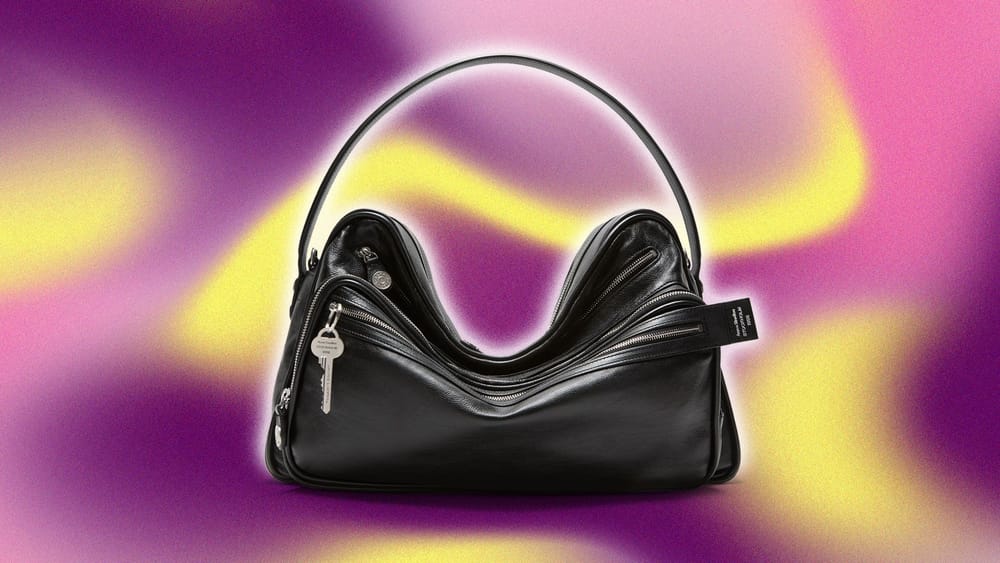
The tote bag spent two decades as fashion's most reliable shorthand for a certain kind of cultural literacy. You carried your MacBook in a Strand bag, or something from The New Yorker, or — if you were particularly committed to the bit — a canvas number from your local independent bookstore with a Didion quote screenprinted on the side. The tote was democratic, practical, and just self-aware enough to feel like a choice rather than a default. Then it became the default. And now, according to GQ, stylish men have moved on to Acne Studios' Camero bag — a structured leather carryall that costs $650 and looks nothing like the NPR merch it replaced.
The Camero's rise isn't just about aesthetics. It's about what the tote accumulated over its reign: the baggage of virtue signaling, the visual shorthand for "I read things," the performance of being the kind of person who shops at farmers markets and listens to podcasts. The tote became so ubiquitous it stopped meaning anything — or worse, it started meaning too much in the wrong direction. Carrying a tote in 2026 reads less like taste and more like a LinkedIn bio that lists "thought leader" without irony.
The Camero, by contrast, doesn't announce anything. It's just a well-made bag that happens to cost more than your monthly MetroCard budget. It signals taste, but quietly — the kind of taste that doesn't need to tell you it supports public radio because it's too busy actually supporting things that matter. This is the same shift Polo Ralph Lauren leaned into with its Fall 2026 collection — betting that heritage and craft can outlast the performance of values. The Camero bag is what happens when fashion decides that looking like you care is more valuable than performing that you care.
What makes the Camero's dominance particularly revealing is its timing. The bag didn't emerge during a moment of fashion innovation or a broader cultural shift toward minimalism. It arrived during a period when men's fashion was already drowning in backpacks, crossbody bags, and the occasional briefcase revival. The tote was still everywhere. But the tote had become the visual equivalent of a Spotify Wrapped screenshot — something you carried because it said something about you, not because it worked for you. The Camero works. It holds a laptop, it looks good with a suit or a hoodie, and it doesn't make you look like you're on your way to a book club you're definitely going to cancel on.
The shift also tracks with a broader pattern in how fashion-forward men are building their wardrobes in 2026. The algorithm-driven hype cycle that dominated menswear for the past decade — the limited drops, the resale markups, the Supreme-to-StockX pipeline — has started to feel exhausting. The Camero isn't limited. It's not hyped. It's just available, well-made, and expensive enough to feel like a decision rather than an impulse. This is the same logic driving the quiet luxury conversation, except the Camero isn't trying to be quiet. It's just not screaming.
There's also a practical element here that the tote never solved: structure. A tote bag is a black hole. You throw things in and hope you remember where your keys are. The Camero has compartments, a zipper, and enough rigidity to suggest that the person carrying it has their life together — even if they don't. It's the bag equivalent of Harry Styles' SNL wardrobe strategy: multiple looks, each one doing specific work, none of them accidental.
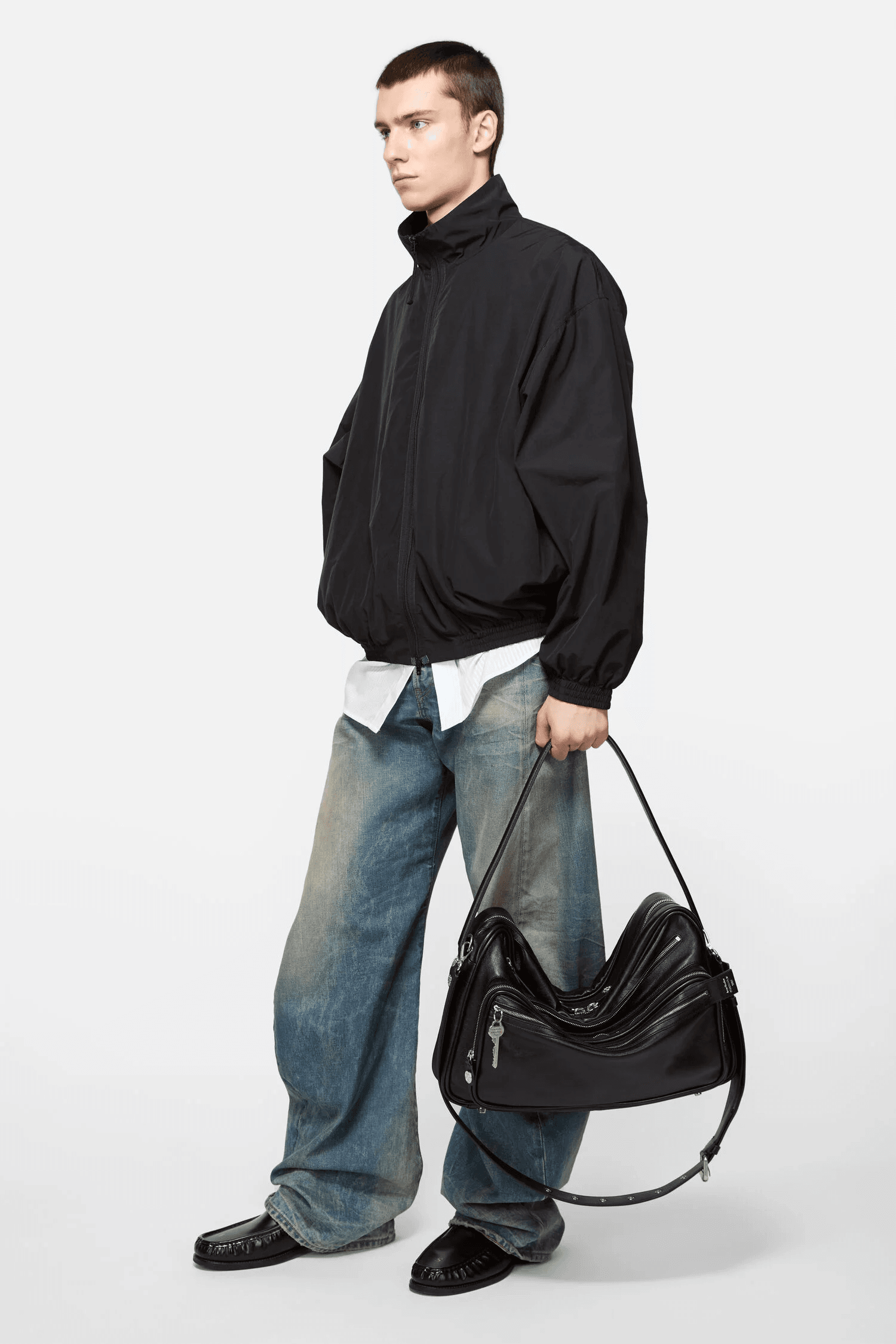
The tote's decline also mirrors a larger cultural exhaustion with the performance of intellectualism. The tote was never just a bag — it was a prop in a broader aesthetic project that positioned its carrier as someone who read The New Yorker, shopped at Whole Foods, and had opinions about gentrification (while contributing to it). That performance has calcified into parody. The Camero doesn't perform anything. It just exists as a well-made object that costs $650 and does what it's supposed to do. In an era when celebrity discourse runs out of real scandals and manufactures outrage over opera attendance, the Camero's appeal is that it refuses to be about anything other than itself.
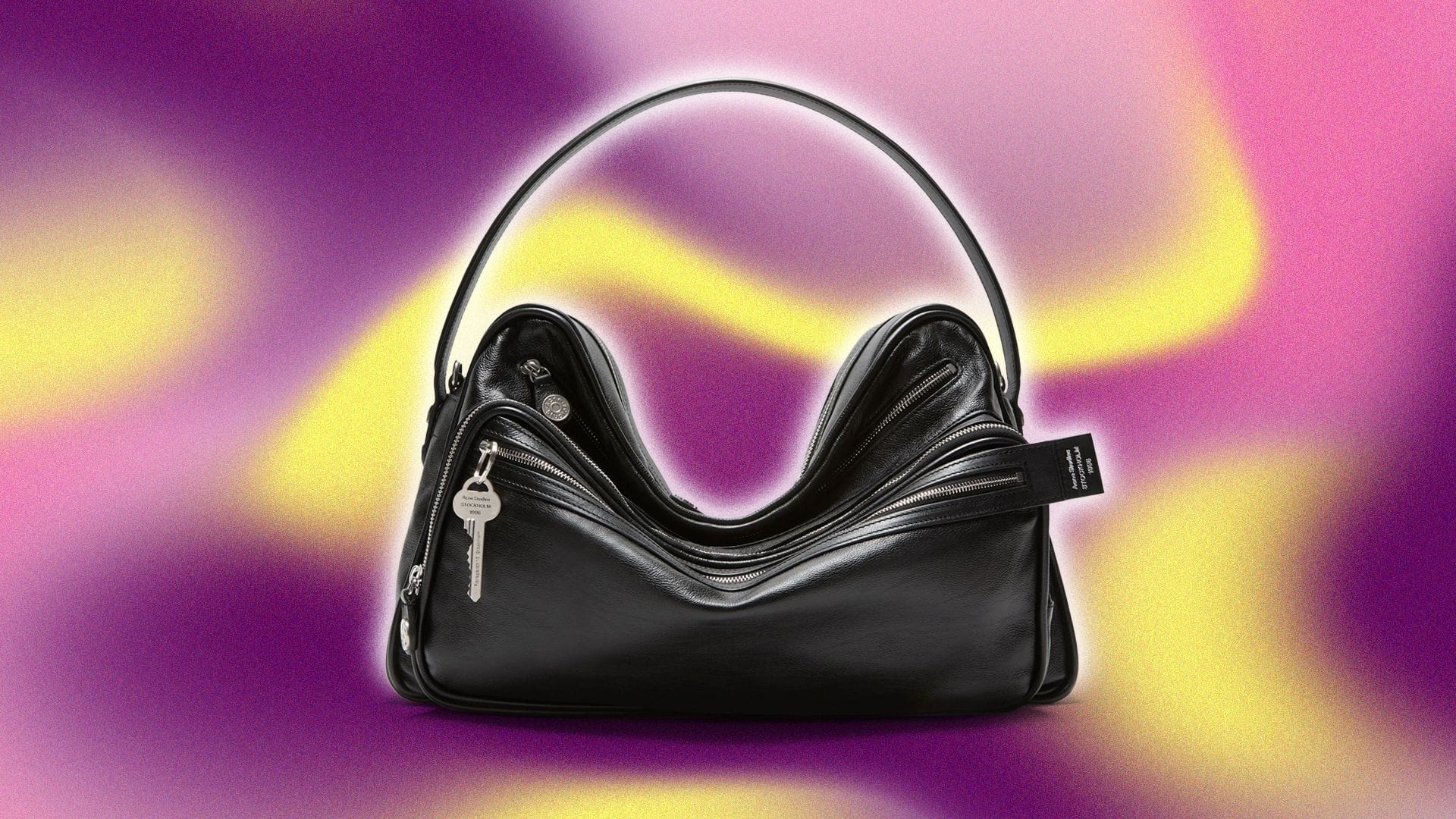
What happens next will depend on whether Acne Studios can keep the Camero from becoming what the tote became: so ubiquitous it stops meaning anything. The tote's problem wasn't that it was everywhere — it's that it became a uniform for a specific kind of performative cultural consumption. The Camero's advantage is that it costs enough to remain selective, but not so much that it tips into pure luxury signaling. It's the sweet spot where taste lives: expensive enough to be a choice, accessible enough to feel like a good one. Whether that balance holds, or whether the Camero becomes the next thing everyone carries until no one wants to, is the question that will define whether this shift sticks or just becomes another trend cycle fashion forgot to resist.