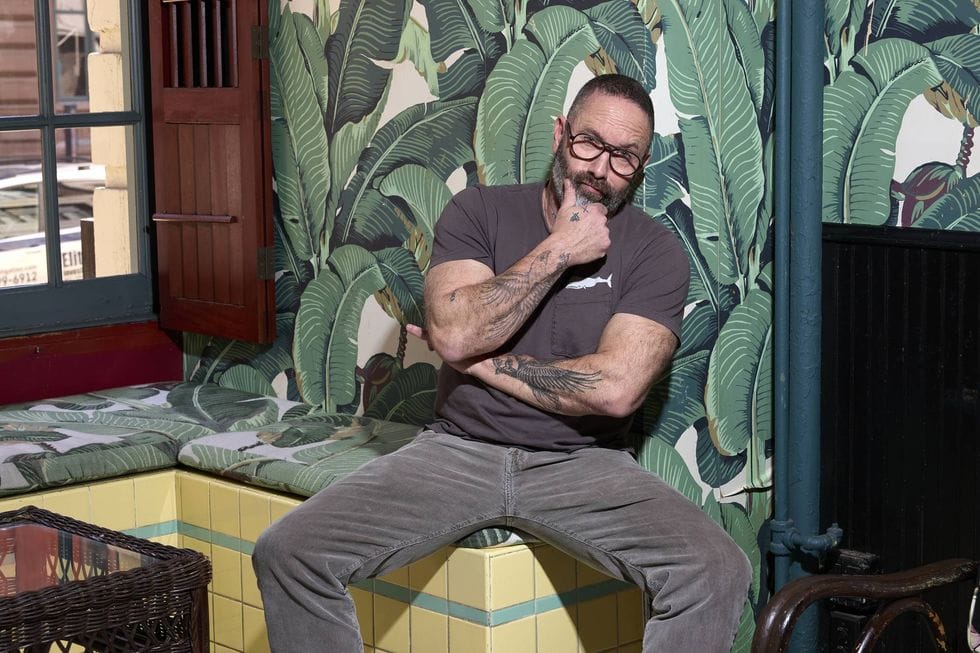
Alexis Bittar sold vintage clothes on a quilt on St. Mark's Place when he was 13. By 24, he was designing jewelry sold at Bendel's, Barneys, and Bergdorf's—while still selling on the street. Years later, he sold the company that bore his name. Then he bought it back. And instead of returning to the traditional designer playbook—expand retail, chase wholesale accounts, build brand awareness through expensive ad campaigns—he became a content producer.
According to Paper Magazine, Bittar launched a social media series after reacquiring his brand that became an instant viral sensation. The move positions him less as a jewelry designer and more as an entertainment mogul who also happens to make accessories. It's a structural shift that reveals how independent fashion creatives are rethinking monetization in an era when product margins are shrinking and attention is the more valuable asset.
Bittar's trajectory from street vendor to Bergdorf's to viral video producer maps onto a larger pattern: designers who built their names in traditional retail are realizing the infrastructure that made them famous no longer supports sustainable businesses. Wholesale is consolidating. Department stores are closing. Direct-to-consumer e-commerce is expensive and algorithmically punishing. The old model required designers to continuously grow product sales to justify their existence. The new model lets them monetize their persona, their taste, and their point of view—without needing every viewer to convert into a customer.
This isn't influencer culture. Bittar isn't selling someone else's product with affiliate links. He's building a media property that happens to be anchored by a jewelry brand. The series creates a parasocial relationship with an audience, which increases brand affinity, which eventually drives product sales—but the content itself has value independent of conversion rates. That's the distinction. Traditional designers made things and hoped people noticed. The new model makes noticing the product.
The strategy mirrors what Zendaya and Law Roach have done with their marriage rumor campaign—turning celebrity narrative into a branded performance that generates attention without requiring a traditional product launch. It also reflects the broader shift documented in Marc Jacobs and Sofia Coppola's 90s collaborations, where creative partnerships were driven by genuine affinity rather than transactional brand deals. Bittar's approach combines both: the authenticity of a designer who genuinely has something to say, and the calculated understanding that saying it on camera is now more valuable than saying it through product alone.
What makes Bittar's move particularly sharp is the timing. He didn't launch the series to save a failing brand—he bought back the brand specifically to build the media arm. That suggests he saw the reacquisition not as a return to his roots, but as an acquisition of IP he could leverage in a different business model entirely. The jewelry is the anchor. The content is the business.
This is the same calculation that drives legacy media companies hiring creator economy executives: they're not trying to make better TV, they're trying to understand how attention works when distribution is democratized and parasocial relationships are currency. Bittar figured it out faster than most fashion brands because he never stopped being a street vendor. He's always understood that the transaction happens where the audience is—not where the industry thinks it should be.
The risk is that the content overshadows the product entirely, and Bittar becomes famous for being famous rather than for making jewelry people want to buy. But that's a better problem than the one most independent designers face: making beautiful things nobody knows exist. Bittar's bet is that if you can get people to care about you, they'll eventually care about what you make. And if they don't, at least you built an audience you can monetize in other ways.
The jewelry designer as entertainment mogul isn't a pivot. It's an admission that in 2026, those jobs are the same.