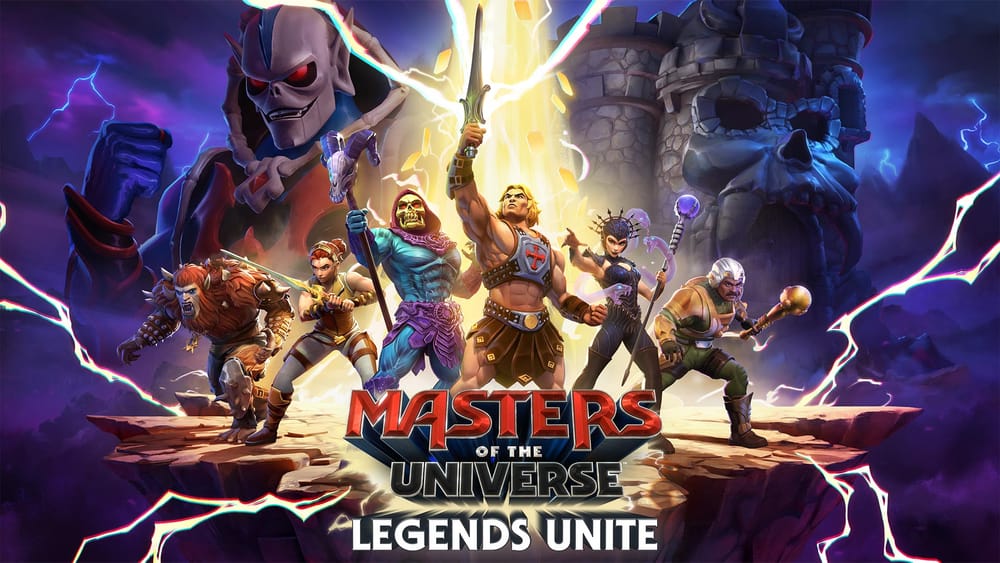
Amazon and Mattel just collapsed the old IP merchandising timeline. "Masters of the Universe: Legends Unite" launches June 5 on Amazon Luna — the exact same day the theatrical release from Amazon MGM Studios hits theaters. Not a month later. Not timed to the home video window. Day one.
This isn't a tie-in game built to capitalize on box office momentum. It's a synchronized launch designed to treat gaming as part of the storytelling ecosystem from the jump. The old model — movie first, game six months later as a revenue afterthought — assumed gaming was downstream merchandising. This strategy positions it as a parallel narrative experience, launching simultaneously because the audience that shows up opening weekend is already fluent in multiple formats.
Amazon has infrastructure advantages here that most studios don't. Luna gives them a first-party gaming platform where they control distribution, pricing, and the user experience without negotiating with Sony, Microsoft, or Valve. That's the same vertical integration logic driving Amazon's early renewals for BookTok adaptations — when you own the entire pipeline, you can move faster and take creative risks that multi-party deals make prohibitively complicated.
The Masters of the Universe franchise has been through multiple reboot cycles, each one attempting to recapture the 1980s toy-driven cultural dominance that made He-Man a household name. But nostalgia alone doesn't build a sustainable IP strategy in 2026. What does: treating every format as a legitimate storytelling medium rather than a ancillary revenue stream. Gaming isn't being used here to extend the movie's shelf life — it's being positioned as an equally important entry point into the franchise for audiences who might never set foot in a theater.
This approach mirrors how Epic Games built Fortnite into a cultural platform by making collaboration central to the experience rather than cosmetic. The difference is that Amazon and Mattel are applying that logic at the franchise architecture level. The game isn't an add-on. It's foundational to the IP rollout, designed to capture audience attention across multiple consumption habits simultaneously.
The risk, of course, is fragmentation. A day-and-date launch assumes the audience has enough bandwidth to engage with both a theatrical release and a gaming experience in the same week — and that both are good enough to justify the attention. If either one underperforms, it drags the other down. But if both land, the compounding effect is significant. Players who spend hours in the game world become evangelists for the movie. Moviegoers who want more story have an immediate place to go. The IP stops being a single product and starts functioning as an ecosystem.
Luna's role here is also worth noting. Amazon has struggled to position the cloud gaming service as a must-have platform in a market dominated by console and PC gaming. A high-profile exclusive tied to a major theatrical release gives Luna a reason to exist beyond being Amazon's experimental side project. It's the same strategy that made HBO's Harry Potter reboot a necessity rather than a creative choice — when you own the distribution, you build the content that justifies the infrastructure.
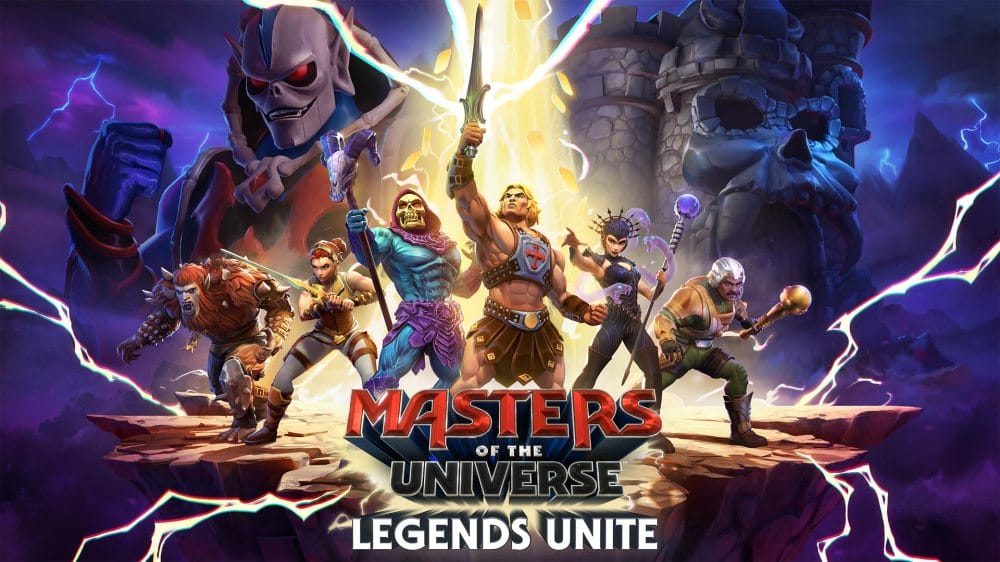
The broader pattern here is that franchise owners are done treating gaming as a secondary format. The revenue potential is too large, the audience too engaged, and the storytelling possibilities too rich to relegate gaming to post-release cash grabs. What Amazon and Mattel are testing with Masters of the Universe is whether synchronized, multi-format launches can become the new standard — where the game, the movie, and whatever else comes next all arrive as parts of a single, coordinated IP event.
If this works, expect more studios to follow. The old merchandising playbook assumed a linear consumption path: see the movie, buy the toy, maybe play the game later. The new model assumes audiences move fluidly between formats and that the IP needs to be present everywhere at once, not rolled out in stages. June 5 will show whether that assumption holds — or whether trying to do everything at once just dilutes the impact of both.