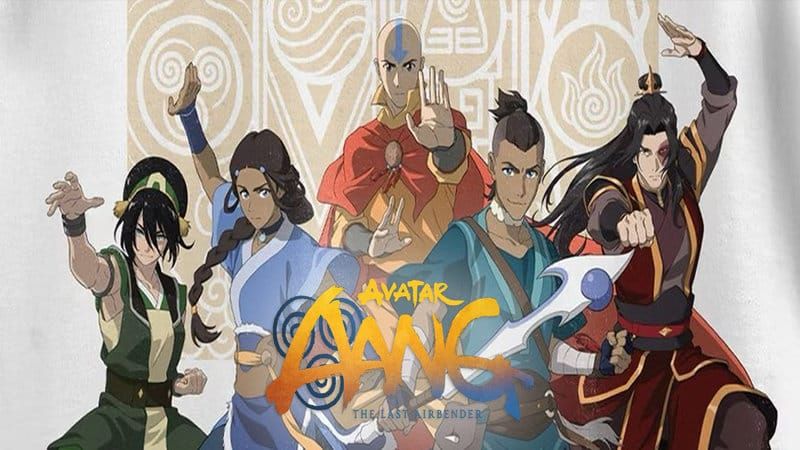
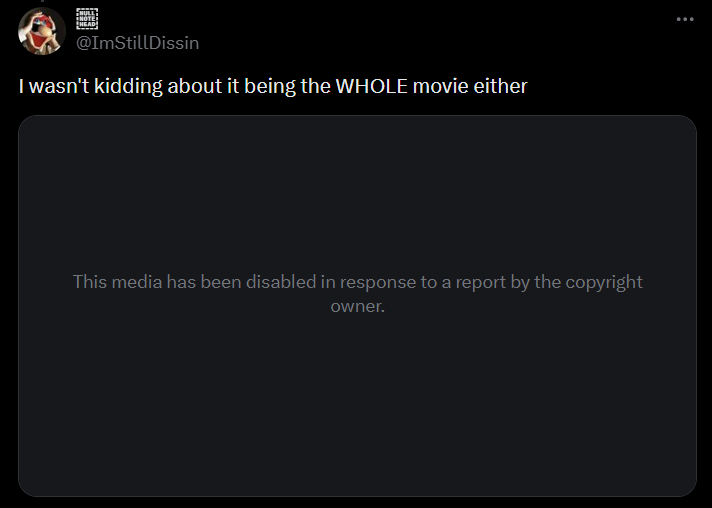
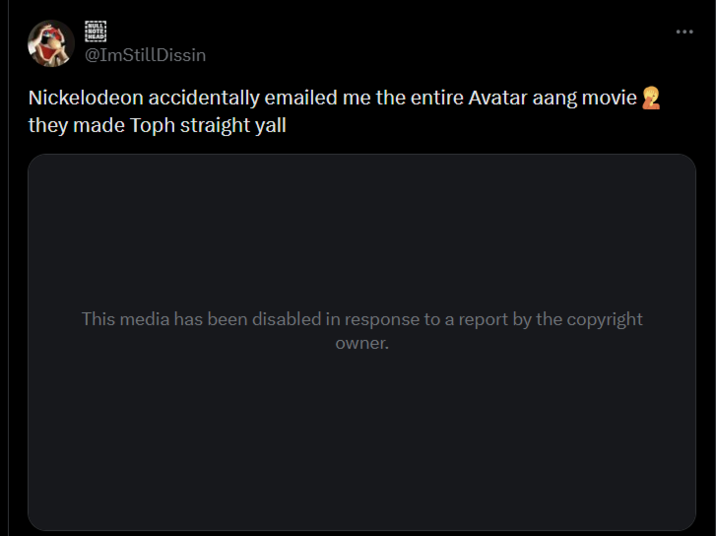
Someone at Paramount allegedly sent the entire Avatar: Aang movie to the wrong email address. Six months before its scheduled October 9th, 2026 theatrical release, the film—along with content from other Nickelodeon properties—leaked online on April 12th. One X user claimed they received the file directly from the studio. By the time Paramount's legal team started issuing takedowns, the damage was done. Clips, screenshots, and full uploads had already scattered across the platform.
This is not a story about sophisticated hackers breaching studio servers. This is a story about someone hitting "send" on the wrong email. The leak exposes the weakest link in Hollywood's content security infrastructure: the humans who handle the files. Studios spend millions on encryption, watermarking, and digital rights management. They build entire departments around preventing leaks. And then someone emails the wrong person.
The Avatar: Aang leak is the latest in a pattern that studios still can't solve. Pre-release piracy used to require physical theft—stealing film reels, bribing projectionists, recording screenings with hidden cameras. Now it requires a single file transfer. The shift from physical to digital distribution made content easier to protect in theory and catastrophically easier to leak in practice. Every screener sent to a critic, every rough cut shared with a marketing partner, every final file delivered to a theater is a potential leak vector. And social media platforms like X, TikTok, and Telegram have become the distribution infrastructure pirates never had to build themselves.
What makes this leak particularly damaging is the timing. Six months is an eternity in the pre-release hype cycle. Paramount now has to spend the next half-year managing a narrative it no longer controls. Spoilers are already circulating. Fan reactions are forming based on an unfinished or improperly color-graded version of the film. The studio's carefully orchestrated marketing campaign—timed trailer drops, exclusive first looks, controlled press access—just became irrelevant. The audience has already seen the movie.
The leak also highlights how little power studios actually have once content hits social media. Paramount can issue DMCA takedowns. It can threaten legal action. It can ask X to remove posts. But the platform's enforcement is slow, inconsistent, and easily circumvented. By the time one upload gets taken down, three more have appeared. Clips get screen-recorded and re-uploaded. Screenshots get turned into memes. The content fragments and spreads faster than any legal team can track. Social media platforms are not designed to stop this. They are designed to amplify it.
Hollywood has spent the last decade treating piracy as a technology problem. The industry invested in better encryption, stricter NDAs, and forensic watermarking that can trace leaks back to individual screeners. But those solutions assume the leak happens through a technical vulnerability. The Avatar: Aang leak reportedly happened because someone sent an email to the wrong address. No amount of encryption prevents human error. No watermarking system stops someone from forwarding a file they were authorized to receive.
This is the same problem that collapsed OpenAI's Sora platform before Disney could even launch it—infrastructure is only as secure as the people who control access to it. Studios can build the most sophisticated content protection systems in the world, but if the file ends up in the wrong inbox, none of it matters. The weakest link is not the technology. It is the assumption that everyone with access to sensitive material understands the consequences of a mistake.
The Avatar: Aang leak will not kill the movie's box office. Most people will still see it in theaters. Leaks rarely tank major releases—audiences want the full theatrical experience, not a compressed file with burnt-in timecodes. But the leak does strip away the mystique. It removes the studio's ability to control the conversation. And it proves that pre-release piracy in the social media age is not a solvable problem. It is a permanent risk built into the distribution model itself.
Paramount will investigate. Someone will probably lose their job. The studio will tighten its file-sharing protocols and add more layers of approval before sensitive content gets sent anywhere. And then, inevitably, it will happen again. Because the infrastructure that makes modern film distribution possible—email, cloud storage, digital screeners—is the same infrastructure that makes leaks inevitable. Studios can mitigate the risk. They cannot eliminate it. And as long as social media platforms exist to amplify and distribute leaked content faster than legal teams can respond, pre-release piracy will remain a structural problem with no technical solution.
More from Tinsel Magazine