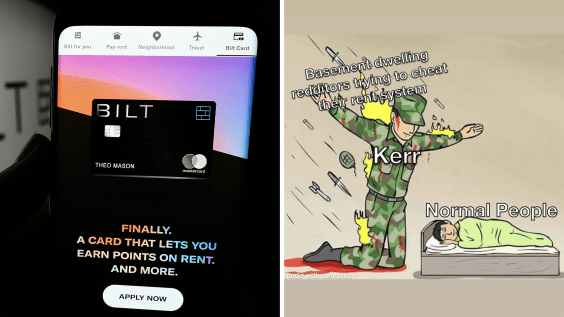
Bilt Rewards, the fintech company that promises credit card points for rent payments, walked into Reddit's r/IAmA forum expecting a soft-pitch marketing opportunity. What they got instead was a masterclass in how platforms built on user authenticity will publicly dismantle brands that treat communities as captive audiences. The company's founder, Ankur Jain, told The Daily Dot during the AMA that Bilt "can't run a business off of the Banana Boys"—referring to users who optimize rewards programs by buying bananas on the first of every month to maintain account activity. He also dismissed critics as "basement-dwelling Redditors."
The comments detonated immediately. Reddit's voting system, which surfaces the most upvoted questions and buries corporate spin, turned the AMA into a real-time interrogation of Bilt's business model. Users demanded answers about the company's profitability, its reliance on venture capital, and whether the rewards structure was sustainable or just another cash-burning growth play. Jain's responses—defensive, dismissive, and dripping with contempt for the people asking—only accelerated the collapse. By the time the AMA ended, the thread had become a case study in what happens when a brand confuses platform access with community buy-in.
Reddit's AMA format is a trap for companies that don't understand the difference between marketing and conversation. Unlike Instagram or TikTok, where brands can control the narrative through curated content and algorithmic distribution, Reddit's structure is hostile to PR spin. The upvote/downvote system is democratic in a way that makes corporate messaging impossible to game. If users smell inauthenticity, they'll bury it. If they detect condescension, they'll weaponize it. Bilt walked in expecting softball questions and walked out with a reputational crisis—because the company treated Reddit like a press release distribution channel instead of a community with its own norms, skepticism, and capacity for collective punishment.
The "Banana Boys" comment is particularly instructive. Jain wasn't wrong that rewards optimization is a low-margin behavior for Bilt—users who game the system for minimal spend are not the customers the company needs to scale. But saying it out loud, in a forum designed to surface unfiltered answers, was a strategic disaster. It confirmed what many users already suspected: that Bilt's rewards program is designed to attract high-spending renters, not to serve the people most likely to need help building credit. The insult wasn't just rude—it was a confession that the company's business model depends on excluding the very users it was pretending to court.
This isn't the first time a brand has misjudged Reddit's culture. L.L. Bean's response to Paul Anthony Kelly's past showed how brands are still learning to navigate internet communities that demand accountability, not spin. The "TikTok informed" dismissal from doctors operates on similar logic: experts treating platform communities as less legitimate than traditional gatekeepers, only to discover that those communities have their own mechanisms for calling out condescension.
What makes Bilt's disaster particularly revealing is that the company had no structural reason to do the AMA in the first place. Unlike a celebrity promoting a project or a politician courting voters, Bilt didn't need Reddit's approval to operate. The AMA was a voluntary marketing play—an attempt to build goodwill and brand awareness in a community known for financial literacy and rewards optimization. Instead, the company exposed its contempt for the users most invested in understanding how its business actually works. Reddit didn't reject Bilt's product. It rejected the company's assumption that showing up was enough.

The fallout extends beyond one bad thread. Screenshots of Jain's comments circulated across Twitter, TikTok, and personal finance forums, turning the AMA into a viral example of founder arrogance. Brand campaigns built on performance can succeed when the performance is intentional—but Bilt's performance was accidental, and it revealed the company's actual values. The "basement-dwelling Redditors" Jain dismissed are the same users who drive discourse on credit card rewards, fintech trustworthiness, and whether venture-backed consumer apps are sustainable businesses. Alienating them wasn't just bad PR—it was bad strategy.

The lesson here isn't that brands should avoid Reddit. It's that platforms with democratic engagement structures will punish companies that mistake access for influence. Reddit's AMA format works for people who are willing to answer hard questions honestly—musicians explaining creative decisions, scientists breaking down research, activists defending their strategies. It doesn't work for brands that want to control the conversation. Bilt learned this the hard way. The company walked into a community forum expecting deference and left with a permanent record of why Reddit users don't trust fintech founders who call them banana-buying basement dwellers. That record isn't going anywhere.