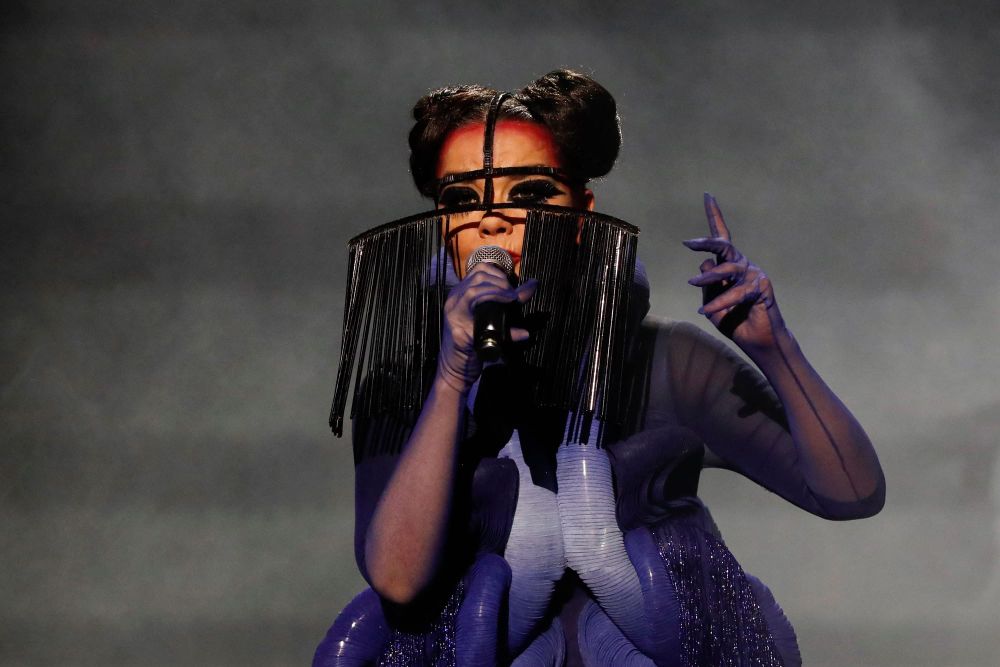
August 12, 2026. Total solar eclipse. Iceland. Björk.
The one-day festival is called Echolalia, and according to Pitchfork, it sits directly in the path of totality—meaning attendees will experience the full darkness of the moon blocking the sun while presumably dancing to one of pop music's most uncompromising artists. The festival's name references a neurological phenomenon where someone involuntarily repeats words or phrases they've just heard, which is either a clever nod to the way sound behaves in extreme environments or Björk being Björk. Either way, it's the kind of conceptual framing that makes a rave feel like a pilgrimage.
This isn't the first time a festival has scheduled itself around a celestial event, but it might be the first time the event feels less like a gimmick and more like infrastructure. Solar eclipses are rare, predictable, and geographically specific—which means they offer something the festival circuit desperately needs: a built-in narrative that doesn't rely on lineup announcements or brand partnerships. You can't book a headliner bigger than the moon.
Iceland has become a magnet for this kind of experience-driven tourism. The country's landscape already functions as a natural stage set—volcanic, alien, hostile in the best possible way. Adding a total solar eclipse to that equation turns the entire event into something closer to Shaun White's Snow League strategy: claim a location and a moment that no one else can replicate, then build the event around the exclusivity of being there.
What makes Echolalia sharper than most festival concepts is that it's not trying to be Coachella in a different climate. It's a one-day event, which immediately signals that it's not about building a weekend economy or selling VIP cabanas. It's about the eclipse. The music is the soundtrack to a natural phenomenon, not the other way around. That inversion matters—it's the difference between a festival that happens to occur during an eclipse and a festival that exists because of one.
This approach also sidesteps the oversaturation problem plaguing the festival industry. Multi-day festivals are expensive to produce, difficult to differentiate, and increasingly hard to sell out unless you're legacy brands with decade-long track records. A one-day event tied to a specific celestial occurrence doesn't need to compete with Glastonbury or Primavera—it's already operating in a different category. It's closer to Alex Cooper's Unwell Winter Games: a tightly contained spectacle designed to feel unmissable precisely because it won't happen again.
The timing also plays into something larger: the growing appetite for events that feel like they're happening outside the algorithm's reach. Social media has made every concert, every festival, every cultural moment feel reproducible and infinite. But you can't stream a total solar eclipse from your couch and get the same experience. You have to be there. That scarcity is what makes Echolalia feel like it matters—not because Björk is performing, but because the performance is tethered to something that can't be rescheduled or replicated.
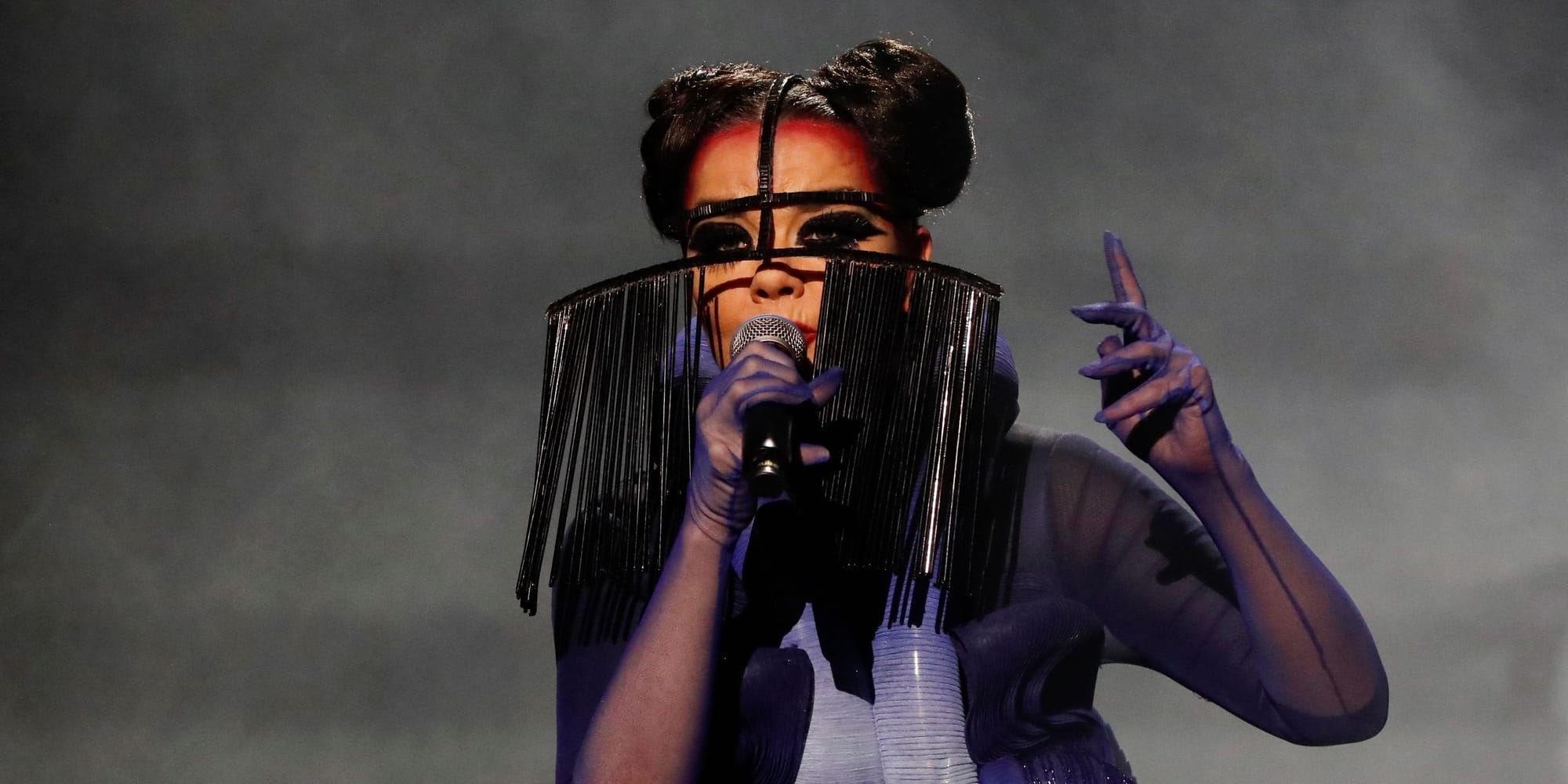
It's also worth noting that Iceland's tourism infrastructure is already built to handle this kind of influx. The country has spent the last decade positioning itself as a destination for travelers who want nature, isolation, and the kind of aesthetic that photographs well but doesn't feel manufactured. Echolalia fits perfectly into that ecosystem. It's not asking Iceland to become something it isn't—it's just using what's already there and adding a date that the universe already set.
Whether this becomes a model for other festivals remains to be seen. Not every artist has Björk's cultural credibility, and not every location has Iceland's natural advantages. But the underlying logic is sound: if you can't compete on lineup or budget, compete on timing. Find the moment that no one else can claim, then build the event around it. Celestial events are free. The only cost is getting there.