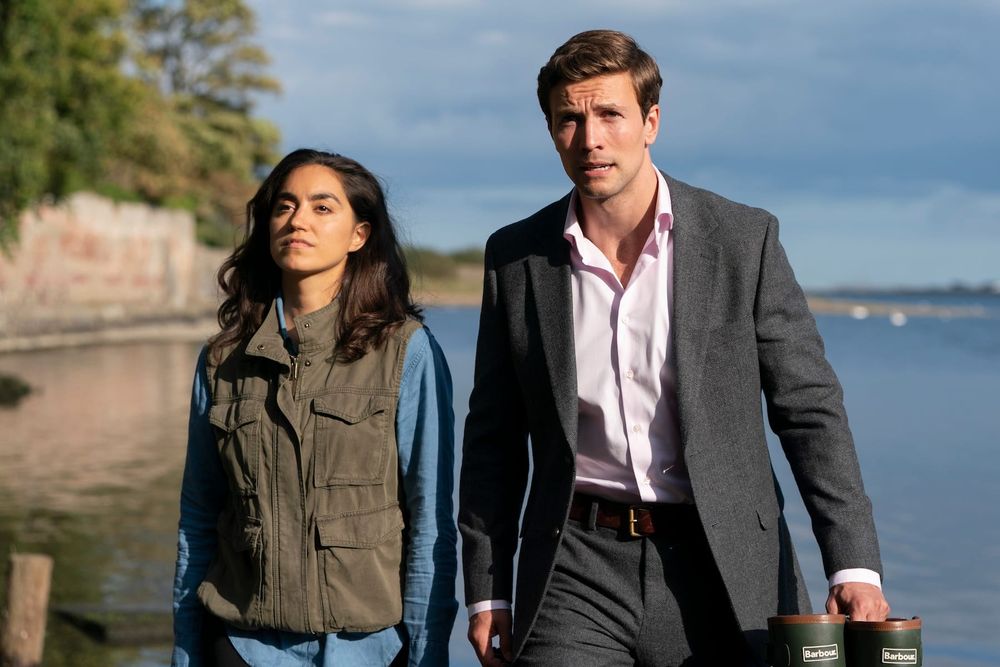
BritBox commissioned "Lynley" for American subscribers. The show became a hit in Britain. That's the sentence that explains how streaming platforms owned by legacy broadcasters are quietly rewriting the economics of national television.
The crime drama, produced by BBC Studios and distributed on the U.S.-focused BritBox platform, premiered to strong viewership in the United States before finding a traditional British audience. It's the rare case of a British series commissioned by an American platform that then reversed course and became a domestic success—a model that flips the usual transatlantic TV flow and reveals how streaming platforms with legacy media parents are beginning to dictate what gets made, where it airs, and who it's made for.
BritBox CEO Emily Powers told Variety that the platform "believed in and bought into" the project early, commissioning it with U.S. subscribers in mind. The show's success in Britain came second—a reversal of the traditional BBC model, which historically produced for domestic audiences first and sold internationally as an afterthought. Now the economics run the other way: American subscribers fund British production, and British broadcasters get the secondary window.
This isn't just a quirky distribution deal. It's a structural shift in how British television gets financed and who it's designed to serve. BritBox, owned by BBC Studios and ITV, operates as a streamer with one foot in legacy broadcasting and one foot in the platform economy. That dual identity gives it advantages pure-play streamers like Netflix and Max don't have: access to decades of IP, established production pipelines, and a built-in audience that trusts the BBC brand. But it also means the platform is beholden to two masters—American subscribers who pay the bills and British institutions that still expect to see their shows on linear TV.
"Lynley" threaded that needle by designing a show that could work in both markets: British enough to feel authentic, American enough to justify the commission. The result is a crime procedural that plays like a BBC drama but was greenlit with U.S. streaming metrics in mind. It's the kind of compromise that legacy media companies are increasingly good at—and that independent producers can't afford to make.
The broader implication is that British TV production is now partially dependent on American platform economics. BritBox's U.S. subscriber base—around 1.5 million as of late 2025—provides the revenue that funds original programming. British broadcasters get the content, but they didn't pay for it. The American audience did. That's a different model than the traditional BBC license fee structure, and it changes the incentive structure for what gets made.
Shows commissioned under this model need to appeal to American subscribers first, which means they skew toward genres that travel well: crime procedurals, period dramas, cozy mysteries. The kind of programming that fits comfortably within the "British TV" brand Americans already recognize. It's not a coincidence that "Lynley" is a detective series—crime is the most reliably exportable genre in television, and BritBox knows it.
This is the same dynamic playing out across the streaming wars: platforms owned by legacy media companies are using their libraries and production infrastructure to compete with tech-first streamers, but they're doing it by prioritizing the audience that pays the most. For BritBox, that's American subscribers. For the BBC, that's a trade-off—more funding for production, less control over what gets made and who it's made for.
The success of "Lynley" in Britain proves the model can work both ways, but it also raises the question of what happens when a show commissioned for American tastes doesn't find a British audience. Does the BBC still air it? Does it matter? The platform economics suggest it shouldn't—if American subscribers are funding the show, British viewership is a bonus, not a requirement. But the BBC's public service mandate suggests otherwise. The tension between those two priorities is the story BritBox isn't telling yet.
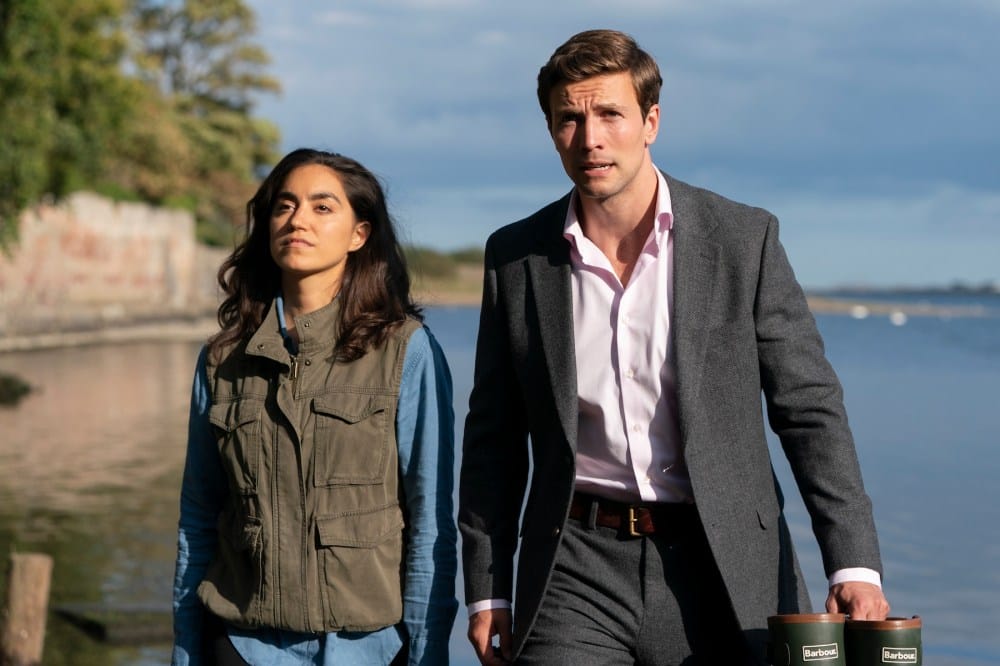
What BritBox is telling is that the platform is doubling down on the U.S.-first strategy. Powers confirmed that the company is actively seeking more projects like "Lynley"—shows that can be commissioned with American subscribers in mind and then sold back to British broadcasters as a secondary market. It's a model that works as long as British audiences are willing to watch shows designed for someone else. The moment they stop, the economics break.
The broader pattern here is that streaming platforms with legacy media parents are becoming the new commissioning gatekeepers, replacing traditional broadcasters as the primary funders of original production. BritBox is doing it with British TV. Paramount+ is doing it with CBS franchises. Peacock is doing it with NBC IP. The model is the same: use the platform to fund production, use the legacy broadcaster to distribute it, and prioritize the audience that pays the subscription fee.
For British TV, that means American subscribers are now the primary audience for new commissions—even if the shows still air on the BBC. The license fee still funds the broadcaster, but the platform funds the production. That's a structural change that shifts power away from public service mandates and toward platform economics. The BBC is fine with it because it gets more content without paying for it. BritBox is fine with it because it gets exclusive U.S. rights. American subscribers are fine with it because they get British TV that feels authentic.
The only question is whether British audiences will stay fine with it once they realize the shows are being made for someone else.