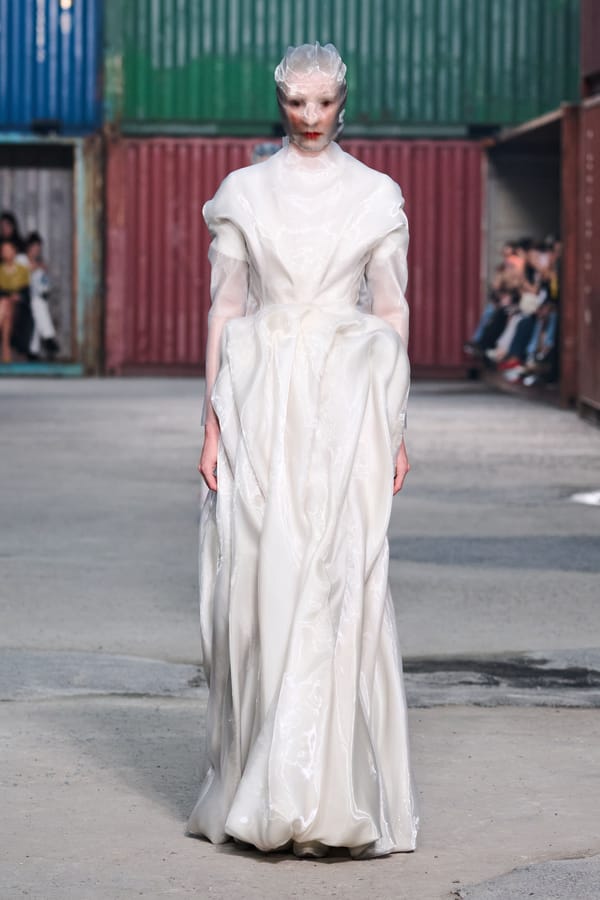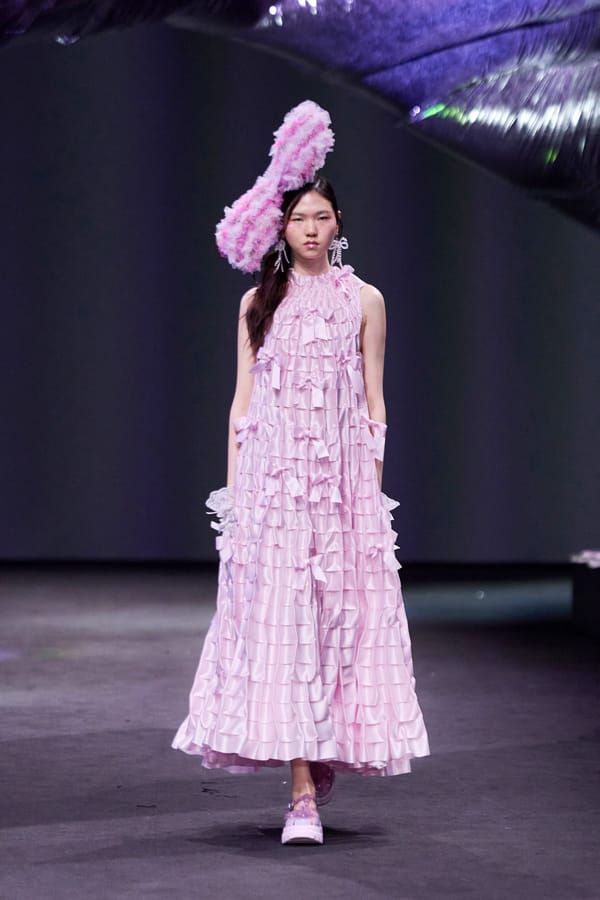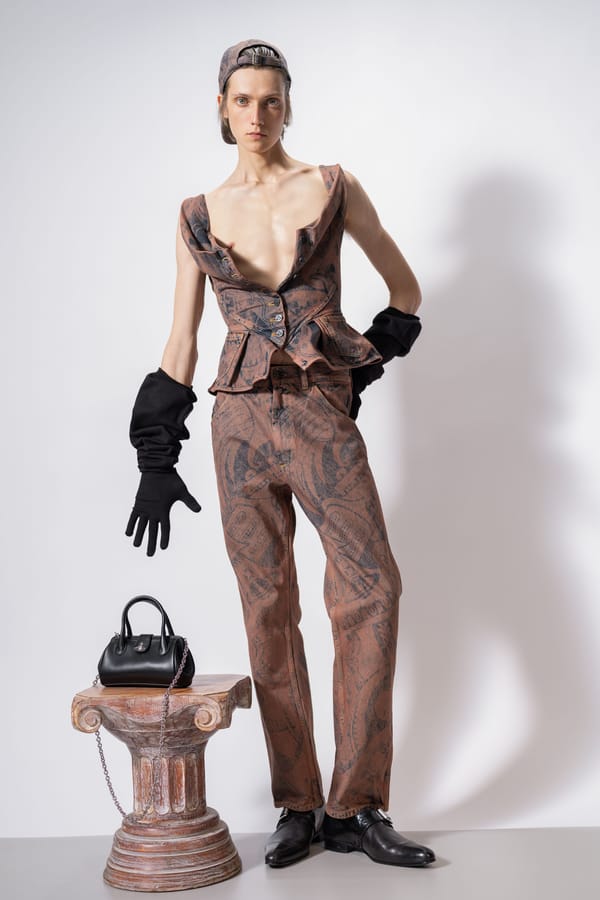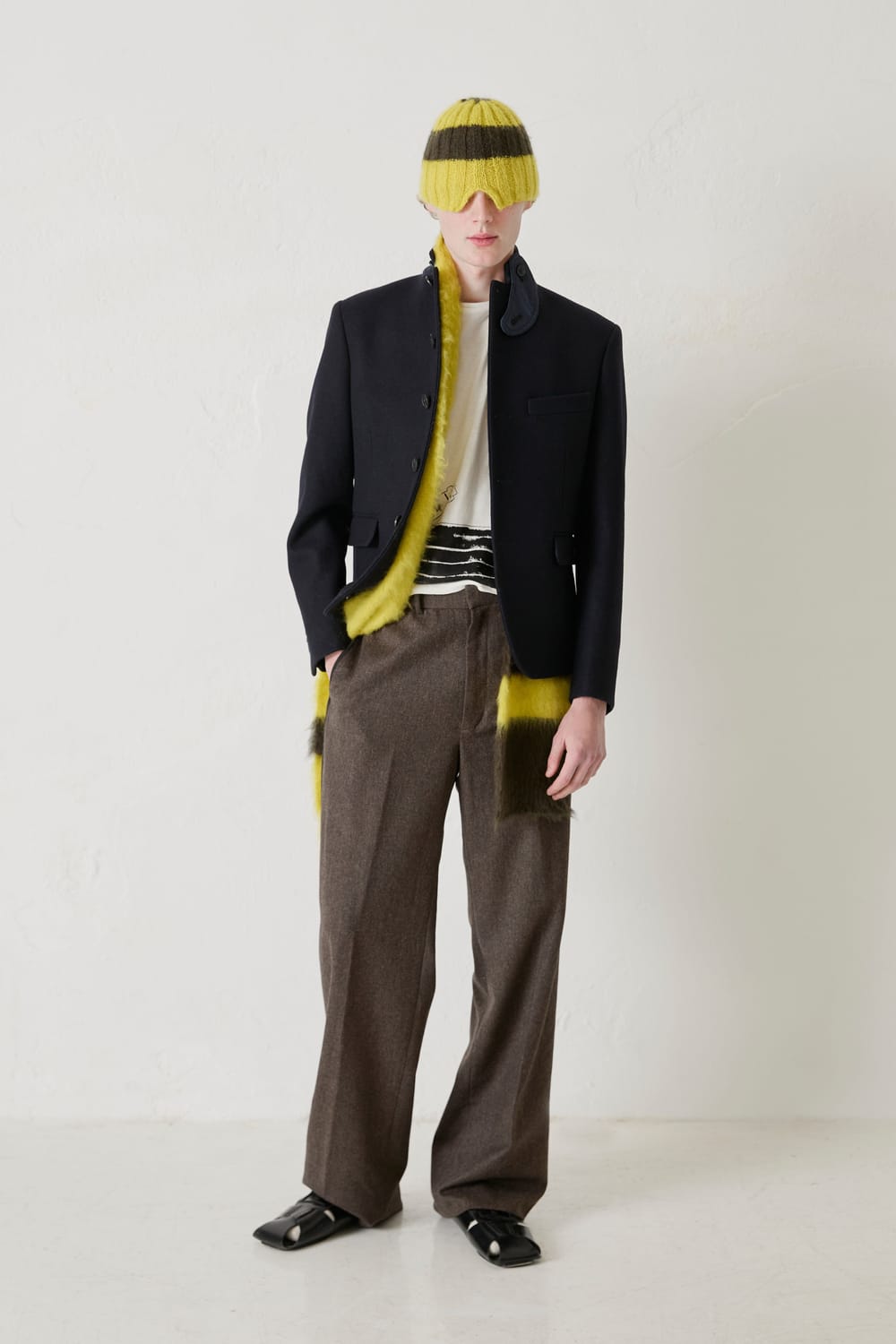
Carlota Barrera showed her Fall 2026 collection in Madrid, not Paris. That's the story. Not the clothes themselves — though they were sharp, tailored, and commercially viable — but the fact that a designer with international press attention, stockists, and industry credibility chose to present in her home city rather than chase a slot on the overcrowded Paris calendar. It's a decision that would have been unthinkable a decade ago. Now it's starting to look like strategy.
Fashion's traditional pathway has always been linear: prove yourself locally, move to one of the Big Four (Paris, Milan, London, New York), secure a slot during their official weeks, and let the centralized press apparatus validate your existence. Designers who stayed regional were presumed to lack ambition or access. But that model depended on a media infrastructure that no longer exists in the same form. Fashion's diaspora of talent is increasingly distributed, and the cities that once held monopolies on legitimacy are starting to feel more like expensive real estate than creative necessity.
Barrera's Madrid show signals something broader: designers are building sustainable careers outside the traditional fashion capitals, and they're doing it by leveraging local infrastructure, government support, and regional press that actually covers them consistently rather than once a season in a 200-word blurb. Spain has been quietly investing in its fashion ecosystem — production facilities, trade partnerships, and cultural programming that treats fashion as economic development, not just cultural decoration. When a designer like Barrera can access that infrastructure without relocating, the calculus changes. Why pay Paris rent and fight for a 10-minute slot when you can control your own narrative at home?
This isn't about nationalism or anti-globalism. It's about designers recognizing that the centralized fashion week model was built for a media landscape that no longer exists. Tokyo designers have been proving this for years — building credibility through craft and local support systems rather than waiting for Paris to anoint them. Copenhagen's fashion week became relevant by focusing on sustainability and commercial viability rather than trying to out-spectacle the Big Four. Madrid is following a similar path, and designers like Barrera are the ones making it work.
The risk, of course, is that regional shows get less international press coverage. But that metric assumes international press coverage still translates to sales and brand equity the way it did when Anna Wintour's front-row nod could make or break a label. The fashion media landscape is fragmented now — niche newsletters, Instagram, TikTok, and direct-to-consumer channels matter as much as a Vogue mention. A designer who controls their own production, shows on their own schedule, and builds a loyal regional customer base isn't necessarily losing by skipping Paris. They're just playing a different game.
Barrera's approach also reflects a broader shift in how emerging designers think about scale. The old model demanded rapid growth: get noticed, get investment, get big fast, or disappear. But that growth trajectory often meant sacrificing control, taking on debt, and chasing trends to satisfy investors who wanted Paris visibility and department store placement. The regional model allows for slower, more sustainable growth — building a business that serves a specific customer base rather than trying to be everything to everyone. It's a less glamorous path, but it's also one that doesn't require burning through venture capital or selling to a conglomerate within five years.
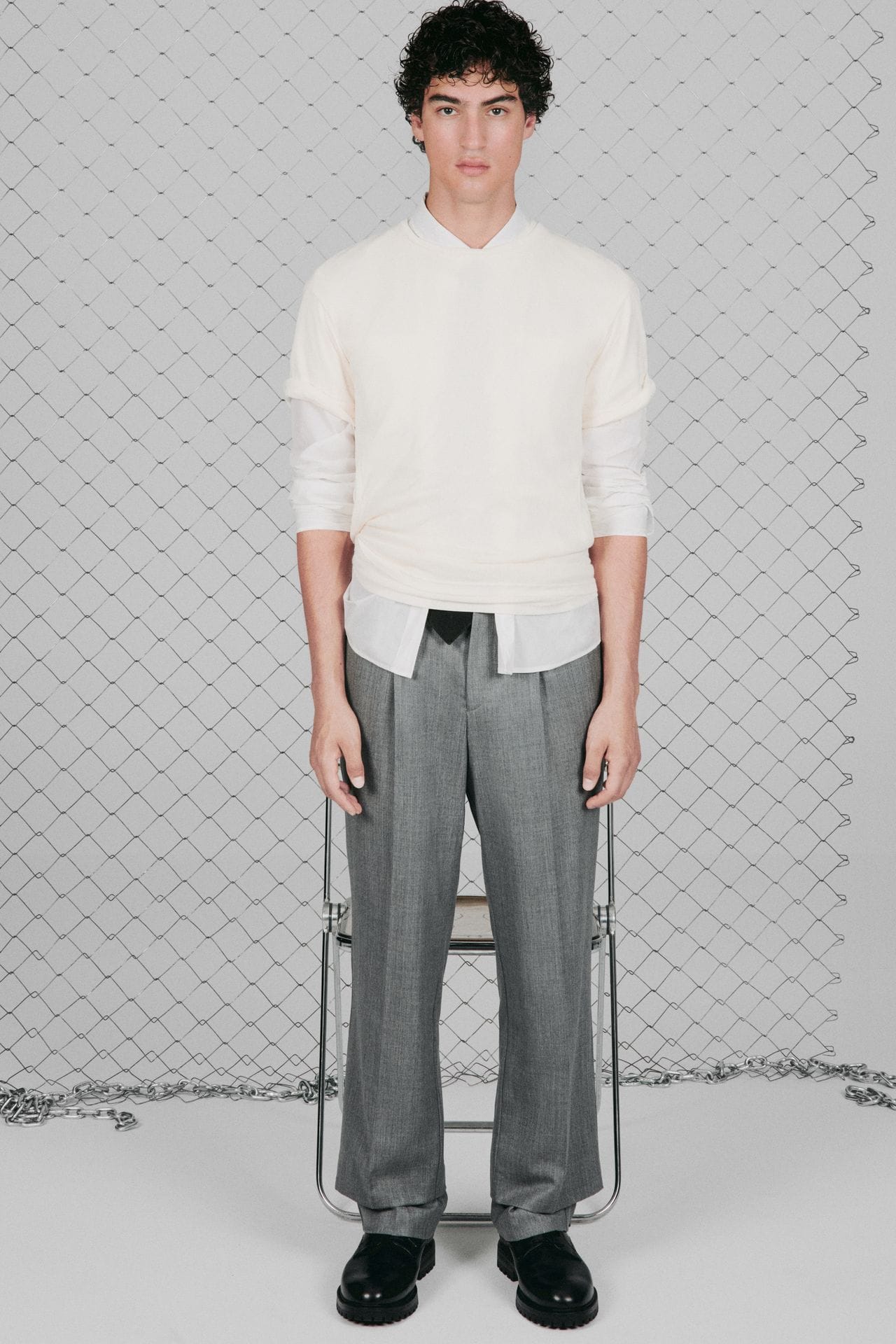
What's happening in Madrid, Tokyo, Copenhagen, and other cities outside the Big Four isn't a rejection of the traditional fashion system — it's an acknowledgment that the system no longer serves everyone equally. Designers are building parallel infrastructure, and the ones who succeed will be the ones who recognize that legitimacy no longer flows exclusively from Paris. It flows from customers, craft, and economic sustainability. Barrera's Fall 2026 show in Madrid isn't a compromise. It's a bet that the future of fashion is less centralized than its past — and that bet is starting to look smarter every season.
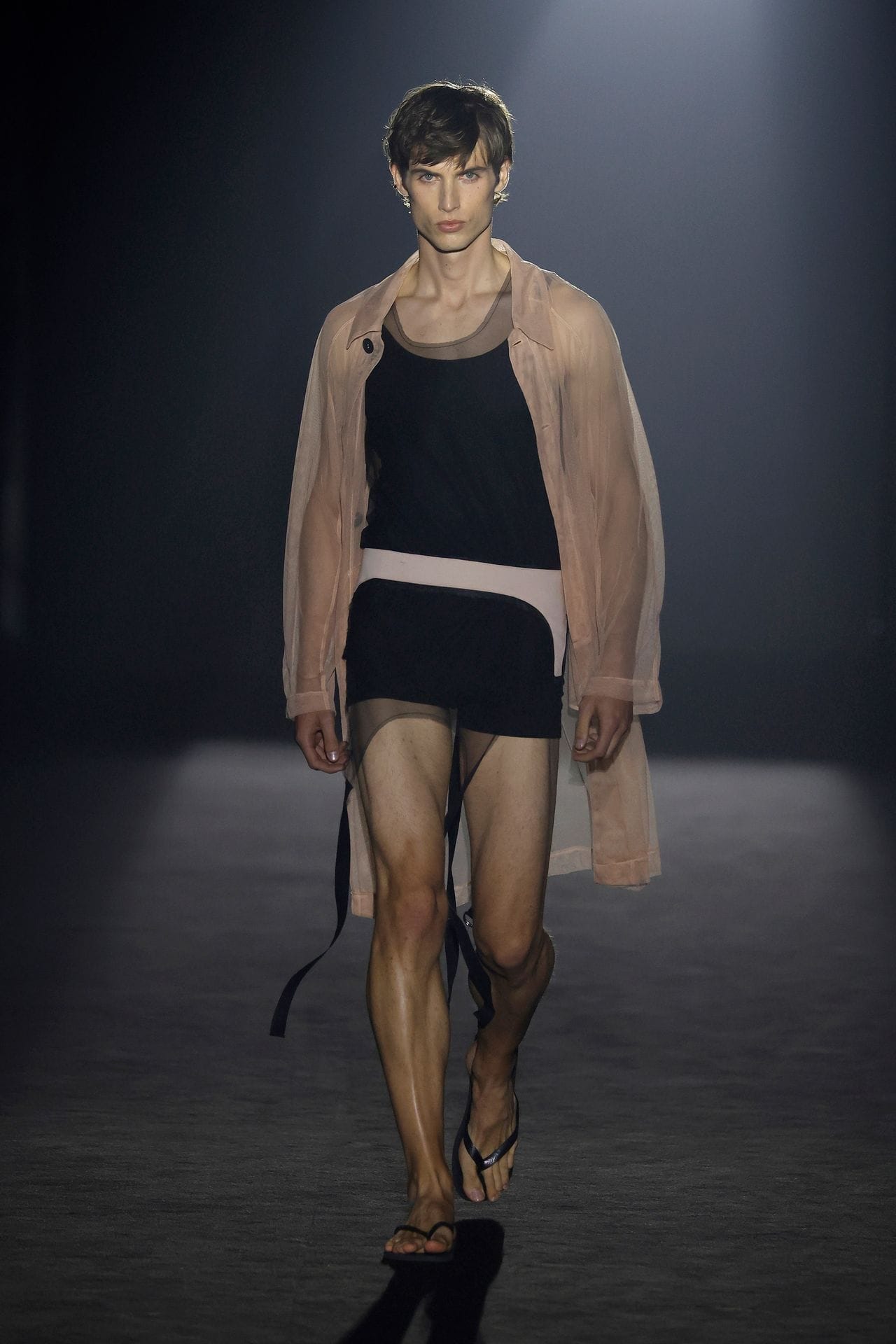
The question isn't whether regional fashion weeks can compete with Paris. It's whether Paris can still justify its premium when designers have other options that work just as well. For now, the answer is still yes — but the margin is shrinking. And designers like Barrera are the ones making it shrink.