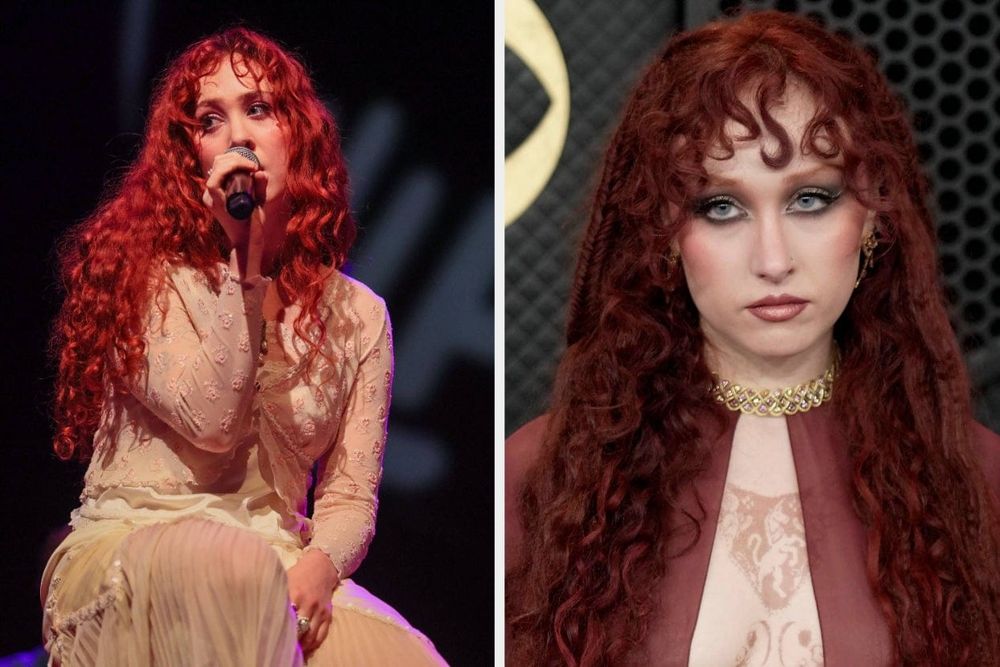
In 2024, Chappell Roan had the kind of year most artists spend a career chasing: a breakout festival season, a debut album that connected, a fanbase that felt like a movement. Then, according to a new report from BuzzFeed, the bots arrived.
The report details a coordinated bot-driven campaign targeting Roan across social media platforms, amplifying manufactured controversies and flooding comment sections with identical talking points designed to frame her as difficult, ungrateful, or politically naïve. The attacks didn't respond to anything Roan actually said or did—they arrived preemptively, designed to shape public perception before she had the chance to define herself.
This isn't new. What's new is the speed, scale, and precision. Bot-driven smear campaigns used to target established figures—politicians, CEOs, celebrities with decades of public history. Now they're deployed against artists in the middle of their first breakthrough, before they've had time to build the infrastructure to fight back.
Roan's case is instructive because the attacks didn't wait for a scandal. They manufactured one. The bot accounts amplified minor moments—a comment about boundaries with fans, a statement about political engagement—and reframed them as evidence of ingratitude or naïveté. The goal wasn't to respond to Roan's actual positions. It was to establish a narrative framework that would make every future statement fit into a predetermined story: difficult artist, out of touch, doesn't appreciate her fans.
The timing matters. Roan was in the narrow window between breakout and consolidation—the moment when an artist's public image is most vulnerable because it hasn't hardened into a brand yet. She had visibility but not infrastructure. Fans but not a crisis management team. A platform but not the institutional support that comes with major label machinery at full scale.
That's the window the bots exploited. And it's the same window that's opening wider across the industry as artists build careers on platforms that reward velocity over stability. The creator economy promised independence, but it also created a new vulnerability: artists who can reach millions of people without the institutional scaffolding that used to come with that kind of visibility.
The report doesn't identify who funded the campaign, which is standard for bot-driven attacks. Attribution is deliberately obscured. But the tactics are familiar: coordinated posting times, identical phrasing across accounts, strategic hashtag manipulation designed to push manufactured narratives into trending topics. The same infrastructure that powers celebrity brand campaigns can be weaponized to destroy them.
What makes this particularly insidious is that the attacks don't need to convince everyone. They just need to create enough noise that the algorithm interprets controversy as engagement. Platforms like X and TikTok don't distinguish between genuine discourse and manufactured outrage—they just see activity. And activity drives visibility. So a bot-driven smear campaign doesn't just attack an artist—it hijacks the algorithmic infrastructure that determines what millions of people see.
This is where the business strategy lens becomes essential. Bot campaigns are expensive. They require coordination, technical infrastructure, and enough funding to sustain activity across multiple platforms. Someone paid for this. And the question of who benefits is worth asking even when the answer isn't clear. Is it a competitor? A platform trying to drive engagement? A political actor using a pop star as a proxy target? The opacity is the point. When platforms refuse to make their moderation and amplification systems transparent, they create the conditions for this kind of attack to thrive.
Roan's experience also highlights a structural problem in how artists build careers now. The traditional path—label support, publicist, crisis management infrastructure—used to come as a package. Artists traded autonomy for institutional support. The creator economy promised to invert that trade: keep the autonomy, build your own infrastructure. But infrastructure takes time, and bot campaigns move fast. An artist can have 10 million followers and still be more vulnerable than a legacy act with a tenth of the visibility, because followers aren't the same thing as institutional power.
The attack on Roan also fits a broader pattern of how women artists, particularly those who set boundaries or speak about politics, get targeted. The manufactured controversies almost always focus on the same themes: ingratitude, difficulty, political naïveté. The goal is to make the artist's own voice less credible than the narrative that's been constructed around her. And once that narrative is in place, it's extraordinarily difficult to dislodge.
What's most troubling is that this is now just part of the cost of visibility. Artists at Roan's level have to assume they'll be targeted. They have to build crisis response infrastructure not because they did something wrong, but because the attention itself makes them a target. The bot campaign becomes a tax on success—an additional cost that disproportionately affects independent artists who don't have label-funded PR teams on retainer.
The solution isn't simple. Platforms could implement stricter bot detection and make their amplification algorithms more transparent. But that would require them to admit that their infrastructure is being weaponized, which conflicts with their business model. Labels could provide better crisis support for emerging artists, but that assumes artists want to trade independence for institutional protection. And artists themselves can build better infrastructure—but that takes resources most don't have during their first breakout moment.
What's clear is that the Chappell Roan case isn't an outlier. It's a preview of how narrative control works now: fast, algorithmic, and coordinated. The artist's actual words and actions matter less than the framework that's built around them. And that framework is increasingly being constructed by bots, deployed by unknown actors, amplified by platforms that profit from the controversy regardless of who gets hurt.
Roan will likely survive this. She has a fanbase, a team, and enough visibility that the bot campaign became a news story rather than a buried narrative. But the next artist might not be as lucky. And the infrastructure that enabled this attack isn't going anywhere—it's just getting cheaper and easier to deploy.