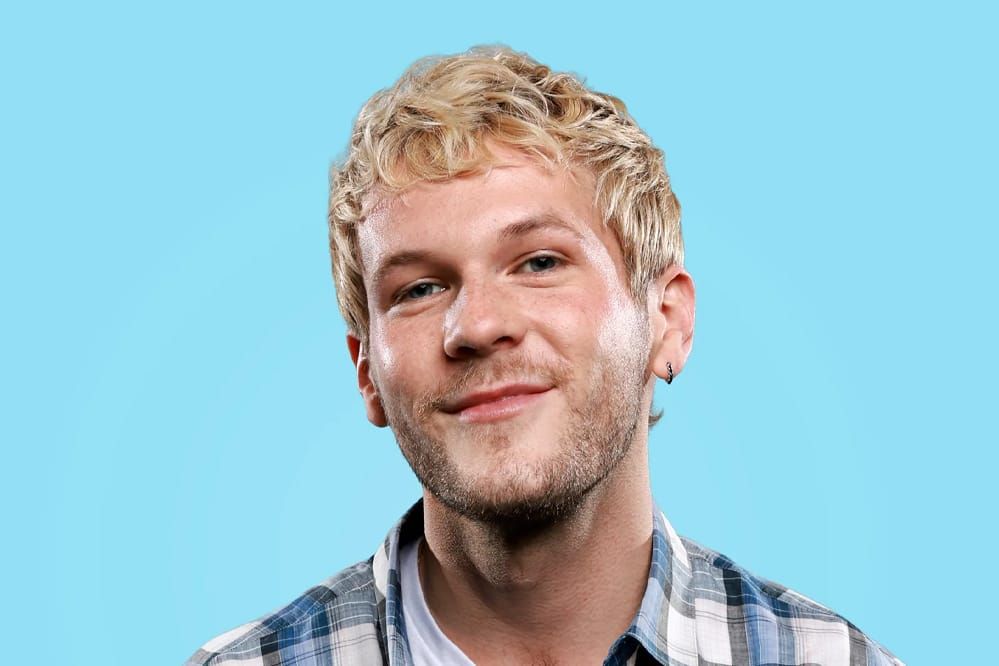
Davis Burleson spent his childhood in Texas pretending to host "American Idol" in his backyard, interviewing imaginary contestants. Two decades later, he's hosting two actual radio shows on SiriusXM—"What's Poppin'?" on Hits 1 and "The Hang" on TikTok Radio—after building a TikTok following by interviewing real strangers in Washington Square Park. According to Variety, the deal represents something bigger than one creator's upward mobility: it's the clearest signal yet that legacy media companies have finally figured out what they're actually buying when they hire internet talent.
For years, traditional media treated creator hiring like a numbers game—grab someone with millions of followers, plug them into an existing format, hope the audience follows. It rarely worked. The follower count transferred, but the engagement didn't. What SiriusXM seems to understand with Burleson is that his value isn't the 2.3 million people who follow him on TikTok—it's the specific way those people show up when he posts. His Washington Square Park interviews work because they feel spontaneous, human, and genuinely curious. People trust him to ask questions they'd actually want answered, not questions a producer workshopped in a conference room.
That trust is what legacy media has been hemorrhaging for a decade while platforms like Gaggl build creator-hosted TV from scratch. Radio, especially terrestrial and satellite radio, has been particularly brutal territory for creator integration. The medium demands consistency, scheduled programming, and a tolerance for the kind of corporate infrastructure that makes most internet personalities feel like they're wearing someone else's skin. But Burleson's shows aren't just his TikTok content stretched to fill an hour—they're built around the same core skill set that made him work online: the ability to make strangers feel comfortable enough to be interesting on camera. That's a format-agnostic talent, and SiriusXM is betting it translates to audio.
The timing matters. SiriusXM isn't exactly in a growth phase—subscriber numbers have been flat, younger listeners are disappearing into podcasts and Spotify, and the company's been trying to figure out how to make itself relevant to anyone under 35 who didn't inherit a car with a pre-installed subscription. Hiring Burleson isn't a Hail Mary—it's a recognition that the only people building real audience loyalty right now are creators who've spent years doing it without institutional support. Traditional media can't manufacture that kind of relationship anymore. It has to hire it.
What makes this deal different from the dozen other "TikTok star gets TV show" announcements that go nowhere is that SiriusXM gave Burleson two shows and let him keep his name in the title of one of them. That's not a guest spot. That's infrastructure. It's the same move Spotify made when it started throwing real money at podcasters who'd already built audiences elsewhere—except SiriusXM is doing it while CBS News Radio shuts down entirely, which makes it feel less like innovation and more like survival.
Burleson told Variety he sees the shows as a way to answer the question: "You have your platform, what are you going to do with it?" That framing is telling. It positions the TikTok audience as the foundation, not the finish line—a launching pad for something more durable than algorithmic virality. Creators have watched too many of their peers get massive, make no money, and disappear when the platform shifts its priorities. The smart ones are looking for revenue streams that don't depend on TikTok's continued existence or their ability to chase trends into their 30s.
SiriusXM gets a host who brings an audience that actually listens when he talks. Burleson gets a paycheck that doesn't fluctuate with the Creator Fund's latest payout structure and a media credential that opens doors TikTok fame alone won't. It's a cleaner transaction than most creator-to-legacy-media moves because both sides seem to understand what they're trading. The real test will be whether Burleson's audience cares enough about him specifically to follow him to a medium they probably don't use—and whether SiriusXM can resist the urge to sand down everything that made him interesting in the first place.
If this works, expect a wave of similar hires. Not because legacy media suddenly loves creators, but because it's finally figured out that audience loyalty is the only currency that matters when even billion-dollar platforms can't outrun engagement saturation. Burleson's deal is less about one person's career trajectory and more about an industry admitting it can't build what creators already have.