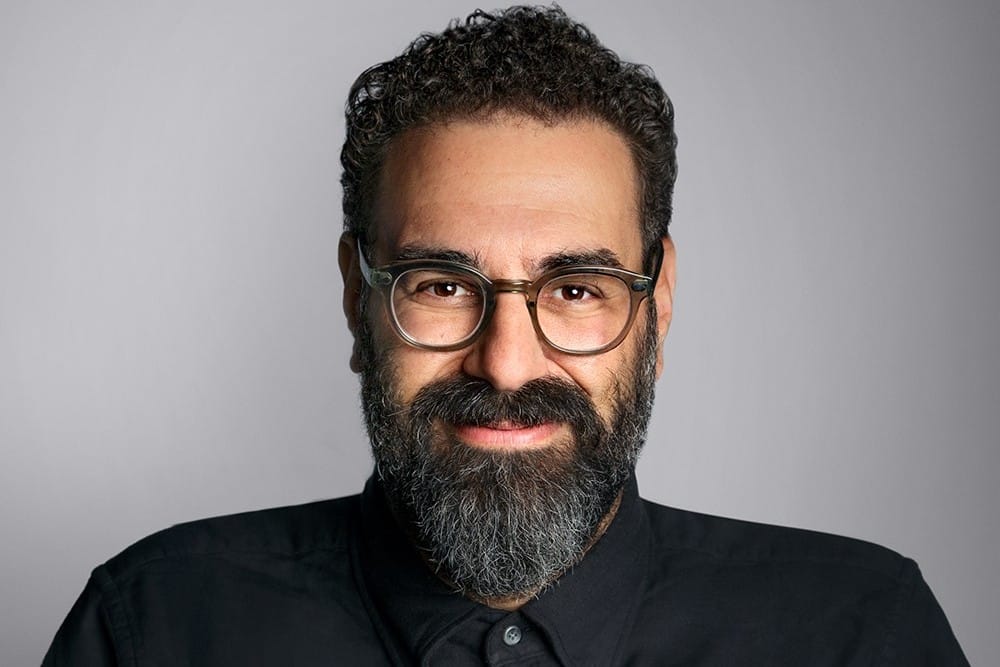
Fox Entertainment announced that Billy Parks, a seasoned media and investment executive, will lead Fox Creator Studios as its new head. The division, launched at CES 2026, is Fox Corp.'s digital-first bet on creator-driven content — the company's attempt to build infrastructure that can compete with YouTube, TikTok, and the platform economy that has spent the last decade eating traditional media's lunch.
Parks brings the kind of résumé legacy media loves: experience across traditional media operations, investment strategy, and corporate development. It's exactly the profile a broadcaster would hire to run a new digital division. It's also exactly the wrong profile for the job Fox Creator Studios needs done.
The problem isn't Parks specifically — it's what his hiring signals about how Fox understands the creator economy. Legacy media companies keep treating the platform economy like a distribution problem. They see creators as talent to be managed, packaged, and monetized through the same infrastructure that worked for television. They hire executives who understand media businesses, investment models, and corporate strategy. What they don't hire — and what they need — are people who understand that the creator economy isn't a media business at all. It's a different economic structure entirely.
YouTube didn't win because it had better distribution than TV networks. It won because it built infrastructure that let creators own their relationship with their audience, control their own upload schedules, and monetize directly through ad revenue sharing and brand deals. TikTok didn't disrupt television by making better television. It built an algorithmic recommendation engine that made the concept of "scheduled programming" obsolete. The platform economy isn't competing with Fox on Fox's terms. It's playing a completely different game.
Fox Creator Studios, like every other legacy media company's creator division, is trying to bring creators into the traditional media ecosystem. Offer them production budgets, distribution support, and the legitimacy of a major media brand. The pitch is: we'll give you the resources and reach you can't get on your own. The problem is that the most successful creators don't want what Fox is offering. They already have distribution. They already have audiences. What they want is infrastructure that doesn't require them to give up control — and that's the one thing legacy media structurally cannot provide.
The creator economy runs on speed, direct audience feedback, and the ability to pivot instantly based on what's working. Traditional media runs on development cycles, executive approvals, and quarterly earnings calls. A creator who can test five different content formats in a week and scale the one that works doesn't need a media executive who wants to spend six months developing a concept. They need tools, resources, and infrastructure that move at the speed they already operate.
Fox's play isn't unique. HBO built its reality strategy by betting on provocation over scale. Disney+ leaned into supernatural reality TV to capture niche audiences. But those are content plays, not infrastructure plays. They're still operating within the logic of traditional media: make a thing, distribute it, measure success by viewership. Fox Creator Studios is trying to compete with platforms by hiring someone who understands media companies — when the actual competition is infrastructure companies that happen to distribute video.
The structural issue is that legacy media companies are publicly traded entities with fiduciary responsibilities to shareholders, legacy cost structures, and business models built on scarcity. The platform economy is built on abundance, algorithmic distribution, and business models that treat content as the input, not the product. You can't solve an infrastructure problem by hiring someone who understands the old infrastructure better.
If Fox wanted to actually compete in the creator economy, it would need to hire someone who has built creator tools, managed platform economics, or run a creator-first business. It would need to accept that the division might operate at a loss for years while it builds the kind of infrastructure that creators actually want. It would need to give up control over the talent relationship, the content pipeline, and the monetization model. That's not a media executive's job. That's a platform builder's job. And legacy media companies keep hiring the former while wondering why they can't compete with the latter.