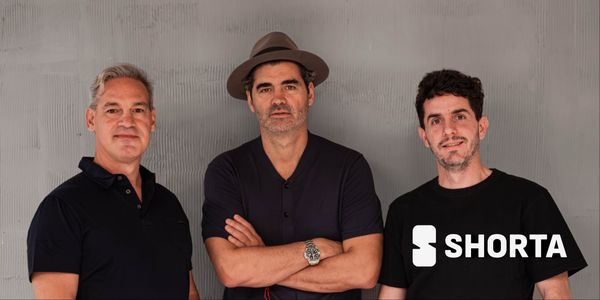
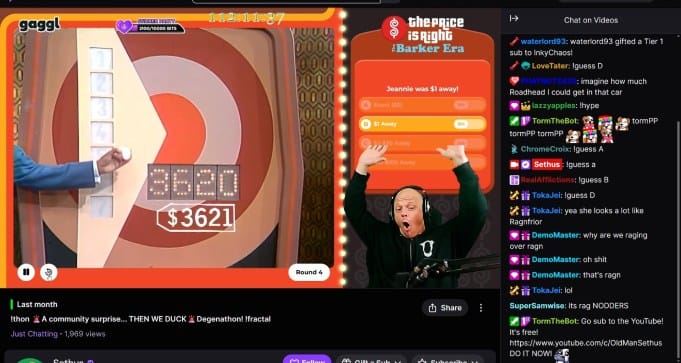
London-based production company Gaggl is hiring digital creators to host television formats — not as celebrity guests or one-off cameos, but as the structural foundation of the shows themselves. Adam Harris, the company's founder, told Deadline that Gaggl's model is built around "creator-hosted formats" designed specifically for audiences whose storytelling fluency comes from gaming, streaming platforms, and social media rather than traditional broadcast television. The company is backed by Fremantle, one of the world's largest TV production groups, which suggests this isn't a speculative bet on the creator economy — it's infrastructure investment.
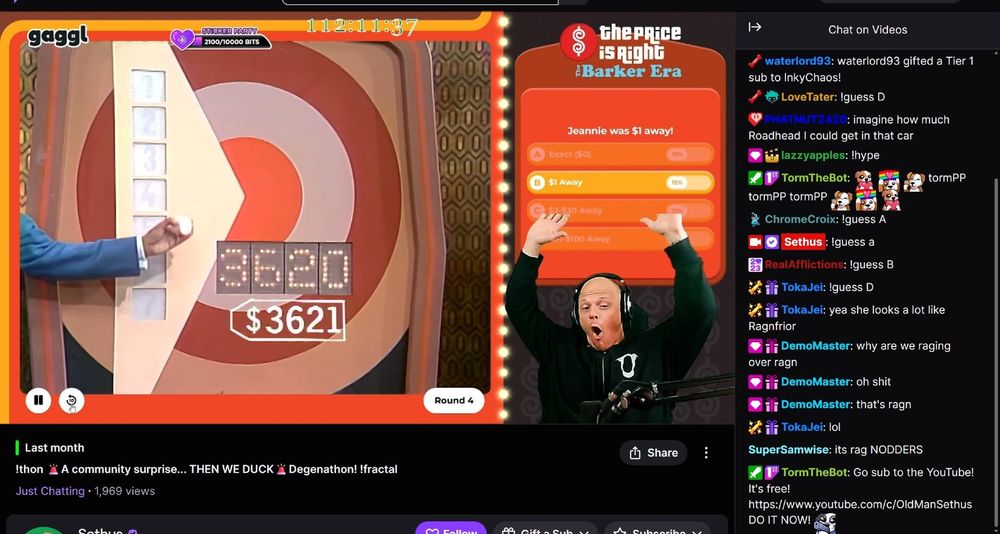
What Harris is describing isn't just casting TikTok stars in existing TV formats. It's rethinking how television storytelling works when your audience has been trained by Fortnite spectator modes, Twitch streams, and YouTube longform content. Those formats don't follow three-act structures or commercial breaks. They follow attention, energy, and parasocial intimacy. A Twitch streamer can hold an audience for six hours not because the content is meticulously scripted, but because the relationship between host and viewer has been built over hundreds of hours of unscripted, unedited presence. Gaggl is betting that this kind of hosting — where the personality is the format, not the set dressing — is what makes television work for people under 30.
The timing matters. Fox Entertainment hired Billy Parks to run creator studios earlier this year, and the strategy there was about acquiring platform-native talent to produce short-form content for Fox's own digital channels. Gaggl's approach is more ambitious: it's about bringing creators into traditional TV production infrastructure and letting them reshape the formats themselves. Harris isn't trying to teach creators how to make television. He's trying to teach television how to work the way creators already do.
This is also a response to the fact that Hollywood's vertical video economy is already here. SWZZ Media hired a producer to scale LA microdramas, and that production model — fast, cheap, platform-native — is eating away at the traditional TV development pipeline. Gaggl's model sits somewhere in between: it uses traditional production budgets and distribution deals, but the creative center of gravity is the creator, not the network executive. The format follows the personality, not the other way around.
What makes this structurally different from previous attempts to "bring digital creators to TV" is that Gaggl isn't treating creators as interchangeable talent. The company is building formats around specific creators' existing audiences and storytelling styles. That means the show's success is tied directly to whether the creator's audience follows them to a new platform — which is a risk, but also the only way to actually capture the value of creator-driven media. Traditional TV casting assumes the format is the draw. Gaggl is betting the host is.
The Fremantle backing is what makes this credible. Fremantle produces everything from America's Got Talent to The Masked Singer — formats that rely on spectacle, audience participation, and parasocial investment in contestants. That's not far from what gaming and streaming platforms have been doing for a decade. The difference is that Fortnite's audience doesn't need a panel of celebrity judges to tell them who won. They've been watching skill-based competition and personality-driven content without the theatrical scaffolding of traditional reality TV. Gaggl's model assumes that scaffolding is optional.
The risk is that creator-hosted formats are only as durable as the creator's relevance. Traditional TV formats can recast hosts. Creator-driven formats can't — at least not without losing the entire premise. But that's also the point. The Fortnite generation doesn't want interchangeable hosts reading teleprompters. They want the person who's been streaming to them for three years, who they already trust, who already knows how to hold their attention without a script. Gaggl is building TV for people who think television is the last place they'd go to be entertained — and betting that the right host can change that.
If this works, it's not just a new production model. It's proof that the creator economy has moved past being a parallel entertainment industry and started replacing the infrastructure of the old one. Harris isn't trying to make creators fit into television. He's making television fit into the attention economy creators already built.