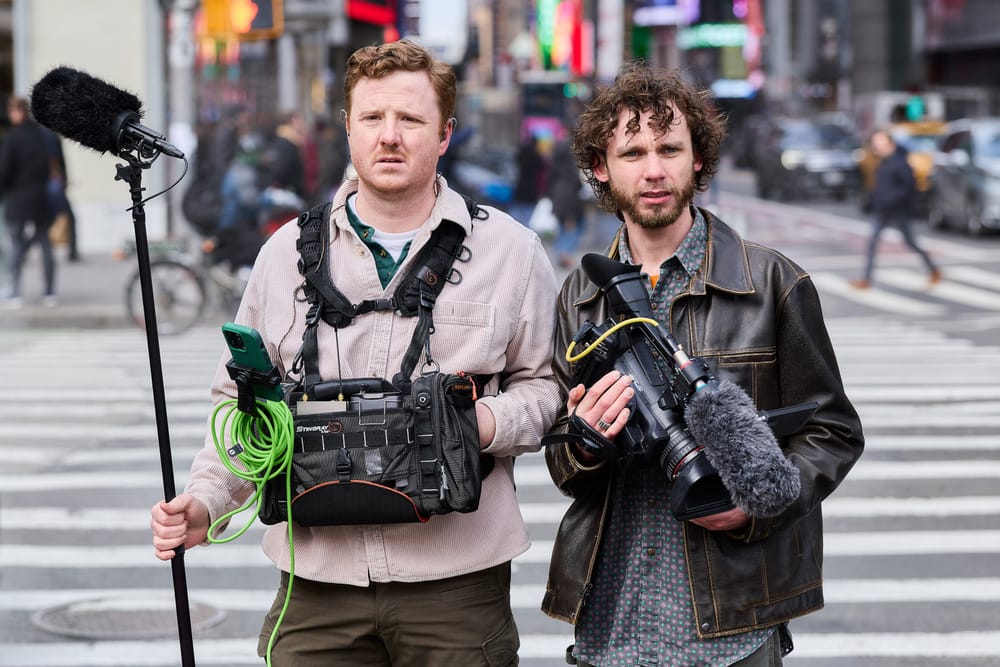
HBO renewed "Neighbors" for Season 2 before the first season finale even aired on March 20. The late-night docuseries, which explores neighborhood disputes, got the greenlight early — not because it's a cultural phenomenon, but because it's cheap, fast, and fills the gaps between the expensive prestige dramas that built HBO's reputation.
The renewal announcement came from Variety, and the timing is worth noting. HBO Max has been aggressively expanding its unscripted slate over the past two years, and "Neighbors" fits the pattern: real people, real conflicts, minimal production overhead. No writers' rooms. No A-list talent holding deals. No VFX budgets that balloon in post-production. Just cameras, subjects willing to air their grievances on television, and editors who can turn footage around quickly.
This is the same calculus that led HBO to bet heavily on franchise IP like Harry Potter — but on the opposite end of the budget spectrum. Prestige networks are now running two parallel strategies: massive tentpole bets that take years to develop and cost hundreds of millions, and low-cost docuseries that can be renewed, produced, and aired within a single fiscal quarter. The middle ground — the $30M limited series, the single-season drama with a contained story — is disappearing because it doesn't serve either goal. It's not cheap enough to be filler, and it's not big enough to be an event.
"Neighbors" doesn't need to be "The Testaments" or compete with Apple TV+'s carefully curated prestige slate. It just needs to exist, fill the schedule, and keep subscribers from noticing how long it's been since the last season of their favorite scripted show dropped. HBO isn't alone in this. Every streamer and legacy network is padding its content library with docuseries that cost a fraction of scripted programming and can be produced at scale. The difference is that HBO used to be the network that didn't need filler — it had enough prestige in the pipeline to avoid it.
The shift is structural. Even Amazon's biggest hits are facing budget constraints, and HBO is dealing with the same post-merger cost pressures that have reshaped Warner Bros. Discovery's entire content strategy. David Zaslav's regime has made it clear that the old HBO model — where every show got the time and money it needed — is over. The new model is: a few massive bets, a lot of cheap programming, and very little in between.
"Neighbors" works because it requires almost nothing from the network beyond greenlight approval and a marketing push. The subjects provide the drama. The format is replicable. The production timeline is fast. And if it doesn't perform, it's cheap enough that canceling it after two seasons won't show up as a line item in the quarterly earnings call. That's the entire appeal. It's not prestige. It's not even particularly good television. It's just efficient.
The docuseries boom is also a hedge against the talent market. Scripted TV requires writers, directors, actors, and all the union protections and compensation structures that come with them. Docuseries require releases, insurance, and editors. The labor costs are incomparable, and in an industry still recovering from back-to-back strikes, that difference matters. HBO can produce three seasons of "Neighbors" for the cost of one limited series — and it can do it faster.

What's worth watching is whether this strategy actually retains subscribers or just keeps the content library from looking empty. Hulu renewed "Paradise" because Dan Fogelman's name carries weight, not because the show was a ratings juggernaut. HBO is renewing "Neighbors" because it's cheap and it works as schedule filler. Those are two very different calculations, and only one of them is about the quality of the television being made.
The prestige network model was built on the idea that every show mattered, that the HBO brand meant something worth paying for. The docuseries boom doesn't kill that model outright — it just admits that the economics no longer support it at scale. "Neighbors" Season 2 is coming because HBO needs content, not because anyone was demanding it. That's the new normal.