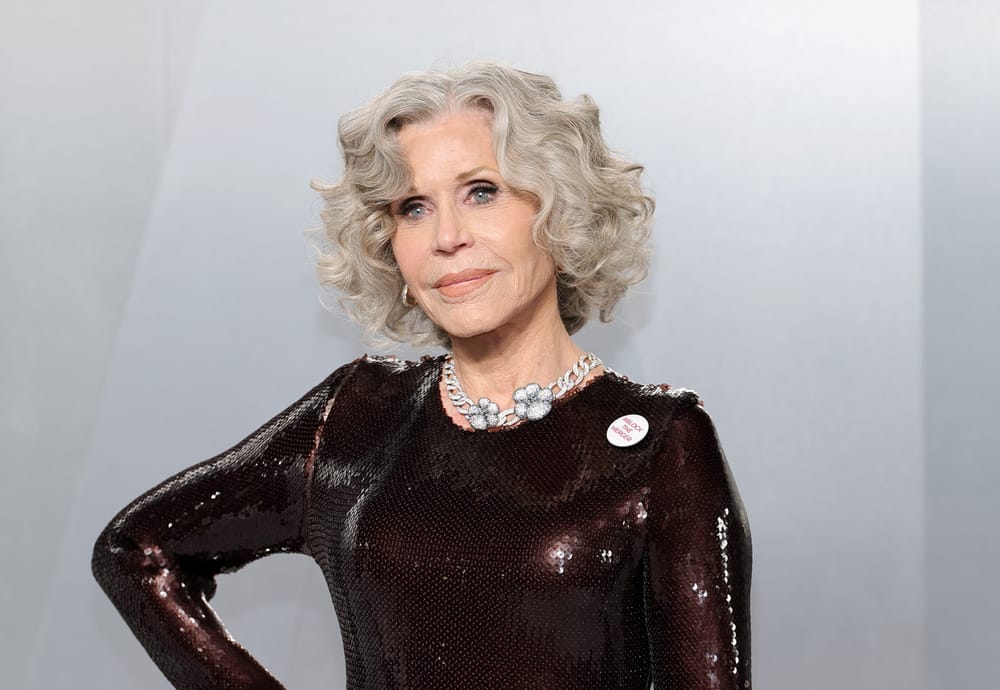
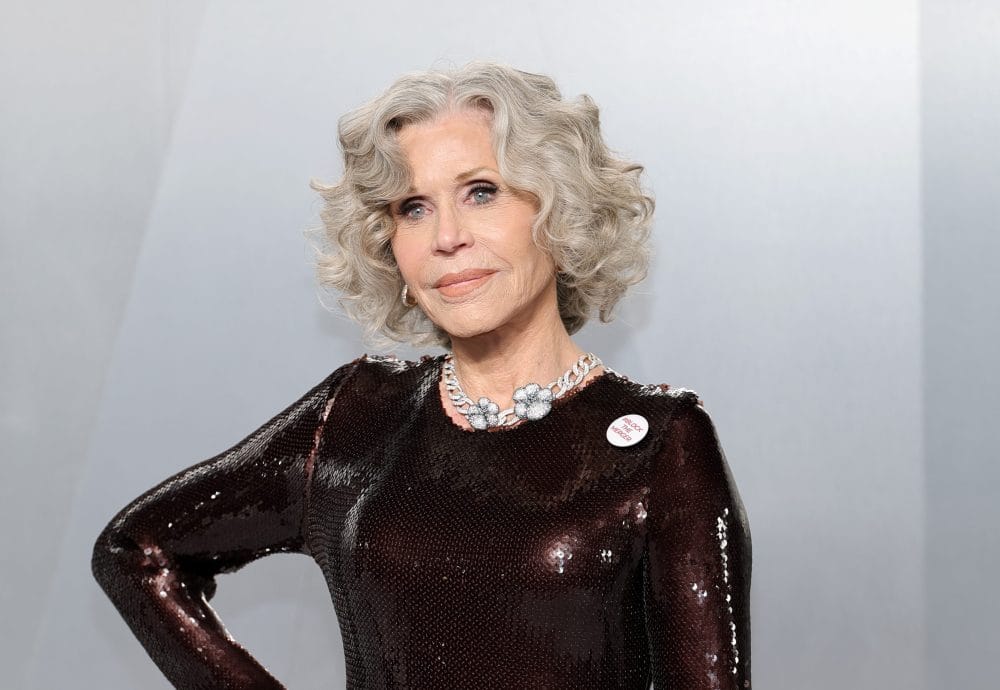
Jane Fonda arrived at the Vanity Fair Oscar Party wearing a pin that read "Block the Merger." Not a designer label. Not a political platitude. A direct protest against Paramount's purchase of Warner Bros., worn on one of the most photographed red carpets of the year. The message wasn't subtle, and it wasn't supposed to be.
Fonda, a two-time Oscar winner with decades of industry credibility, chose the night that Sinners and One Battle dominated the ceremony to make her opposition public. According to Variety, she told reporters at the event, "We have to stop it." The timing was deliberate. The Oscars are Hollywood's biggest night of self-congratulation—a celebration of the industry's creative output. Fonda used that platform to remind everyone watching that the infrastructure producing that output is collapsing into fewer and fewer hands.
This is not the first time consolidation has reshaped Hollywood. But it is the first time in recent memory that an A-list actor has used Oscar night visibility to protest it. That shift matters. For years, the conversation about studio mergers has been confined to trade publications, investor calls, and industry panels. Fonda's pin moved it onto the red carpet, into the entertainment news cycle, and into the general cultural conversation. The consolidation crisis is no longer an inside-baseball story. It's visible enough that celebrities are willing to stake their public image on opposing it.
The Paramount-Warner Bros. deal is the latest—and largest—in a wave of media consolidation that has fundamentally rewritten the entertainment industry's power structure. The streaming wars accelerated the trend, as studios scrambled to build platforms, acquire content libraries, and compete with Netflix's scale. The result has been a decade of mergers, acquisitions, and vertical integration that concentrated control over production, distribution, and exhibition into a shrinking number of corporate hands.
Paramount acquiring Warner Bros. would create a studio conglomerate with unparalleled leverage over theatrical distribution, streaming platforms, and content production. It would control two of the most storied film libraries in Hollywood history, two major streaming services, and a combined slate of franchises, IP, and talent deals that would dwarf most competitors. The deal would also eliminate one of the few remaining independent major studios, further narrowing the options for filmmakers, actors, and crew members negotiating contracts and project terms.
Fonda's protest is rooted in that reality. She is not just objecting to a corporate transaction. She is objecting to the structural consolidation that reduces competition, limits creative opportunities, and concentrates power in fewer executive hands. Her opposition is shared by labor unions, independent producers, and a growing number of industry professionals who have watched consolidation shrink the middle class of Hollywood—the directors, writers, and crew members who used to be able to make a living without attaching themselves to a franchise or a streaming platform's content pipeline.
What makes Fonda's red carpet protest significant is not just the message—it's the platform. The Vanity Fair Oscar Party is one of the most exclusive, most photographed, and most celebrity-dense events in the entertainment calendar. It is a space designed to celebrate wealth, glamour, and industry success. Fonda used that space to draw attention to the industry's structural failures. That is a fundamentally different calculation than issuing a statement through a publicist or signing an open letter. It is a public, visible, and highly photographed act of dissent that leverages her celebrity capital to force the conversation into mainstream entertainment coverage.
The fact that she did it on Oscar night—after Sinners and One Battle swept major categories—adds another layer of meaning. The Oscars are supposed to be about artistic achievement, not corporate strategy. But the two are inseparable. The films that win Oscars are financed, distributed, and marketed by the same studios negotiating these mergers. The creative infrastructure that produces award-winning work is the same infrastructure being consolidated. Fonda's pin was a reminder that the celebration of art cannot be separated from the economic and political forces shaping who gets to make it.
Her protest also reflects a broader shift in how Hollywood's labor class—actors, writers, directors—views consolidation. The 2023 writers' and actors' strikes made it clear that the industry's workforce is no longer willing to accept the narrative that consolidation is inevitable or neutral. Paramount's infrastructure advantages over Warner Bros. Discovery were built on years of strategic investment in ad tech, streaming platforms, and content pipelines. But those advantages came at a cost to the workers who produce the content. Consolidation has meant fewer buyers, lower budgets for mid-tier projects, and a shift toward franchise-driven IP that prioritizes brand recognition over creative risk.
Fonda's decision to speak out also highlights the generational divide in how Hollywood's elite engage with industry politics. Older actors—Fonda, her peers—built their careers in a studio system that, while flawed, offered more pathways to sustainable creative work. Younger actors are navigating an industry where streaming platforms dictate terms, algorithms determine visibility, and consolidation limits the number of studios willing to finance original projects. Fonda's protest is not just about the Paramount-Warner Bros. deal. It is about the industry she helped build being dismantled by corporate strategy that prioritizes shareholder value over creative sustainability.
The question now is whether Fonda's visibility will translate into action. Protests on red carpets generate headlines, but they do not stop mergers. The Paramount-Warner Bros. deal will be decided by regulators, antitrust lawyers, and corporate boards—not by celebrity opinion. But Fonda's pin does something that those processes cannot: it makes the consolidation crisis legible to a general audience. It moves the conversation out of trade publications and into the broader cultural discourse. It makes it possible for people who do not follow the entertainment industry's structural shifts to understand that something fundamental is changing—and that the people who make the art they consume are worried about it.
Fonda's protest also sets a precedent. If a two-time Oscar winner is willing to use the red carpet to oppose consolidation, other actors may follow. The Oscars are a platform. The Vanity Fair party is a platform. Fashion weeks, premieres, and award shows are all platforms that celebrities can use to make industry politics visible. Fonda just demonstrated that it is possible—and that the industry's consolidation crisis is now visible enough, and urgent enough, that A-listers are willing to risk the discomfort of speaking out.
The pin said "Block the Merger." The message was clear. The question is whether Hollywood is ready to listen.