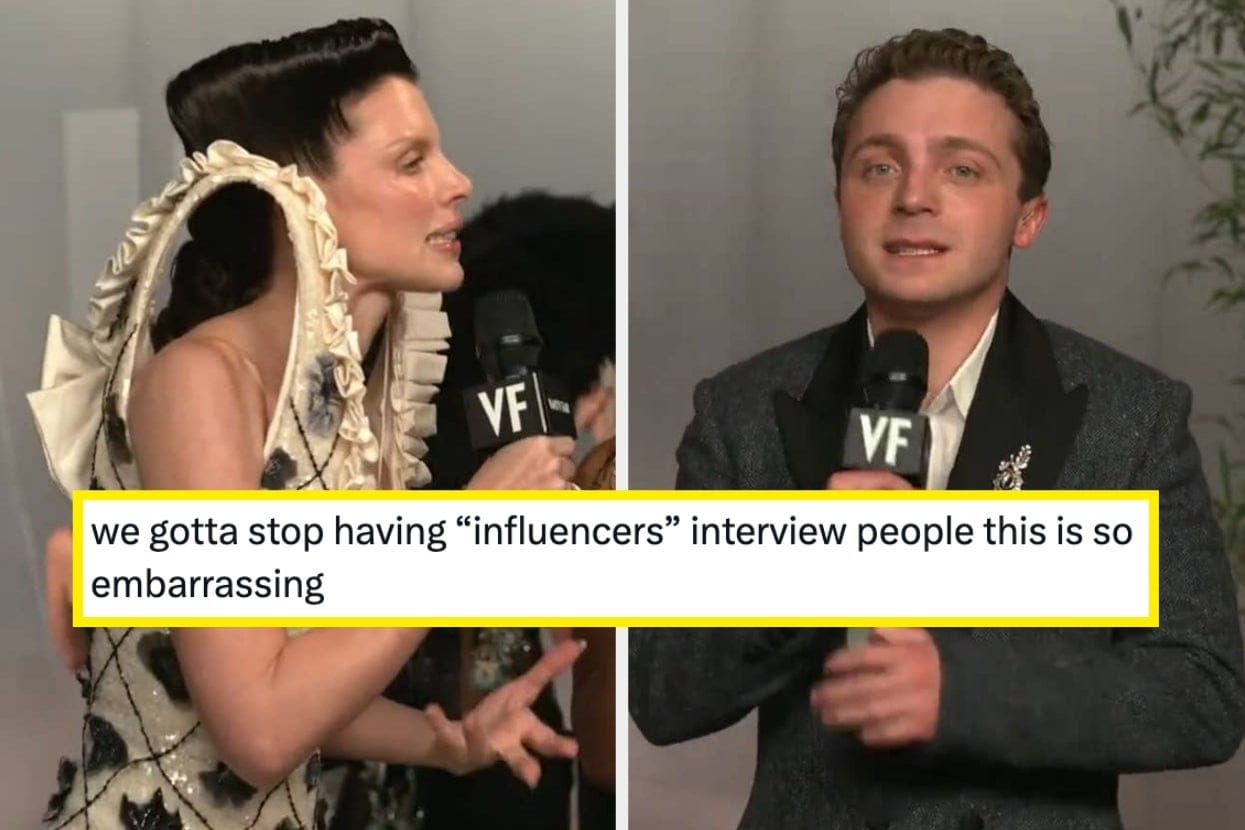
Julia Fox had to interrupt her own red carpet interview to ask if she could finish a sentence. The moment—captured on video at the 2026 Oscars and dissected across social media via BuzzFeed—wasn't dramatic. It was worse: it was awkward in a way that made the entire transaction visible. Fox was mid-answer when Jake Shane, the TikTok creator and podcaster conducting the interview, stopped listening and started talking over her to react to what she'd said—not to her, but to his co-host. Fox paused, smiled tightly, and asked, "Can I tell you something?" The phrasing was polite. The subtext was not.
The clip went viral not because it was scandalous but because it crystallized something people have been feeling for a while: red carpet interviews with influencer hosts often aren't interviews at all. They're content opportunities where the celebrity is a prop in someone else's performance. Shane wasn't being malicious—he was doing what influencers are trained to do, which is react, riff, and keep the energy up for their audience. The problem is that his audience wasn't Julia Fox. It was the people watching his TikTok later. Fox, standing in front of him in a gown, was secondary to the bit.
This is the structural flaw in the creator economy's takeover of traditional entertainment media roles. Influencers built their careers on parasocial intimacy—talking to a camera like it's a friend, performing relatability, making the audience feel seen. That skill set does not automatically translate to interviewing another human being in real time, where the goal is to make *them* feel seen, not your followers. The instinct to perform for the camera overrides the instinct to listen to the person in front of you. The result is what happened to Fox: a moment where the celebrity had to actively reclaim space in a conversation that was supposed to be about them.
Traditional entertainment journalists—the ones who've been doing red carpets for decades—understand that the celebrity is the story. The interviewer's job is to ask the question, get out of the way, and make the subject comfortable enough to give you something usable. Influencer interviewers, by contrast, are trained to *be* the story. Their brand is their personality. Their value is their reaction. The celebrity becomes a guest star in the influencer's content, not the other way around. That's fine when both parties understand the transaction—when a celebrity goes on a podcast or does a collab, they know they're stepping into someone else's format. But on a red carpet, where the celebrity is the one being celebrated and the interviewer is supposed to be in service of that, the dynamic flips in a way that feels off.
The broader issue is that platforms and agencies are treating influencer access to traditional media spaces as a win for democratization without asking whether the people being given that access have the skills—or the interest—in doing the job well. Shane has millions of followers and a successful podcast. That doesn't mean he's trained to conduct a red carpet interview where the goal is to center someone else. The two skill sets are not the same, and pretending they are is how you end up with moments like the one Fox had to navigate: a celebrity politely asking permission to speak in an interview *about her*.
What makes the Fox-Shane moment particularly telling is that it wasn't an outlier. It was just the one that got clipped and shared widely enough to become a referendum on the whole model. Scroll through red carpet content from any major event in the past two years, and you'll find dozens of similar moments: influencers mugging for the camera while the celebrity stands there waiting for the next question, hosts cutting off answers to make a joke to their co-host, interviewers asking questions clearly designed to go viral rather than elicit anything interesting from the person they're talking to. The format has shifted from interview to performance, and the person being interviewed is increasingly optional to the transaction.
The Fox clip also highlights a secondary problem: influencers on red carpets are often there because a brand or platform paid for the access, not because an editorial outlet assigned them to do journalism. That changes the incentive structure entirely. A journalist's job is to get the story. An influencer's job is to create content that performs well for their audience and satisfies whatever brand partnership got them there in the first place. Those goals are not always aligned with making the celebrity feel respected or giving the audience anything substantive. The result is red carpet coverage that feels less like reporting and more like sponsored content with a famous person awkwardly placed in the frame.
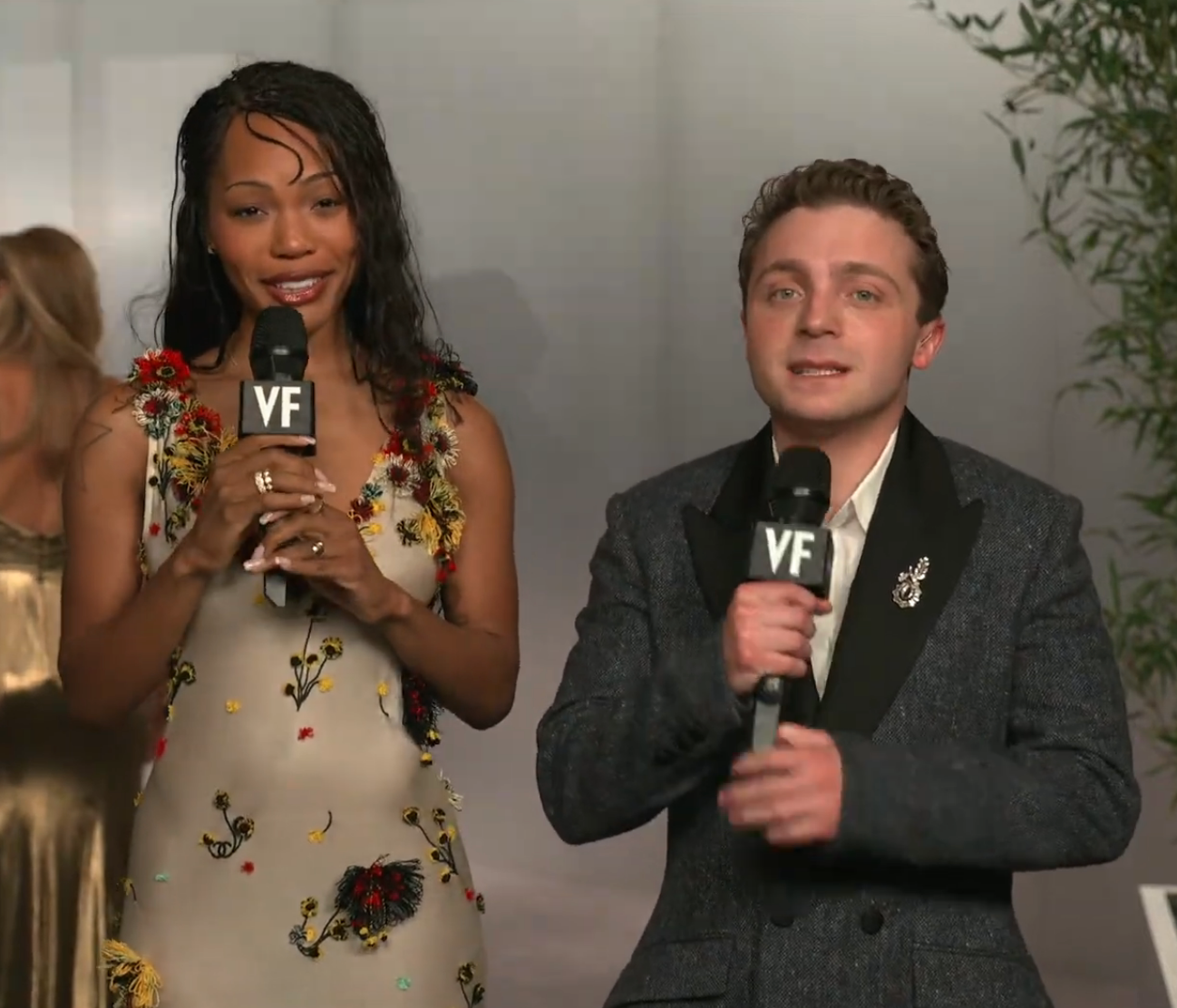
The future of this is predictable: more influencers will get red carpet access because platforms and brands see it as valuable, more moments like the Fox interview will go viral and get criticized, and the cycle will continue until either the celebrities start refusing to engage or the influencers figure out that listening is part of the job. The smarter ones already know. The ones who don't will keep producing clips where the most interesting thing happening is the celebrity trying to get a word in. That's not an interview. It's a hostage situation with better lighting.