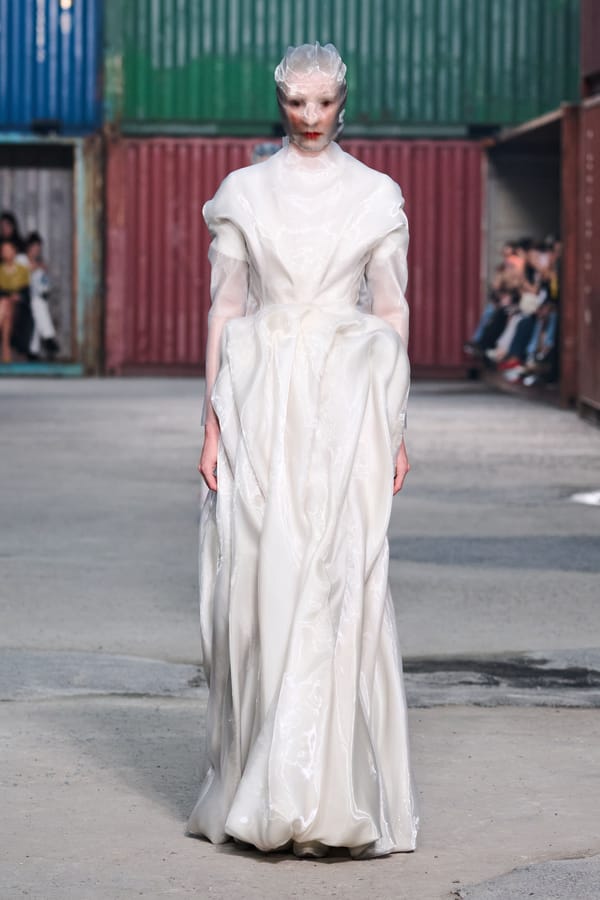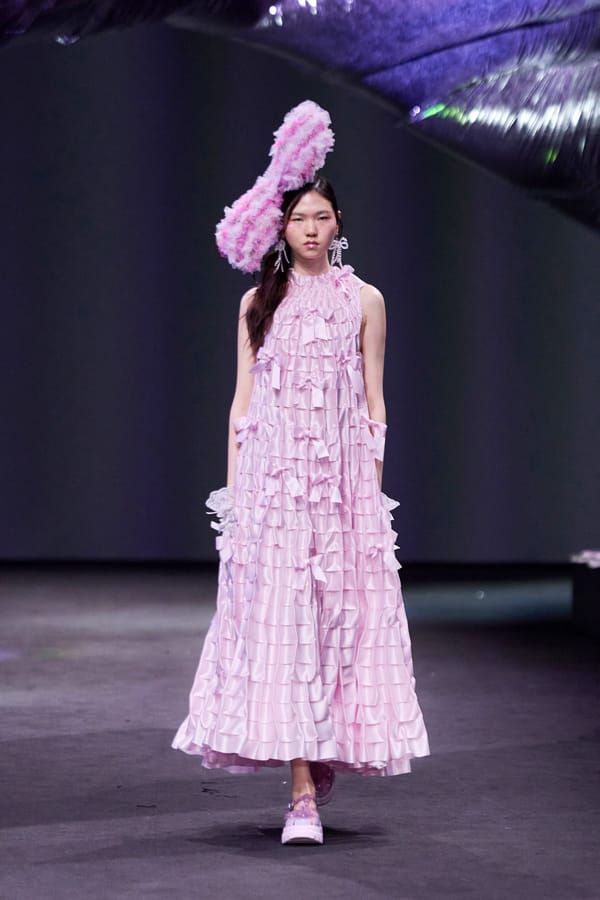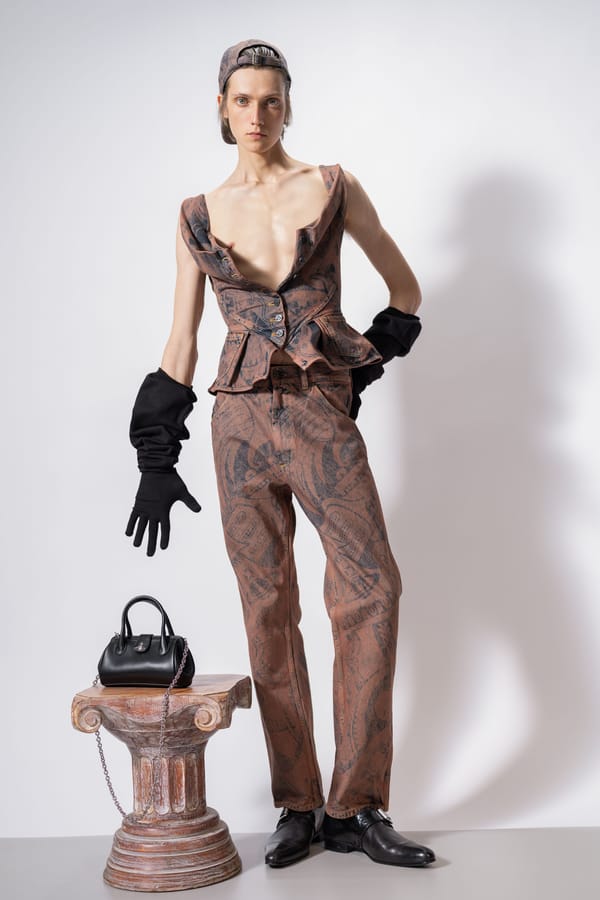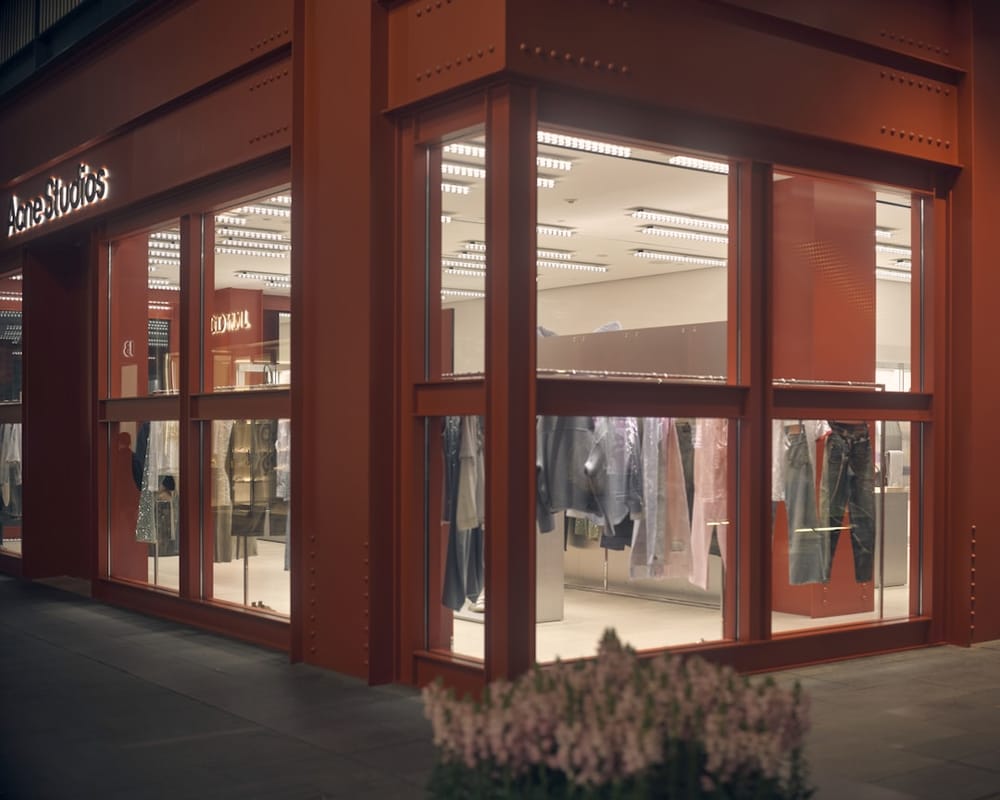
Loewe marked Jack McCollough and Lazaro Hernandez's debut collection hitting stores with a full takeover of Bergdorf Goodman's windows and a dinner at The Odeon. The festivities unfolded downtown, but the real business happened uptown: a strategic partnership that signals how LVMH is building luxury brands in America without adding more stores to its own real estate portfolio.
According to Vogue, the window takeover was unveiled a day before the dinner, positioning Bergdorf as the American anchor point for McCollough and Hernandez's vision. The timing wasn't coincidental. LVMH has spent the past decade building Loewe into a billion-euro brand under Jonathan Anderson's creative direction, and the American market remains the final growth frontier. But instead of the traditional luxury playbook — opening flagship stores in every major city — LVMH is leveraging existing retail infrastructure to scale faster and cheaper.
Bergdorf Goodman offers something Loewe can't build on its own: decades of trust with American luxury consumers, prime Fifth Avenue real estate without the capital expenditure, and a curated retail environment that positions the brand alongside peer luxury houses. The window takeover isn't just marketing — it's a signal to American buyers that Loewe is a priority brand at the store level, not just another European label competing for floor space. That matters more than most shoppers realize. Department stores control visibility, merchandising, and customer data in ways that even luxury conglomerates struggle to replicate independently.
This strategy mirrors how Prada turned around Versace by focusing on wholesale partnerships rather than overextending with owned retail. LVMH learned from Kering's mistakes with Bottega Veneta, which opened too many stores too fast in America and had to retreat when sales didn't justify the overhead. Loewe is taking the opposite approach: build brand heat through strategic retail partnerships, let department stores absorb the risk, and only open owned stores in markets where demand is already proven.
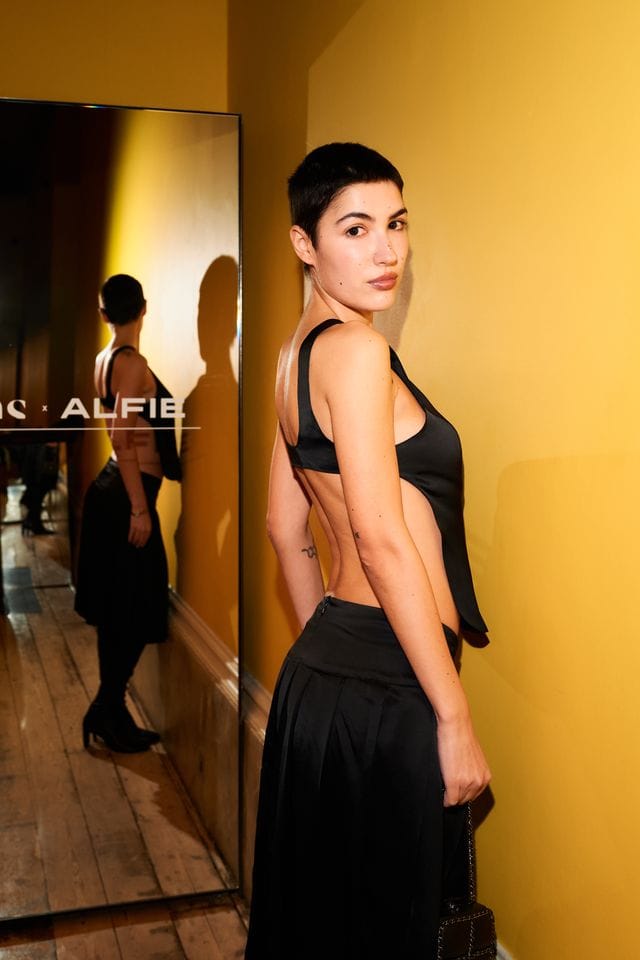
The Odeon dinner reinforced the strategy. The guest list — a mix of fashion editors, stylists, and influencers — wasn't about selling product. It was about establishing Loewe as a culturally relevant brand in New York's creative economy, the kind of house that matters to the people who shape taste before it reaches consumers. LVMH knows that American luxury buyers don't just want product — they want cultural capital. A window takeover at Bergdorf and a downtown dinner does more to build that capital than a standalone flagship store ever could.
What makes this approach smarter than the old luxury model is that it acknowledges a structural shift in how American consumers shop. Department stores were supposed to be dying, but the luxury tier never collapsed the way mid-market retail did. Bergdorf, Neiman Marcus, and Saks still control access to the wealthiest segment of American shoppers, the ones who prefer curated environments over brand-specific stores. LVMH is betting that Loewe's growth in America doesn't require converting those shoppers into Loewe-only customers — it just requires being the best option in the stores they already visit.
The window takeover also serves a secondary function: it tells other American retailers that Loewe is a brand worth prioritizing. When Bergdorf gives a brand that level of visibility, Neiman Marcus and Saks pay attention. The partnership creates competitive pressure that benefits LVMH without requiring direct negotiation. Other stores will want comparable access to McCollough and Hernandez's work, and LVMH can use that demand to negotiate better terms across the American retail landscape.
This is the same playbook LVMH used to position Louis Vuitton as intellectual luxury — control the narrative, leverage existing infrastructure, and let the market come to you rather than chasing it with capital-intensive expansion. The difference is that Loewe doesn't have Louis Vuitton's brand recognition in America yet, which makes the Bergdorf partnership even more critical. It's not just about selling product — it's about establishing legitimacy in a market that still views European luxury through a narrow lens of heritage houses.
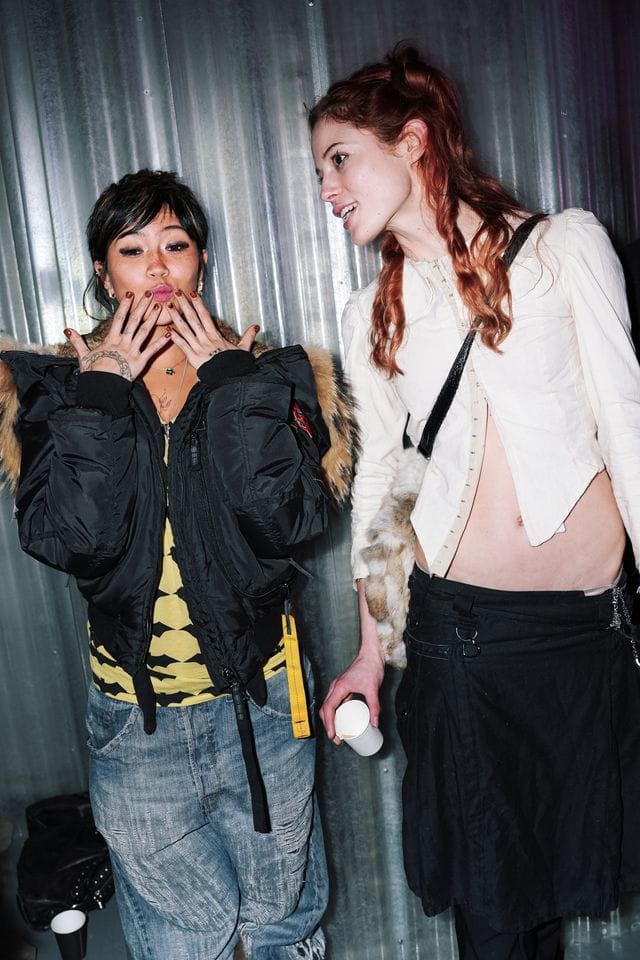
The dinner at The Odeon was the cultural signal. The windows at Bergdorf are the business strategy. LVMH is building Loewe in America by embedding it into the retail infrastructure that already works, rather than betting billions on owned stores that may or may not succeed. It's a quieter, smarter approach than the luxury expansion model of the past decade — and it's working because it acknowledges that American luxury consumers don't need more stores. They need better curation in the stores that already have their loyalty.