
Betting markets have Michael B. Jordan in the lead for a best actor Oscar. For months, Timothée Chalamet held the momentum. The performances haven't changed. The films are the same. What shifted was the campaign — and the fact that bookmakers noticed before industry insiders says everything about how transparent Oscar strategy has become.
The Academy Awards have always been a lobbying operation dressed in evening wear. But the distance between "may the best performance win" and "may the best campaign win" has collapsed so completely that betting markets now function as real-time scorecards for who's doing the work. Jordan's odds improved not because critics reassessed his performance, but because he showed up. Repeatedly. Strategically. With the kind of relentless visibility that Oscar campaigns demand and that Chalamet's team either couldn't or wouldn't match.
This is the entertainment industry's worst-kept secret made legible. Betting markets don't care about artistic merit — they care about probability. And in a race where voters are swayed by Q&As, guild events, trade magazine covers, and the sheer ambient presence of a candidate in the cultural conversation, probability is a function of effort. Jordan's team understood that. They built a campaign infrastructure around maximum exposure: screenings in key cities, targeted appearances at guild events, strategic interviews timed to voting windows. Chalamet's team, by contrast, appeared to bet on the performance speaking for itself. In an Oscar race, that's a miscalculation.
The shift mirrors a broader pattern in how Hollywood's awards machinery operates. Celebrity visibility is market value, and market value is built through repetition and presence. The actors who win Oscars aren't always the ones who gave the best performances — they're the ones whose teams executed the best campaigns. Jordan's rise in the betting markets is a direct reflection of that reality. His team treated the campaign like a product launch, with Jordan as both the product and the spokesperson. Chalamet's team treated it like a victory lap. The market responded accordingly.
What makes this particularly revealing is that betting markets have become more reliable indicators of Oscar outcomes than critical consensus. Bookmakers aggregate data from campaign visibility, guild voting patterns, and historical precedent. They don't care about auteur theory or performance nuance — they care about what wins. And what wins is the candidate who dominates the conversation in the final weeks before voting closes. Jordan's odds improved because his team engineered that dominance. Chalamet's odds slipped because his team didn't.
This isn't a critique of Jordan's performance or his campaign. He's doing exactly what the system rewards. The issue is the system itself — one where the outcome of a supposedly artistic competition is so predictable that bookmakers can model it with the same precision they apply to sports. The Oscars have always been political, but the degree to which campaign infrastructure now determines outcomes has turned the race into a business strategy competition. The best actor category has become a case study in resource allocation and media saturation.
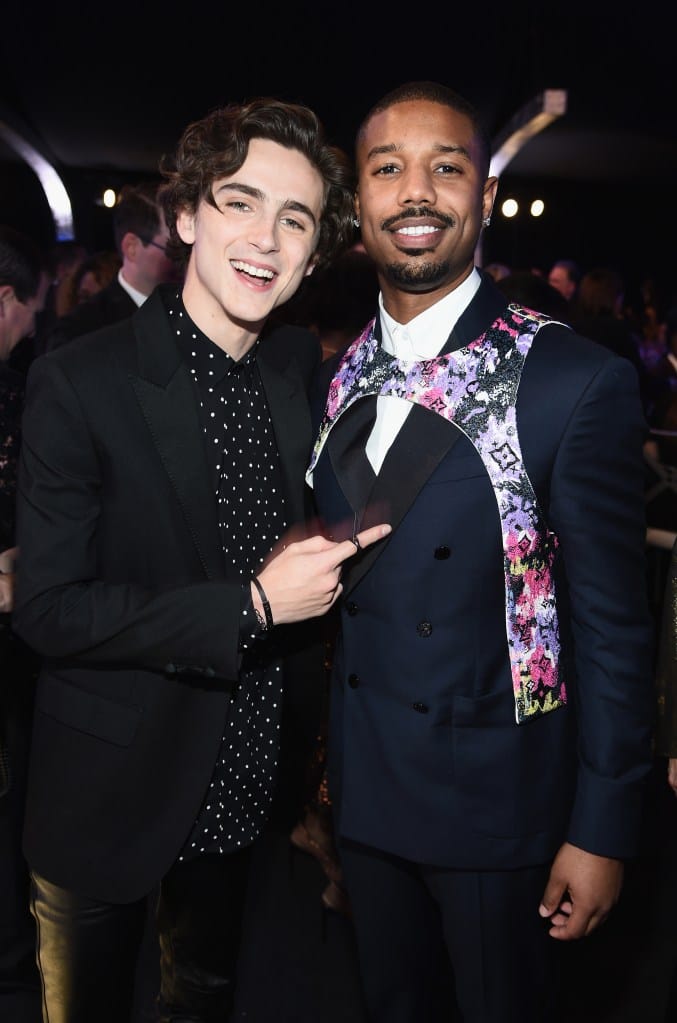
Chalamet's slide in the betting markets also reveals the limits of star power without campaign infrastructure. He's one of the most bankable actors of his generation, with a fan base that spans demographics and a track record of critical acclaim. But in an Oscar race, star power without strategic visibility is inert. The Academy's voting body is older, more traditional, and more reliant on the cues that campaigns provide — screeners, Q&As, trade coverage. Jordan's team met voters where they are. Chalamet's team assumed the work was already done.
The entertainment industry has spent the last decade turning individuals into networks, where every public appearance is a distribution channel and every interview is a data point. Oscar campaigns are the most concentrated version of that model. Jordan's campaign treated every event as an opportunity to reinforce his narrative. Chalamet's campaign treated the nomination as the finish line. The betting markets caught the difference before the trades did.
What's particularly striking is how little this has to do with the films themselves. Jordan and Chalamet are both delivering performances that justify their nominations. But the race isn't being decided on performance — it's being decided on who executed a better media strategy in the two months between nominations and the ceremony. That's not a failure of the actors. It's a feature of a system that has fully monetized and industrialized the awards process. The Oscars are no longer a referendum on the year's best work — they're a referendum on who ran the best campaign.
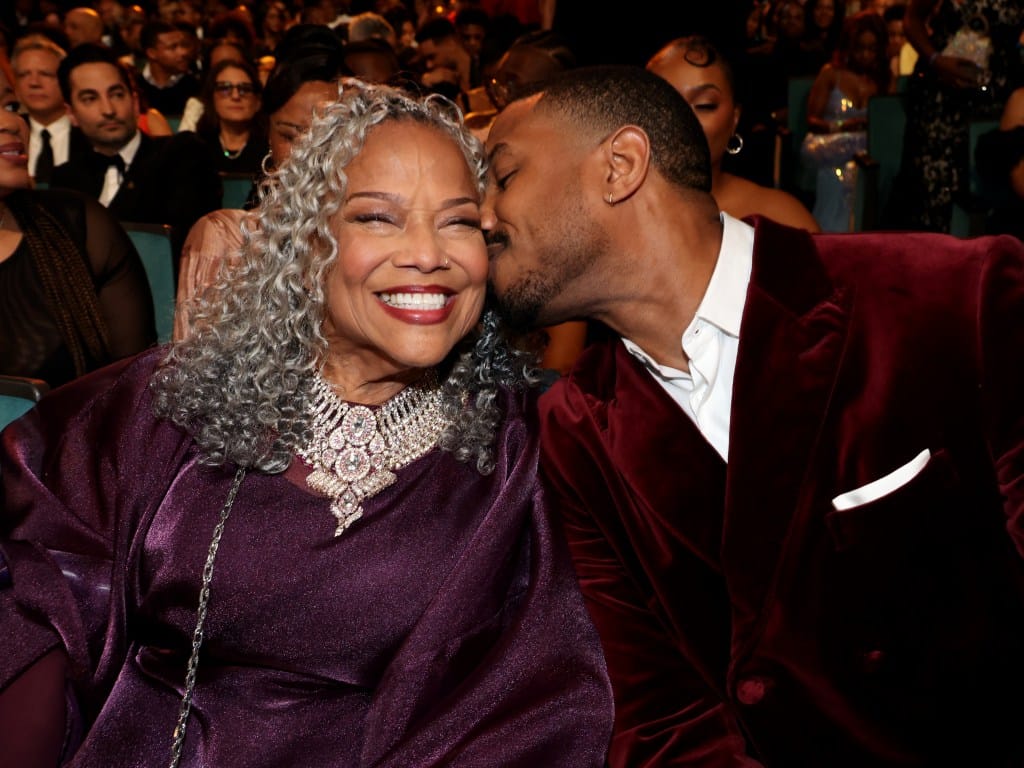
The shift also highlights how much the Academy's voting base relies on external signals to make decisions. Voters are busy. They don't watch every screener. They rely on guild endorsements, critical consensus, and the ambient sense of who "deserves" to win. Campaigns shape that ambient sense. Jordan's visibility created the impression of inevitability. Chalamet's relative absence created the impression of a frontrunner who peaked too early. Betting markets simply formalized what the industry already knew.
This dynamic isn't unique to the Oscars. Celebrity commerce runs on the same logic — sustained visibility converts to market value, and market value converts to deals, endorsements, and leverage. Jordan's Oscar campaign is a compressed version of the same strategy. Show up. Stay visible. Control the narrative. Let the market respond. The betting odds shifting in his favor aren't a prediction — they're a confirmation that the strategy worked.
The most uncomfortable truth here is that the Oscars have become so transparent that the outcome feels less like a surprise and more like a foregone conclusion. Betting markets don't just reflect the race — they shape how the industry talks about it. Once Jordan became the betting favorite, the narrative shifted. Trade coverage started framing him as the frontrunner. Guild voters started seeing his name more often. The campaign infrastructure created a feedback loop that reinforced itself. Chalamet's team needed to disrupt that loop. They didn't.
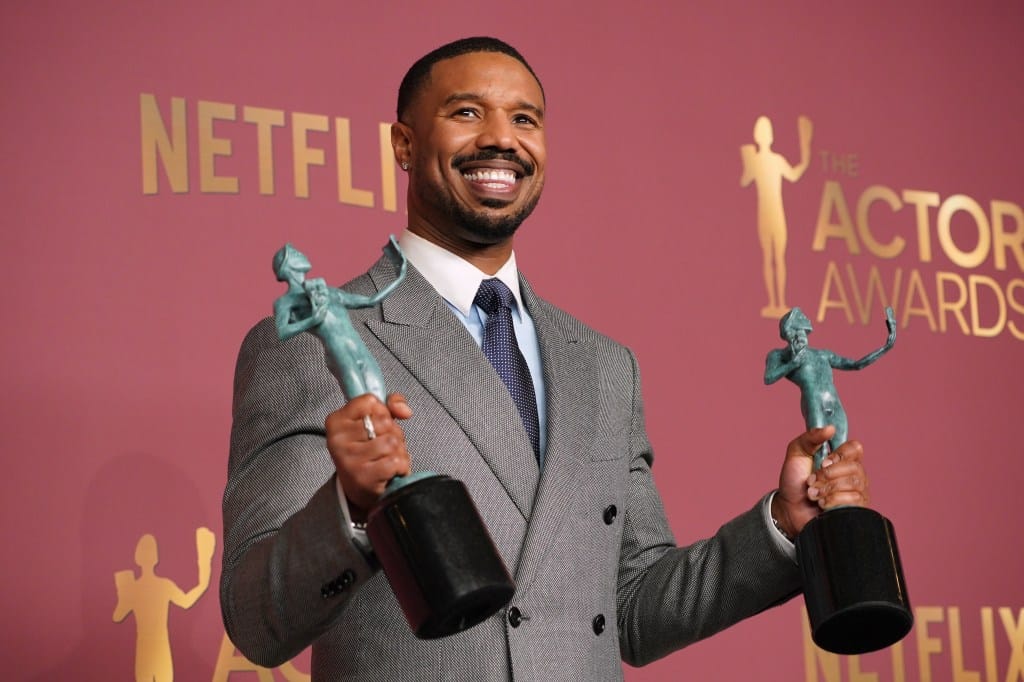
If Jordan wins, it won't be because he gave a better performance than Chalamet. It'll be because his team understood that Oscar campaigns are won in the margins — at guild screenings, in trade interviews, in the steady accumulation of visibility that turns a nomination into inevitability. The betting markets saw it coming. The industry will act surprised anyway. And next year, the cycle will repeat, because the Oscars have fully committed to being a business competition dressed as an artistic one. The only question is whether voters are comfortable admitting it.