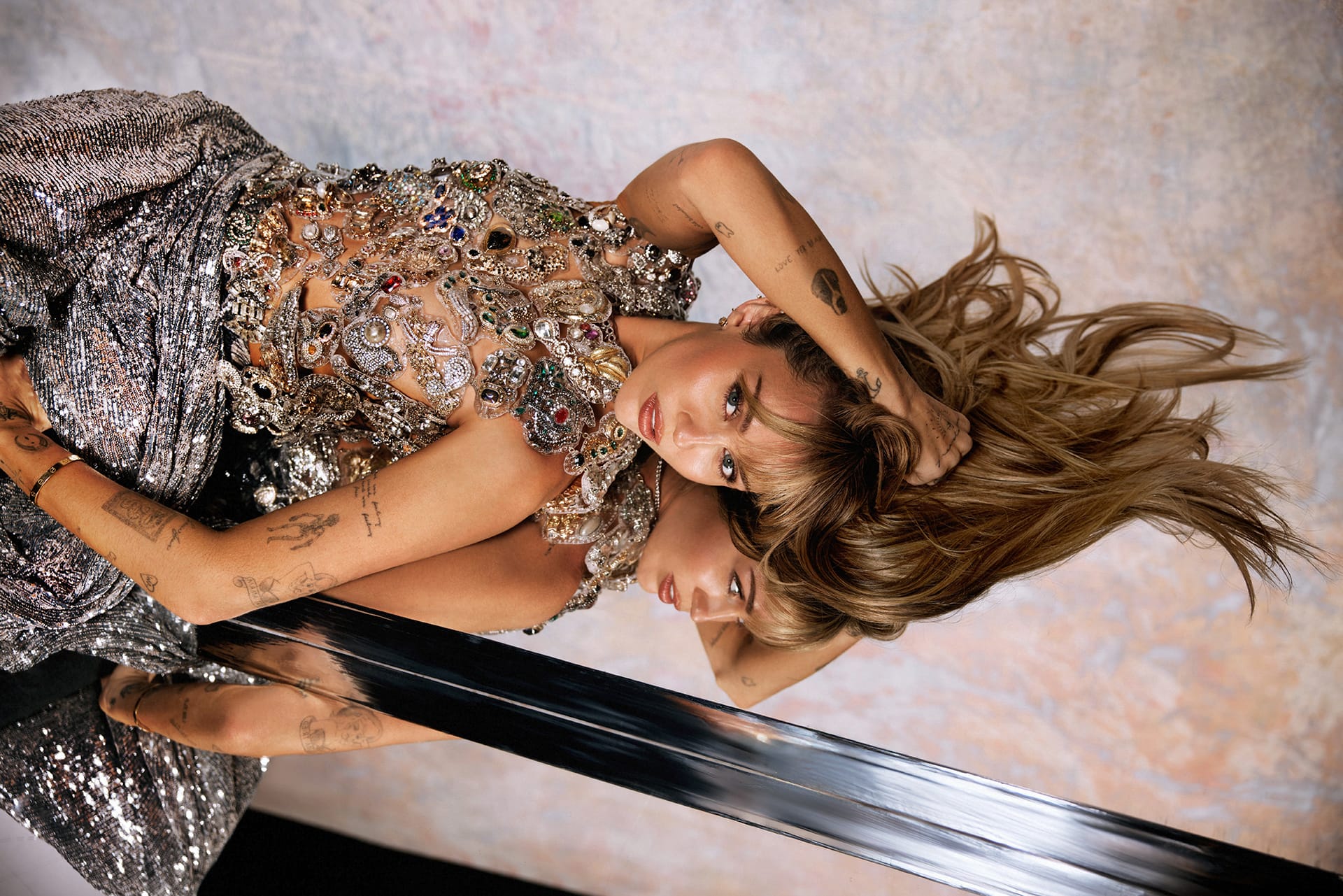
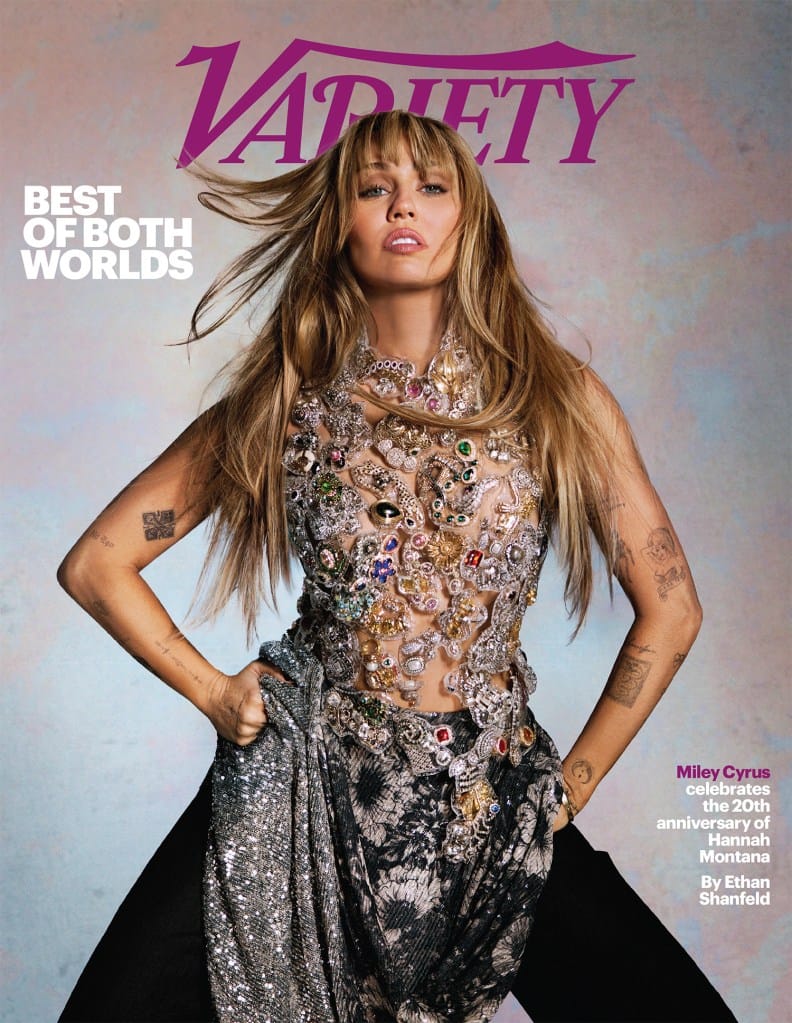
In February 2026, 215 fans lined up at Sunset Gower Studios in Hollywood wearing headset microphones, orange bob wigs, and glittery scarves draped over color-clashing sequined dresses. They weren't there for a nostalgia cash-grab or a Disney+ reboot announcement. They were there to watch Miley Cyrus resurrect Hannah Montana — not as the character Disney created, but as the icon Miley decided she could finally own.
The event, as Variety reported, marked the 20th anniversary of the show that made Cyrus a household name at 13 and nearly destroyed her by 18. But the tone wasn't celebratory in the way Disney anniversaries usually are. It was reclamation. Cyrus showed up on her terms, with her narrative, and made it clear that Hannah Montana belongs to her now — not to the studio that profited from her adolescence, not to the fans who still want her to perform innocence, and not to the tabloid cycle that spent a decade punishing her for growing up.
This is the new child star playbook. After decades of watching former Disney and Nickelodeon actors struggle to escape the characters that made them famous — or worse, watching those characters become weapons used against them — a generation of performers is finally claiming the right to rewrite their origin stories. Miley's Hannah Montana anniversary isn't nostalgia. It's a power move.
The cultural shift is obvious if you've been paying attention. Streaming platforms are struggling to figure out how to monetize nostalgia without the original creators' cooperation. Studios that once owned every frame of a child star's image are discovering that those stars — now adults with leverage, sobriety, and legal teams — can say no. Miley's decision to engage with Hannah Montana after years of publicly distancing herself from the character isn't a capitulation. It's a negotiation she's finally powerful enough to win.
The business strategy is straightforward. Disney built an empire on Hannah Montana. The show ran for four seasons, generated two feature films, launched a multi-platinum music career, and created a merchandising juggernaut that printed money for years. But Miley Cyrus got a fraction of that value — and paid for it with her mental health, her privacy, and a decade of public scrutiny that treated her every act of rebellion as a personal betrayal to the children who'd watched her show.
Now she's 33, sober, and in control of her narrative in a way that wasn't possible when she was 18 and desperate to prove she wasn't Hannah anymore. The difference between the Miley who showed up to the VMAs in a foam finger in 2013 and the Miley hosting a Hannah Montana anniversary event in 2026 isn't maturity — it's leverage. She doesn't need Disney's approval anymore. She has her own brand, her own audience, and the cultural authority to decide what Hannah Montana means now.
The broader pattern is impossible to miss. Nostalgia culture has shifted from passive consumption to active remix, and the people who lived through these franchises as children are the ones doing the remixing. Miley's not the only former child star rewriting the terms. Jennette McCurdy published a memoir eviscerating Nickelodeon's treatment of child actors. Demi Lovato has spent years publicly dismantling the Disney machine that nearly killed them. Even the Olsen twins — the original child star cautionary tale — have spent two decades refusing to engage with Full House nostalgia, and their silence reads as the most powerful statement of all.
What makes Miley's move particularly sharp is the timing. She's doing this after getting sober, after reconciling with her father Billy Ray Cyrus, and after building a solo career that doesn't depend on Hannah Montana's goodwill. As she told Variety, "I wasn't trying to kill Hannah Montana off" — but she needed distance to figure out who Miley Cyrus was without the wig. Now that she knows, she can afford to let Hannah back in. On her terms.
The accountability lens here is crucial. Disney built its empire on the labor of child actors, and for decades, those actors had no recourse when the studio's interests conflicted with their well-being. The contracts were ironclad. The image management was totalizing. And when the kids inevitably grew up and wanted out, the studio framed their rebellion as ingratitude. Miley's 20-year journey from Disney darling to tabloid villain to independent artist to Hannah Montana's rightful owner is a case study in how much power has shifted.
The fact that she can show up to a Hannah Montana anniversary event and control the narrative — rather than being trotted out for a Disney+ reboot she didn't want — is evidence that the old studio system's grip on child stars is finally loosening. Not because the studios got more ethical, but because the actors got more powerful. The prestige TV era taught audiences that actors could outgrow their defining roles and come back to them on their own terms, and that lesson has trickled down to the child stars who never got that option before.
The cultural stakes are higher than they look. Hannah Montana wasn't just a TV show — it was a template for how Disney monetized girlhood. The dual identity, the secret pop star, the performance of normalcy alongside the performance of fame — it was a metaphor for what Disney demanded from its young stars in real life. Miley's decision to reclaim Hannah Montana isn't just about one character. It's about taking back the narrative that Disney used to justify surveilling, controlling, and profiting from her adolescence.
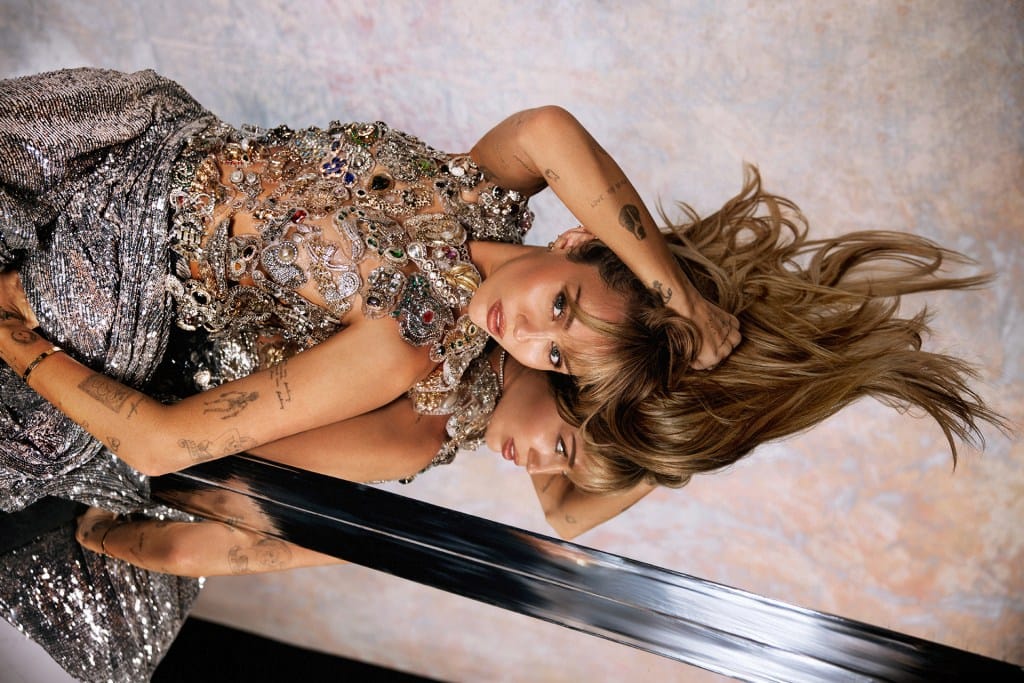
And the fans who showed up in their Hannah Montana costumes? They're not asking Miley to be 13 again. They're celebrating the fact that she survived, got sober, and came back to claim what was always hers. That's not nostalgia. That's vindication.
The question now is whether other studios will learn the lesson. The smartest production companies are already figuring out that creator involvement isn't optional anymore — audiences can tell when something is made with the original voice versus when it's a corporate approximation. The same logic applies to child stars and the franchises they built. If Disney wants to keep mining Hannah Montana for value, they're going to have to negotiate with Miley Cyrus, not the 13-year-old they signed in 2006.
Miley's Hannah Montana resurrection isn't a reunion tour. It's a renegotiation. And the fact that she's the one setting the terms — 20 years later, sober, powerful, and uninterested in pretending the last two decades didn't happen — is the most significant shift in child star power dynamics in a generation. Disney built Hannah Montana. But Miley Cyrus owns her now.