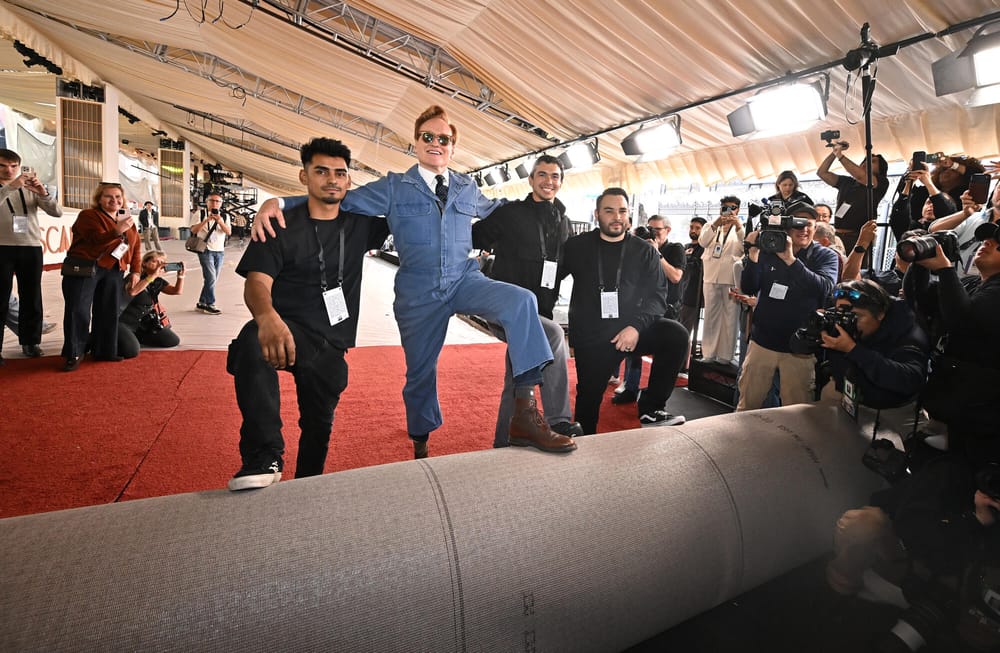
The red carpet rolled out Wednesday morning in Hollywood. Conan O'Brien showed up for his hosting duties. Media crews staked their positions outside the Dolby Theatre. And somewhere in the background, security teams recalibrated their protocols after the FBI issued a warning about possible Iranian drone threats targeting high-profile events in California. The Oscars, according to Variety, confirmed that safety preparations are "routine and robust" — which is industry speak for "we were already prepared for this, but now we're more prepared."
The Academy didn't elaborate on what "robust" means in practice, and they shouldn't have to. But the fact that an FBI alert about foreign government drone activity is now part of the pre-show checklist tells you everything about how Hollywood's biggest night has shifted from a celebrity spectacle into a potential geopolitical flashpoint. The Oscars have always been a target for protestors, activists, and attention-seekers. Now they're a target for state actors with military technology.
This isn't new, exactly. Major public events have operated under heightened security since 9/11. The Super Bowl is a no-fly zone. Political conventions deploy federal resources. But the Oscars occupy a different cultural space — they're not a government function or a sports event. They're a private industry celebration that happens to command global attention. And that attention, combined with Hollywood's symbolic weight as an American cultural export, makes the ceremony a high-value target for anyone looking to send a message to the United States. The fact that the FBI felt compelled to issue a warning ahead of this year's show suggests that the threat assessment has changed — not because Hollywood is more important, but because U.S. military action in the Middle East has escalated to the point where retaliation against high-profile civilian events is now a plausible scenario.
The timing matters. The FBI warning comes as U.S. operations in the region intensify, and Iran has made no secret of its willingness to respond asymmetrically. A drone attack on the Oscars wouldn't just be an act of violence — it would be a symbolic strike on American soft power, broadcast live to a global audience. The Academy can't say that out loud, but the security apparatus around the event now has to plan for it. That's a different calculation than managing crowd control or keeping overzealous fans off the red carpet. It's a military risk assessment grafted onto a Hollywood production.
What's striking is how little this changes the show itself. The Oscars will proceed as planned. The speeches will happen. The fashion will be photographed. The after-parties will run late. But beneath the surface, the infrastructure of the event has fundamentally shifted. Security is no longer just about managing the spectacle — it's about protecting it from actors who see the spectacle as the target. That's a new kind of vulnerability for an industry that has always controlled its own narrative. Hollywood is used to being the subject of criticism, satire, and protest. It's not used to being a potential site of international conflict.
The Academy's response — emphasizing that preparations are routine — is the only move available. Acknowledging the specific nature of the threat would only amplify it. But the fact that the FBI felt the need to issue a public warning suggests that the risk is credible enough to warrant coordination with state and local authorities. That's not routine. That's a recognition that the Oscars now exist in the same threat landscape as government buildings and critical infrastructure.
Other major entertainment events will be watching. The Met Gala, Coachella, the Grammys — any high-profile gathering that draws global media attention is now operating under the same calculus. The difference is that the Oscars carry a specific symbolic weight. They represent Hollywood, which represents American culture, which represents American influence. That's a target. And as U.S. foreign policy continues to generate adversaries with both the motive and the means to strike back, the entertainment industry is going to have to reckon with the fact that its biggest nights are no longer just about movies.
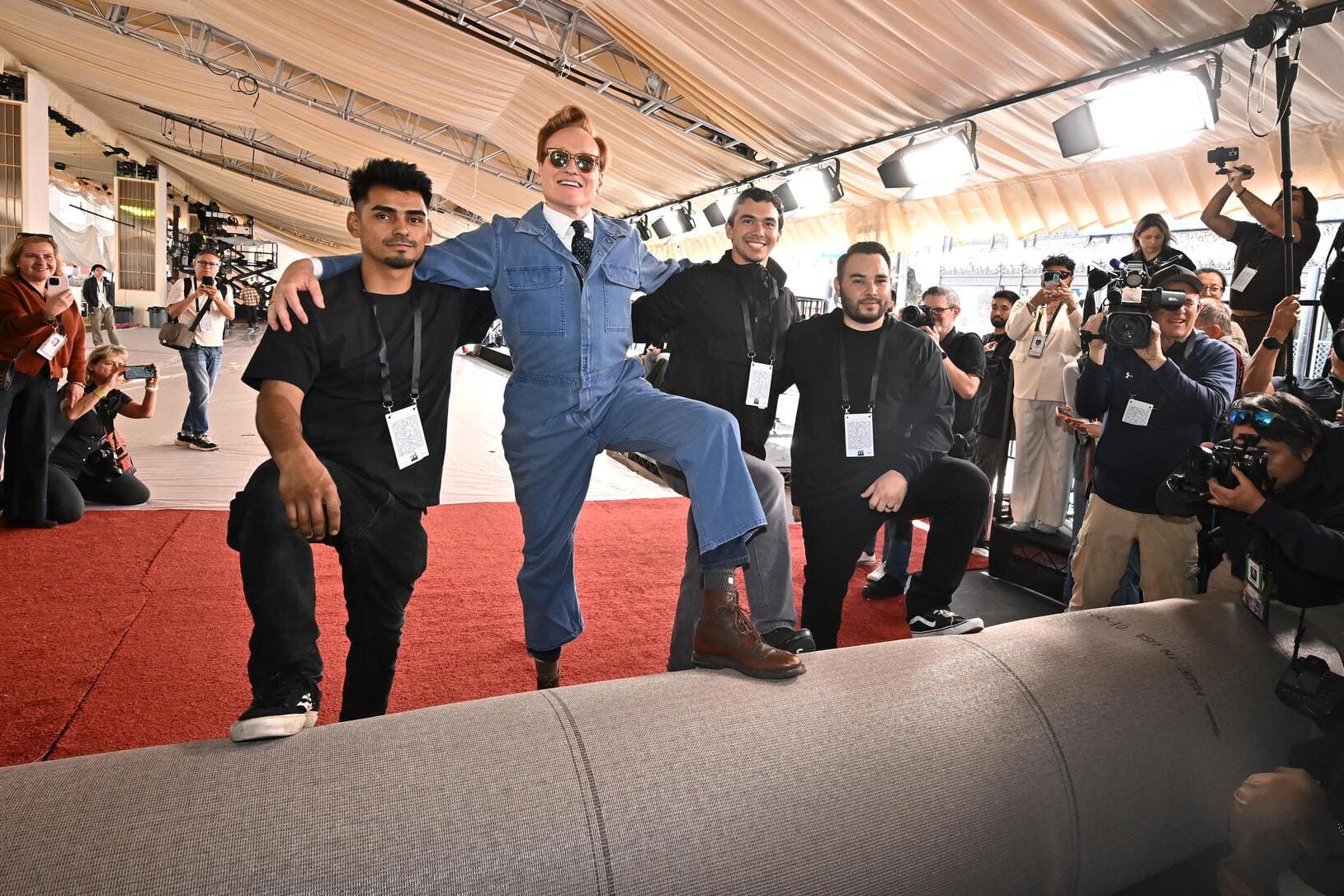
The red carpet will look the same. The speeches will sound the same. But the infrastructure holding it all together has quietly transformed into something closer to a military operation than a media event. That's the cost of being a global symbol in an era where symbols are considered legitimate targets. Hollywood wanted the world's attention. Now it has to live with what that attention attracts.