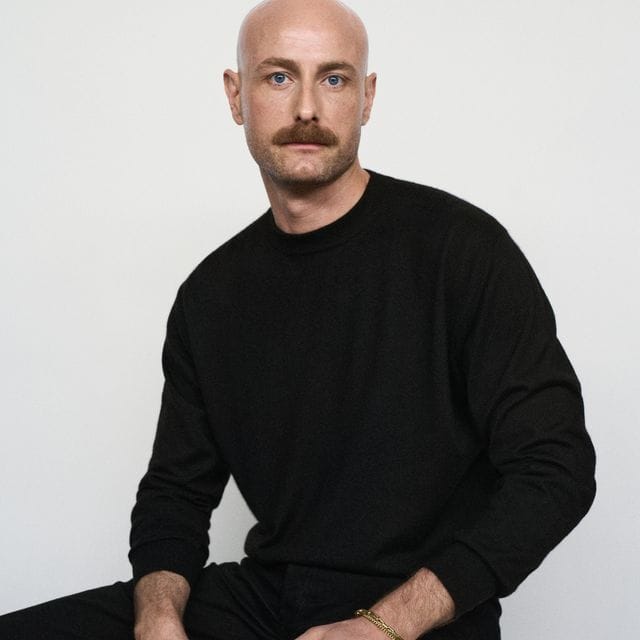
Drew Henry just became the latest designer to move from Phoebe Philo's Céline to the helm of a major fashion house. The appointment — reported by Vogue — extends a pattern that has been building quietly for years: Philo's former design team now occupies more creative director chairs at major brands than any other single designer's alumni network in the industry.
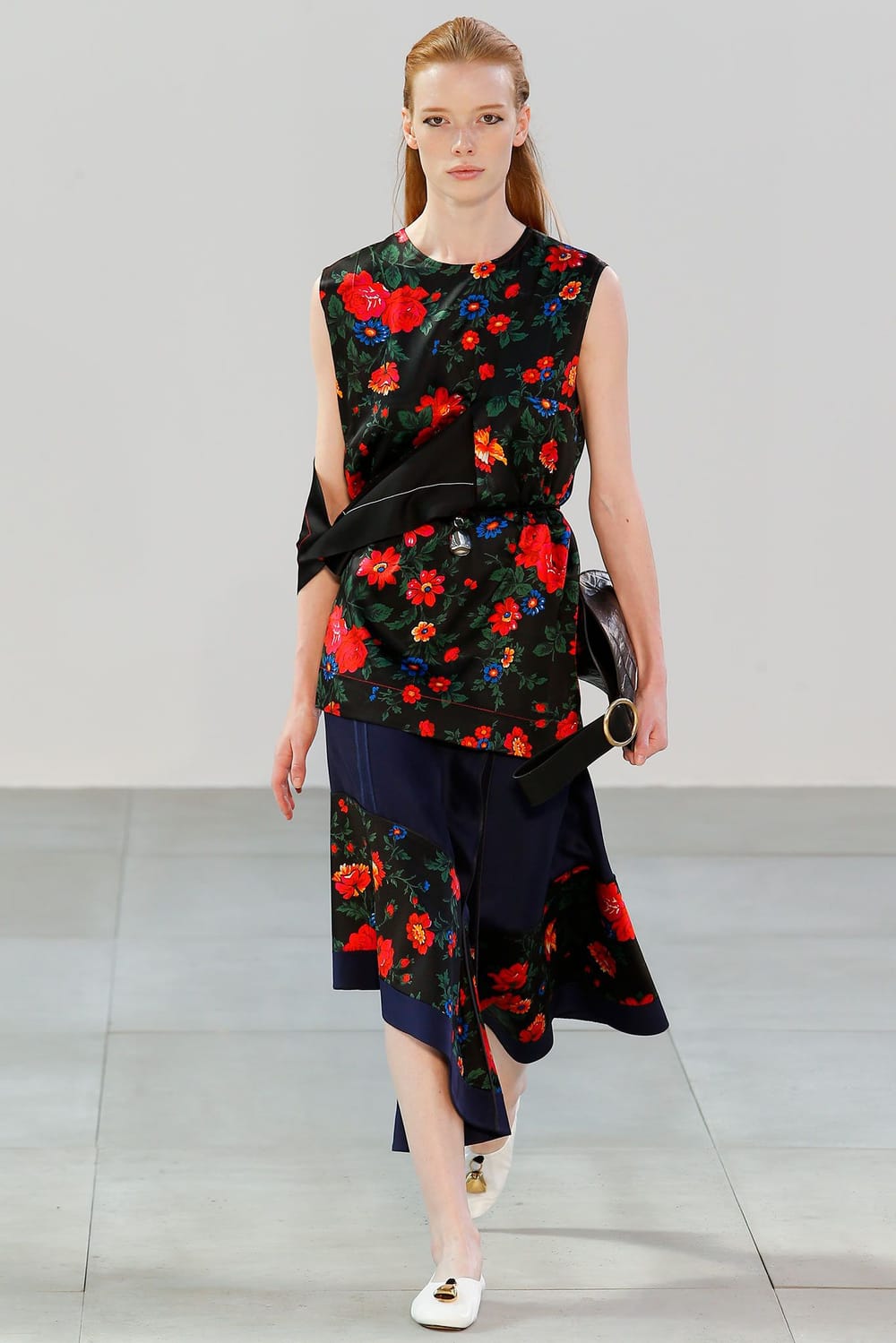
This isn't a coincidence. It's the result of what Philo built at Céline between 2008 and 2017 — not just a commercially successful brand, but a design laboratory that trained an entire generation of creative directors in how to make intellectual fashion feel wearable, profitable, and culturally resonant. The reverence for "Old Céline" has never really been about the clothes alone. It's been about the methodology: a design philosophy rigorous enough to command luxury pricing, accessible enough to build a devoted customer base, and coherent enough to teach.
The roster of Philo's Céline protégés now reads like a roll call of contemporary fashion's most influential creative directors. Natacha Ramsay-Levi went to Chloé. Marie-Amélie Sauvé moved to Chloé after Ramsay-Levi. Vanessa Coyle took over knitwear at Bottega Veneta. Flore Maquin became accessories director at Hermès. Each of these designers carried a version of the Céline methodology with them — the commitment to materiality, the refusal of logo-driven branding, the belief that luxury could be quiet without being boring.
What makes this diaspora structurally different from other designer networks is that it emerged from a brand, not a person's atelier. Karl Lagerfeld trained designers at Chanel, but his influence was autocratic — protégés absorbed his aesthetic, not his process. Philo's team, by contrast, learned a system. They learned how to balance commercial imperatives with creative integrity, how to design for real bodies and real lives, how to build a brand identity that didn't rely on a founder's cult of personality. That's why they've been so consistently hired: they know how to run a house, not just design a collection.
The business case for hiring a Philo alumna is straightforward. Céline under Philo was one of the most profitable brands in LVMH's portfolio, growing from €200 million in revenue in 2008 to an estimated €700 million by 2017. The designers who worked under her understand how to achieve that kind of growth without resorting to logomania, collaborations, or the constant noise that defines so much contemporary luxury. In an industry increasingly skeptical of hype-driven branding — as seen in Rodarte's recent pivot toward craft over spectacle — that knowledge is worth more than a strong Instagram following.
But the Philo diaspora also highlights a structural problem in fashion's talent pipeline. The industry has become so risk-averse that hiring someone with Céline on their résumé has become a shortcut for boards and investors who don't trust their own taste. It's safer to hire someone who worked under Philo than to take a chance on an unknown designer with a strong point of view but no blue-chip pedigree. This is how fashion's creative class becomes increasingly homogenous — not through explicit gatekeeping, but through the economics of perceived safety.
The reverence for Old Céline also functions as a kind of market nostalgia for a business model that no longer exists. Philo's Céline succeeded in an era before Instagram, before the algorithmic flattening of taste, before luxury conglomerates demanded quarterly growth at the expense of long-term brand equity. Her protégés are being hired to recreate that success in a media environment that makes it structurally impossible. The quiet luxury they're known for doesn't photograph well on social media. The intellectual rigor they bring doesn't translate into viral moments. The customer loyalty they cultivate takes years to build in an industry that measures success in real-time engagement metrics.
Drew Henry's appointment is being framed as a continuation of Philo's legacy, but it's also a test of whether that legacy can survive transplantation into a different brand architecture. Every Céline alumna who takes a creative director role faces the same challenge: they're being hired to deliver Philo's results without Philo's conditions. They're expected to build cult followings in a market saturated with options, to create desire without hype, to grow revenue without compromising the brand's intellectual credibility. Some have succeeded — Ramsay-Levi's tenure at Chloé was critically acclaimed even if it didn't move the commercial needle as much as LVMH hoped. Others have struggled to translate the Céline methodology into brands with different DNA, different customer bases, different expectations.
What the Philo diaspora ultimately represents is fashion's ongoing struggle to reconcile creative vision with corporate structure. Philo succeeded at Céline in part because she had unusual autonomy within LVMH — Bernard Arnault reportedly gave her freedom to build the brand slowly, without the pressure to deliver immediate returns. Her protégés rarely get that luxury. They're hired into brands that need turnarounds, that need buzz, that need growth yesterday. The methodology they learned at Céline was built for a different set of constraints.
The irony is that the industry's obsession with hiring Philo's former team may be preventing the emergence of the next Phoebe Philo. By treating Old Céline as a template to be replicated rather than a case study in how to build something new, fashion is optimizing for safety over innovation. The designers who worked under Philo are talented, disciplined, and commercially savvy — but they're not Philo. They learned how to execute her vision, not how to develop their own with the same rigor and conviction.
And yet the diaspora continues to expand, because the industry has decided that the Céline pedigree is the closest thing to a sure bet in an increasingly uncertain market. Drew Henry's appointment won't be the last. As long as brands are looking for designers who can deliver quiet luxury, intellectual credibility, and proven commercial success, they'll keep hiring from Philo's bench. The question isn't whether the Old Céline alumni network will continue to dominate — it's whether any of them will get the conditions they need to build something as influential as what they left behind.