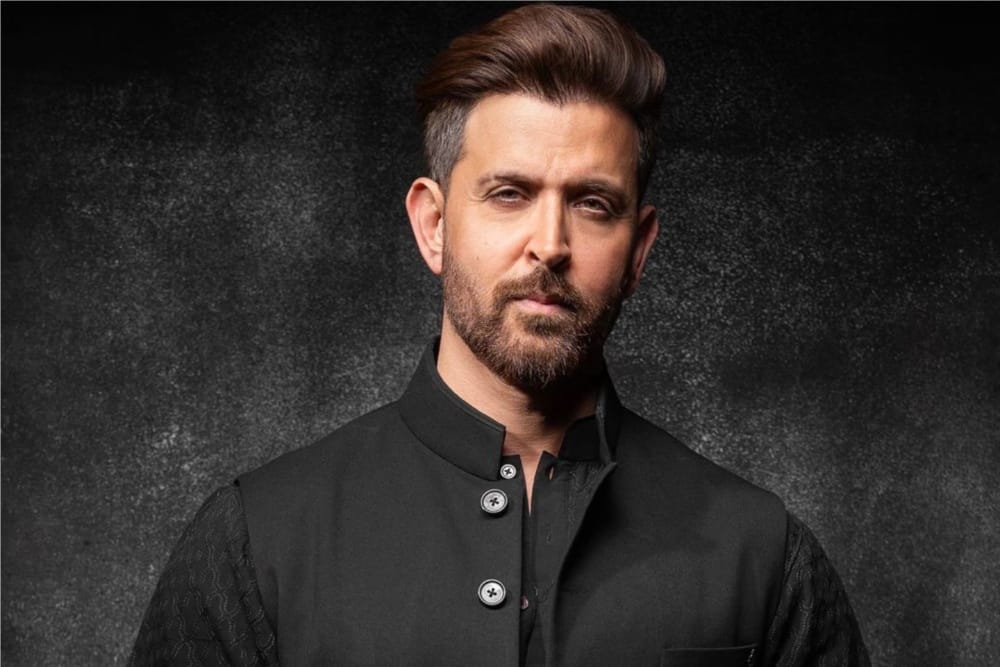
Prime Video India announced 54 new series and films Thursday at its Mumbai showcase, spanning Hindi, Tamil, and Telugu productions — a single-day slate reveal that would have been unthinkable for any streaming platform five years ago. According to Variety, the lineup includes production partnerships with Hrithik Roshan's HRX Films and Alia Bhatt's production banner, alongside a theatrical slate from Amazon MGM Studios India and licensed post-theatrical titles. The sheer volume signals a strategic shift: in markets where Netflix entered first, Amazon is winning by outproducing, not outspending on global IP.
Netflix pioneered streaming in India, but Prime Video understood something more fundamental — regional production infrastructure beats brand recognition. The 54-title announcement isn't just a content drop; it's a demonstration of manufacturing capacity. Hindi, Tamil, and Telugu aren't niche languages — they represent hundreds of millions of viewers whose viewing habits were never going to be satisfied by subtitled American prestige dramas or Bollywood acquisitions alone. Prime Video built partnerships with local production companies, star-led banners, and regional filmmakers who understand what their audiences actually watch. Netflix treated India as an expansion market. Amazon treated it as a production hub.
The Hrithik Roshan and Alia Bhatt partnerships are particularly revealing. These aren't celebrity endorsement deals — they're equity stakes in Amazon's ability to produce at scale. Roshan and Bhatt bring their own production infrastructure, creative teams, and audience loyalty. Amazon gets first-look access to projects that would have gone theatrical or to competing platforms. The stars get global distribution and the backing of a platform with deep pockets. It's the same model legacy brands are using to pivot into media — leverage what you already own (audience, credibility, infrastructure) and let the platform handle what you don't (global reach, marketing spend, algorithmic promotion).
What makes this slate announcement different from the typical streaming reveal is the inclusion of licensed post-theatrical titles alongside original productions. Amazon isn't just producing content — it's building a complete ecosystem that mirrors how Indian audiences actually consume entertainment. Theatrical releases still dominate in India. Families go to theaters. Post-theatrical windows matter. By licensing films after their theatrical runs, Prime Video positions itself as the natural second window, not a replacement for cinemas. Netflix tried to disrupt theatrical distribution in India and faced resistance from exhibitors, distributors, and audiences who weren't ready to abandon the theater experience. Amazon is working with the existing infrastructure instead of against it.
The scale of regional production also solves a problem other platforms are still struggling with: how do you compete in markets where American IP has limited cultural currency? Stranger Things and The Crown work globally, but they don't drive subscriptions in markets where local-language content dominates viewing hours. Prime Video's 54-title slate is a bet that volume in the right languages with the right talent will outperform a handful of expensive global franchises. It's the inverse of the Hollywood blockbuster model — instead of one $200 million tentpole, produce 54 mid-budget projects that collectively serve more audience segments.
This strategy also explains why Amazon MGM Studios India has a theatrical slate. The studio arm isn't just feeding content to Prime Video — it's building relationships with exhibitors, distributors, and audiences who still see theatrical releases as the gold standard. When those films eventually land on Prime Video, they arrive with built-in cultural credibility and word-of-mouth momentum. Netflix's strategy of bypassing theaters entirely worked in the U.S., where streaming had already normalized as a primary viewing platform. In India, theaters still signal prestige. Amazon is using them as a marketing channel, not competing with them.
The timing of this announcement matters, too. Prime Video isn't playing catch-up anymore — it's setting the pace. Netflix spent years trying to crack India with high-profile acquisitions and a few original series. Amazon spent that same time building production partnerships, investing in regional talent, and figuring out what Indian audiences actually wanted. The 54-title slate is the culmination of that infrastructure build. It's not a one-time content dump — it's proof that Amazon has the production capacity to sustain this level of output year after year.
What Prime Video India just demonstrated is that in competitive streaming markets, the platform with the deepest local production infrastructure wins — not the one that arrived first. Netflix's first-mover advantage in India never translated to market dominance because the company treated content as a product to distribute, not a system to build. Amazon built the system. The 54 titles are just what that system can produce in a single cycle. The real question now is whether Netflix can build comparable regional production infrastructure fast enough to compete, or whether co-production partnerships become the only viable path forward for platforms that missed the infrastructure window.